Spaces / 01
Before choosing a retail designer, describe what must happen in the space. A beautiful portfolio cannot tell you whether the proposal includes the stockroom, lighting specification or installation supervision.
Read the guide ↗Work / 02
A backdrop has to work from the back of a room and in a photograph. Start with the viewing conditions, then decide how much information belongs on it.
Read the guide ↗Everyday / 03
Tent quotations differ because the quoted objects differ. Compare a usable event setup, including access, flooring and responsibilities, rather than a fabric roof alone.
Read the guide ↗Work / 04
The success test for an office move is whether people can do essential work afterwards. Build the move around dependencies, not a stack of labelled boxes.
Read the guide ↗Everyday / 05
A useful cutting board fits your worktop, stays stable and suits the way you clean. Material labels alone do not settle the choice.
Read the guide ↗Everyday / 06
An event plan is more useful when it describes what guests and staff will actually do. A schedule of speeches is only one part of that journey.
Read the guide ↗Everyday / 07
Care starts with the label on the actual garment. A generic cashmere tip cannot override its construction, trims or manufacturer’s instructions.
Read the guide ↗Spaces / 08
A hanger should support the shape of what hangs on it. Uniform hangers can look orderly while still stretching a knit or marking delicate fabric.
Read the guide ↗Spaces / 09
A room palette becomes easier to use when it starts with the fixed elements: flooring, large furniture and the light that actually enters the room.
Read the guide ↗Spaces / 10
The right question is not simply the price per sofa. The cleaner needs to identify the fabric, construction and care restrictions before proposing a method.
Read the guide ↗Work / 11
An IT plan should explain the change people will receive, how it will be accepted and who will operate it. A list of technologies does not answer those questions.
Read the guide ↗Work / 12
Choose a graphics card for a workload, display and computer you already understand. A model name or a single benchmark score cannot establish compatibility or value.
Read the guide ↗Spaces / 13
Window style affects movement, cleaning and the use of nearby space. Start with the room and local requirements before choosing a shape from a catalogue.
Read the guide ↗Spaces / 14
A textured wall finish depends on the substrate, product and application system. Start with compatibility and a sample, not a social-media photograph.
Read the guide ↗Work / 15
A vehicle wrap is a moving sign with seams, doors and curved panels. Plan the information around those constraints instead of enlarging a business card.
Read the guide ↗Spaces / 16
An awning proposal should describe useful shade and everyday operation. A nominal width alone says little about either.
Read the guide ↗Work / 17
Every form field asks for attention and sometimes personal information. Collect only what the organiser needs to deliver the event, and explain the next step.
Read the guide ↗Everyday / 18
A candle is a fragrance, a container and an open flame. Choose it with the intended room, household and manufacturer’s safety instructions in mind.
Read the guide ↗Spaces / 19
A kitchen project becomes easier to compare when daily tasks and boundaries are explicit. Cabinet colour is a decision; so are access, disruption and responsibility.
Read the guide ↗Work / 20
A useful website makes an intended action understandable and possible. Visual polish matters, but it should support a visitor’s next step.
Read the guide ↗Everyday / 21
An appliance must fit the installation space, the delivery route and the way it will be used. Compare the complete purchase before ordering.
Read the guide ↗Work / 22
A development brief should turn a business request into agreed pages, behaviour and acceptance checks. It is a shared record, not a sales slogan.
Read the guide ↗Everyday / 23
A dress budget includes more than the garment price. Time, alterations, accessories and the conditions of the order all affect the decision.
Read the guide ↗Everyday / 24
A clear listing makes the vehicle and the evidence easy to inspect. It should describe known condition honestly and avoid unsupported guarantees.
Read the guide ↗Work / 25
A small commissioned object still needs a clear specification. Give the maker a shared reference for appearance, scale and approval before production starts.
Read the guide ↗Work / 26
A useful handover explains the present state, the next action and the person responsible. It should let a colleague continue without reconstructing a whole chat history.
Read the guide ↗Everyday / 27
A hobby does not have to become another ambitious project plan. Start with a session small enough to prepare, do and put away in the time you actually have.
Read the guide ↗Work / 28
Product photographs should help someone understand the actual object. Start with the questions the pictures must answer, then plan consistent views.
Read the guide ↗Work / 29
Before choosing a course, identify the skill you want to use and the evidence that the course actually gives you a chance to practise it.
Read the guide ↗Everyday / 30
An artificial arrangement is an object with dimensions, materials and handling requirements. Compare it in the setting where it will be used, not only in a supplier’s close-up picture.
Read the guide ↗Work / 31
A mobile app brief becomes useful when it explains the user task, the states between screens and what happens when something goes wrong.
Read the guide ↗Music / 32
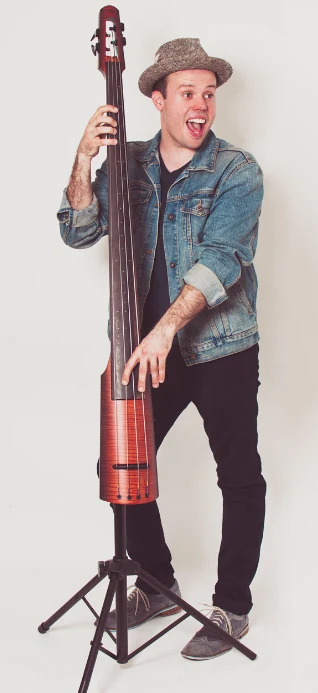
Two instruments can make several musical jobs audible at once. Use this listening route to follow the exchanges between violin and bass, rather than treating the bass as background.
Read the guide ↗Music / 33
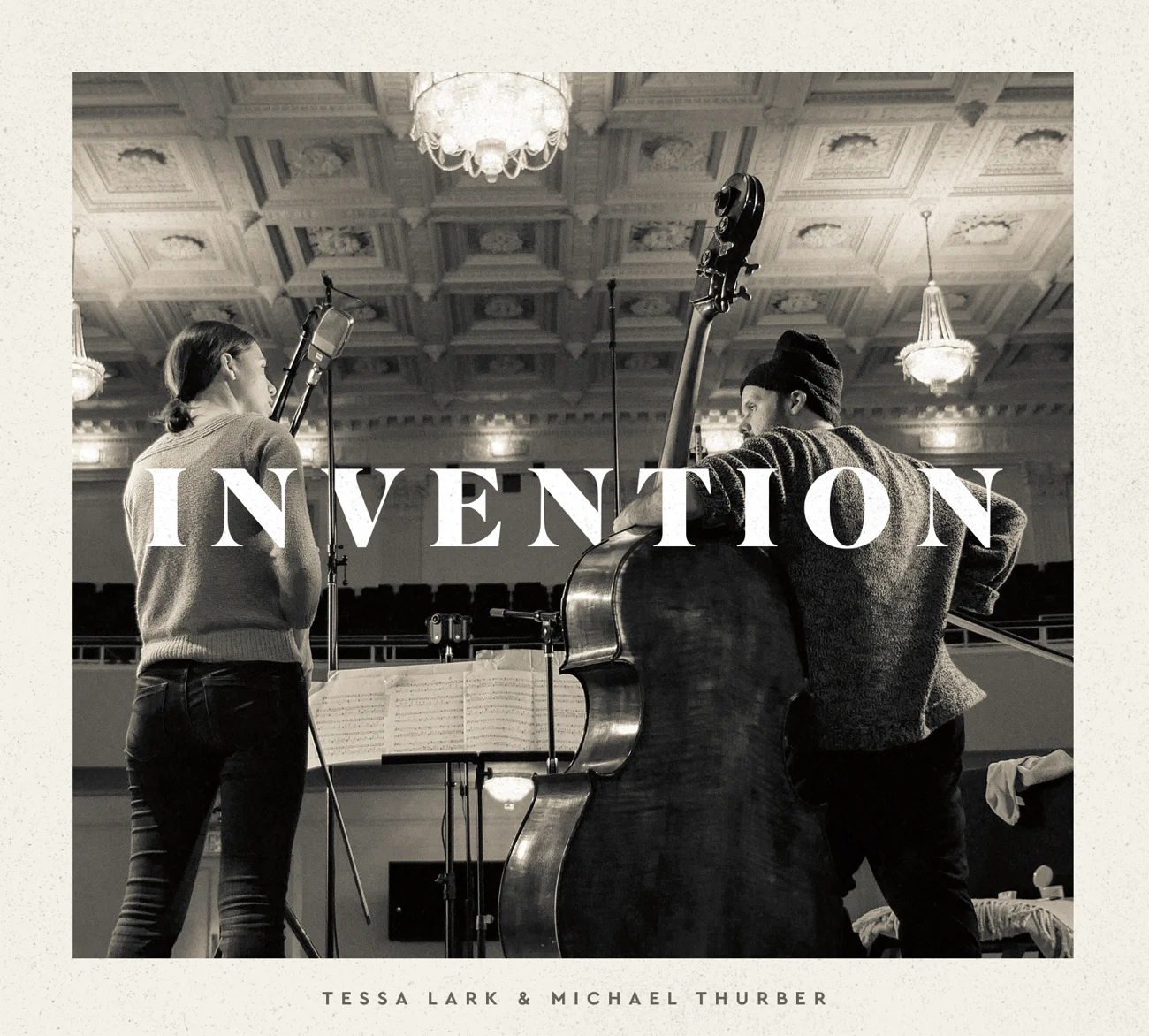
Invention is a useful doorway into the Lark and Thurber collaboration. Bring a pencil, a short stretch of uninterrupted time and a willingness to listen more than once.
Read the guide ↗Music / 34
A concert broadcast lets you move between performance and conversation. Treat the programme details as a map and your own notes as observations, not a substitute for those credits.
Read the guide ↗Music / 35
A short film can change pace through sound before you consciously notice a cut. This exercise helps you describe that relationship without needing production software.
Read the guide ↗Music / 36
The lowest line can anchor a piece, move it forward or become the melody. You do not need to name every note to follow those roles.
Read the guide ↗Music / 37
A recording brief keeps a creative goal from turning into a vague equipment discussion. It tells collaborators what the session needs to produce and what remains open.
Read the guide ↗Music / 38
A useful notebook preserves the conditions of an idea, not just the idea itself. It helps you pick up a fragment later without pretending every fragment is a finished song.
Read the guide ↗Music / 39
A season announcement, a concert date and a recording release describe different things. Reading the credit precisely is more useful than compressing them all into a claim that an artist “did the music”.
Read the guide ↗Music / 40
Music, words, orchestration and musical direction are different jobs. A dated programme helps you see how a production is put together without reducing the whole collaboration to one name.
Read the guide ↗Music / 41
A theatre score can help an audience feel a change of place, pace or relationship. Build a listening notebook that records what you notice while keeping production facts separate.
Read the guide ↗Spaces / 42
A phased handover plan for the people, files and equipment that still need a place to work.
Read the guide ↗Everyday / 43
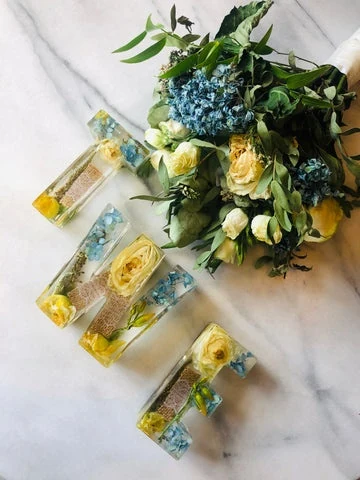
Choose a flat pressed specimen or a three-dimensional dried arrangement, then keep a simple condition record.
Read the guide ↗Work / 44
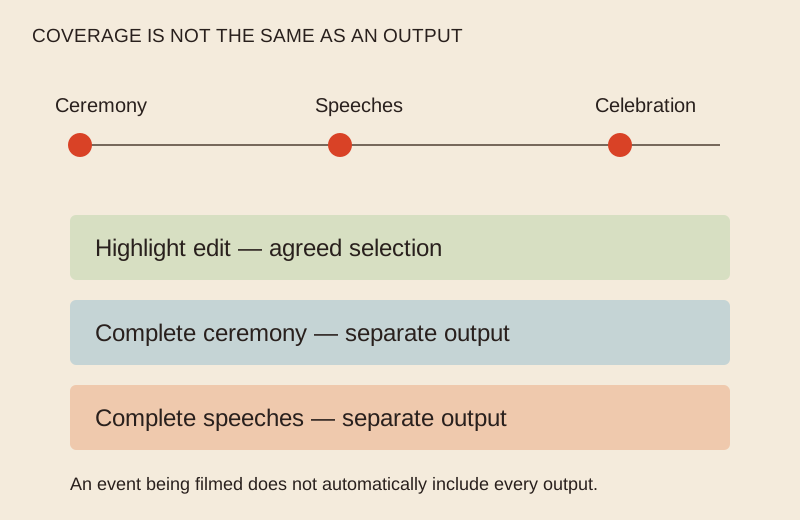
Translate the moments you care about into coverage, deliverables and an approval route before comparing proposals.
Read the guide ↗Work / 45
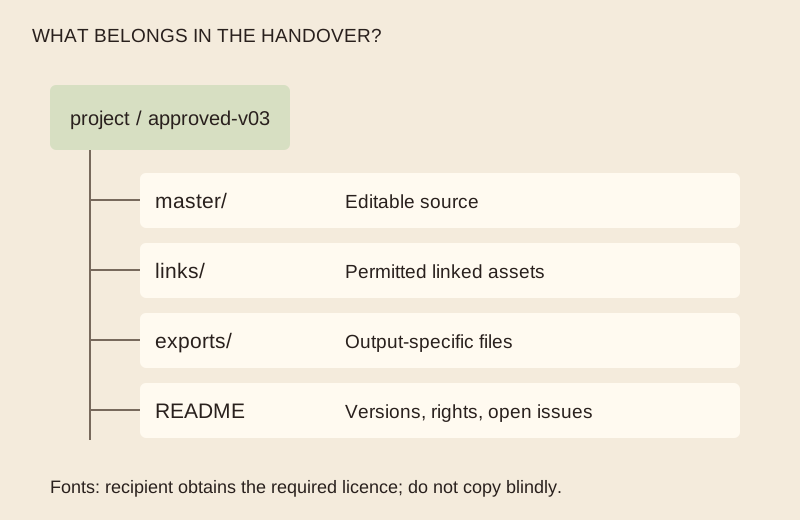
A finished-looking image is only one deliverable. Plan the editable files, exports, dependencies and rights as well.
Read the guide ↗Work / 46
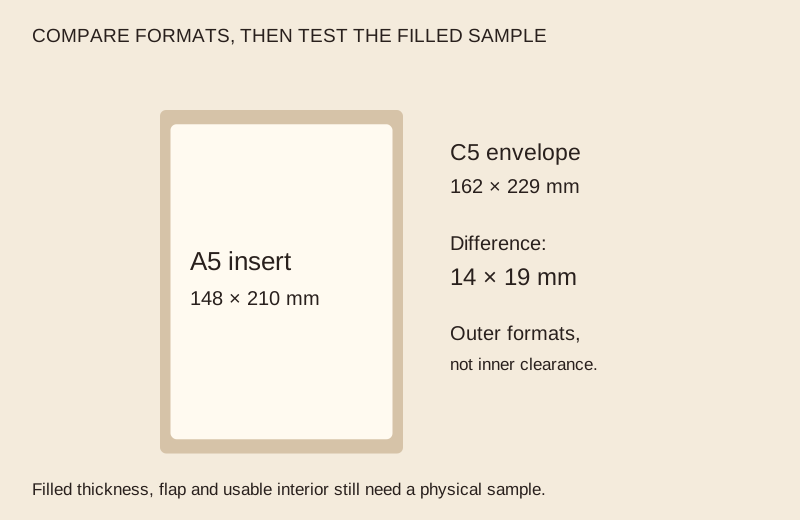
Test the insert, closing method and address area before approving a full print run.
Read the guide ↗Spaces / 47
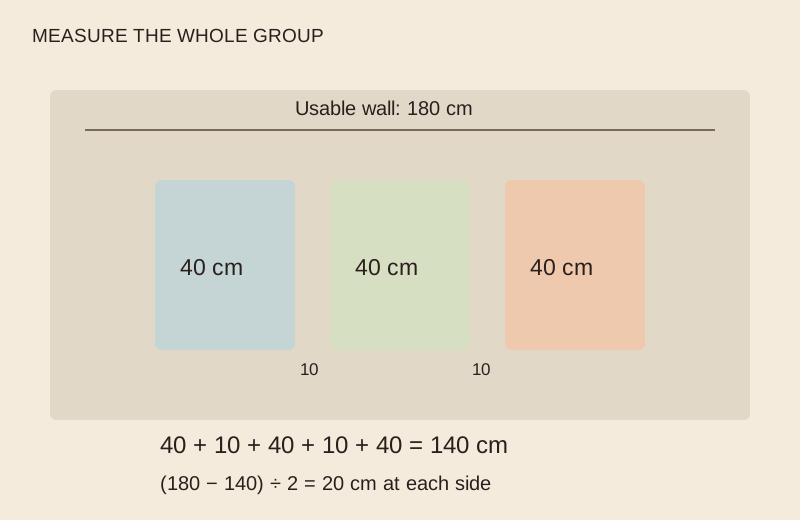
Use the outer frame dimensions and a paper mock-up to find a grouping that belongs on your wall.
Read the guide ↗Work / 48
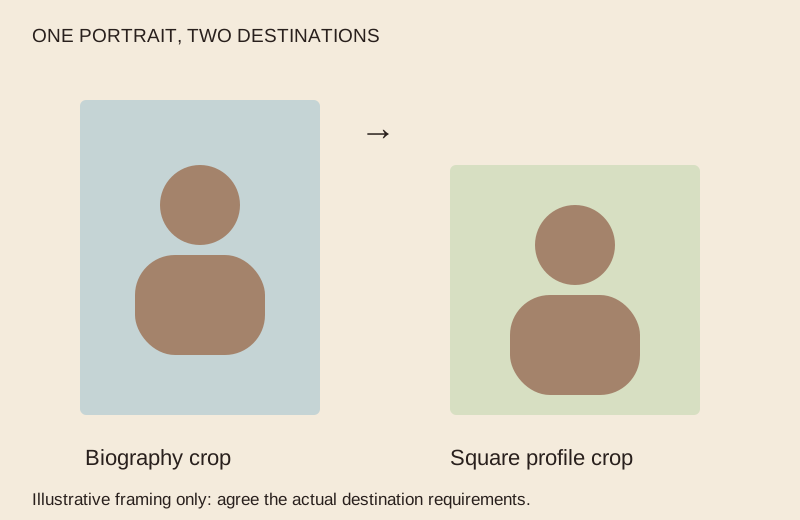
Agree the purpose, crop, selection and permissions without promising an audition or career result.
Read the guide ↗Everyday / 49
Keep the setup consistent so your notes describe what you observed, rather than an elaborate collection of accessories.
Read the guide ↗Work / 50
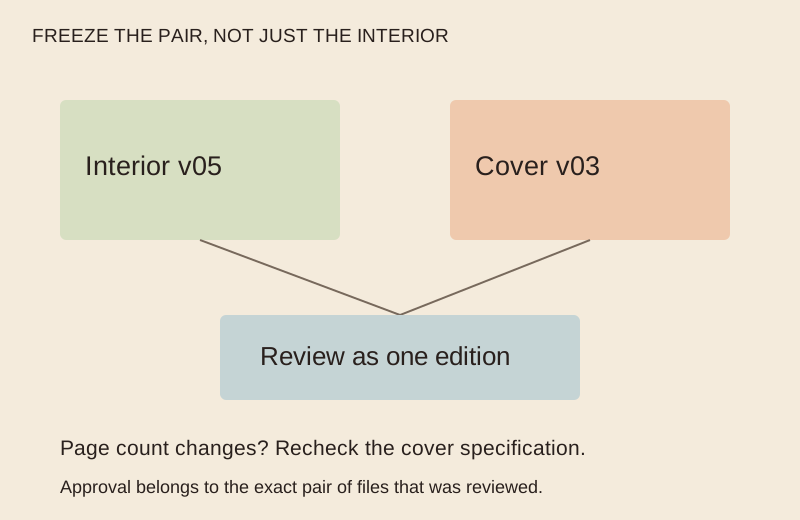
Separate writing, production and release so a finished file does not become an unreviewed book.
Read the guide ↗Work / 51
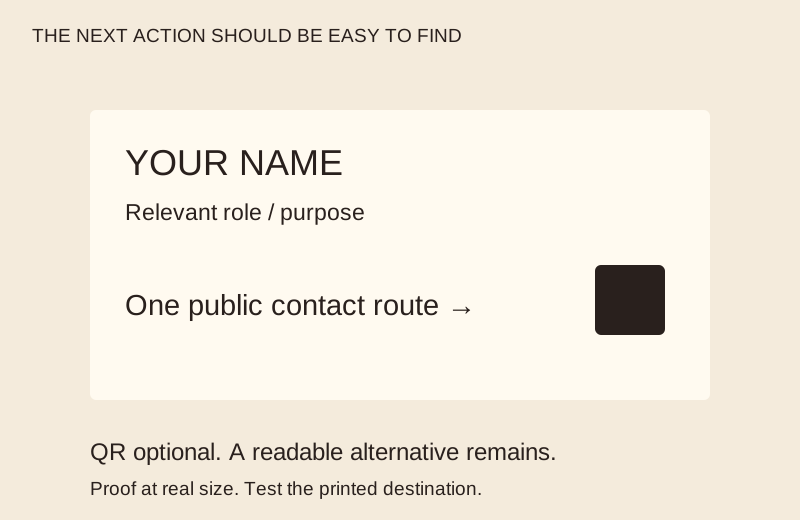
Use a readable contact route and a tested print proof instead of trying to fit an entire website on a card.
Read the guide ↗Work / 52
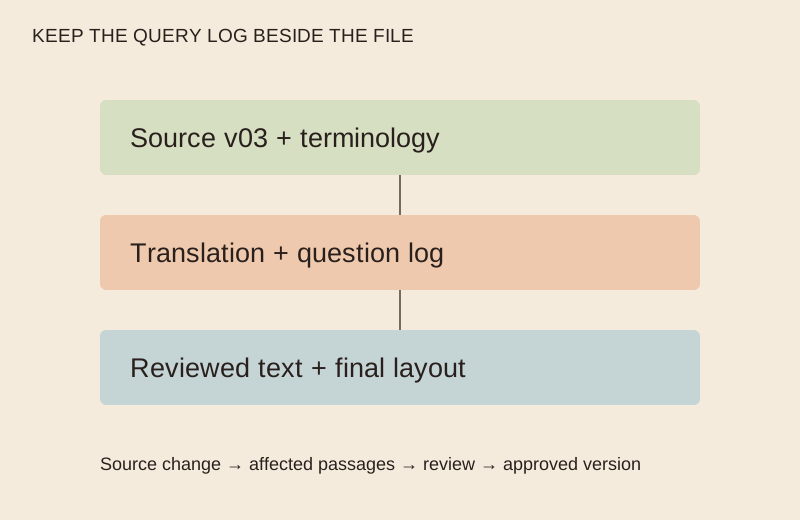
Give the translator context, terminology and a review route, then check the final layout as well as the words.
Read the guide ↗Work / 53
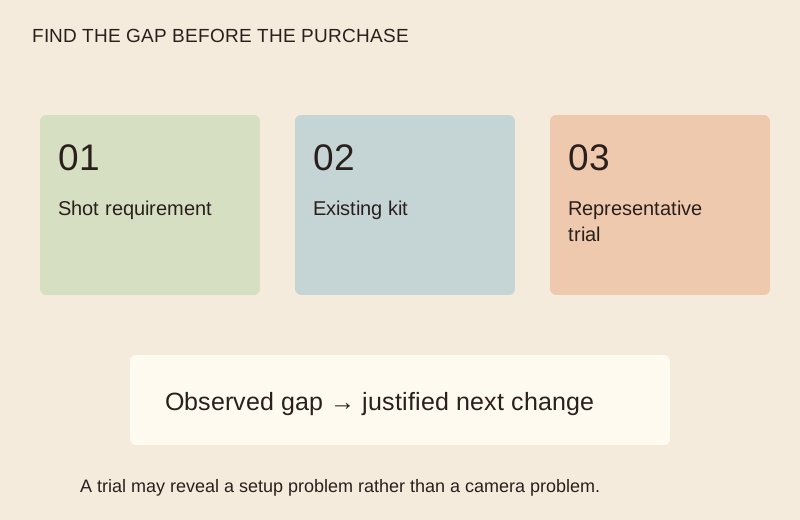
Start with a shot requirement and a file handover, then identify the equipment gap you actually need to solve.
Read the guide ↗Spaces / 54
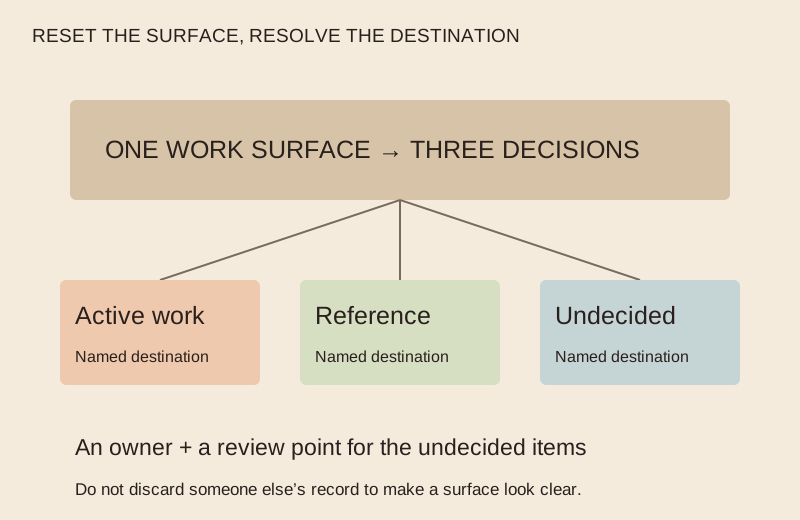
Give active work, reference material and undecided items different destinations, with an owner and a review point.
Read the guide ↗Spaces / 55
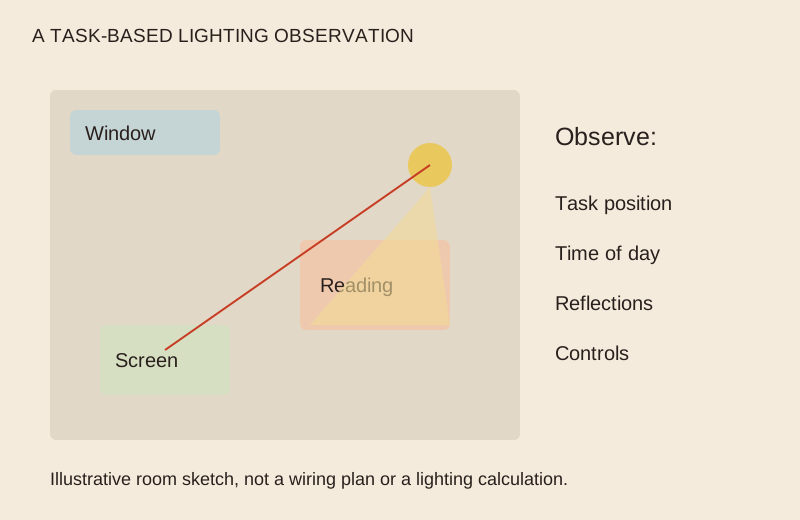
Record where light helps, where it creates a reflection and what changes between daytime and evening.
Read the guide ↗Spaces / 56
Make a simple map of views, access and site conditions before choosing a seasonal change.
Read the guide ↗Work / 57
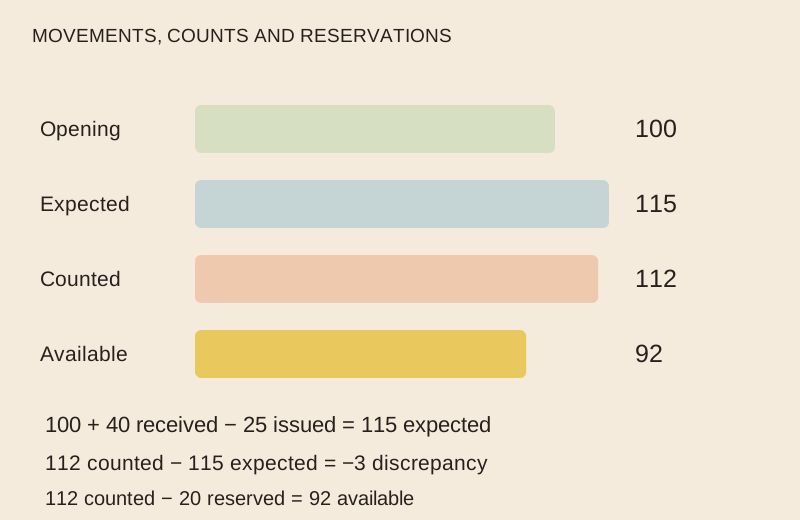
Separate physical stock, reserved items and a counted discrepancy before deciding what to reorder.
Read the guide ↗Spaces / 58
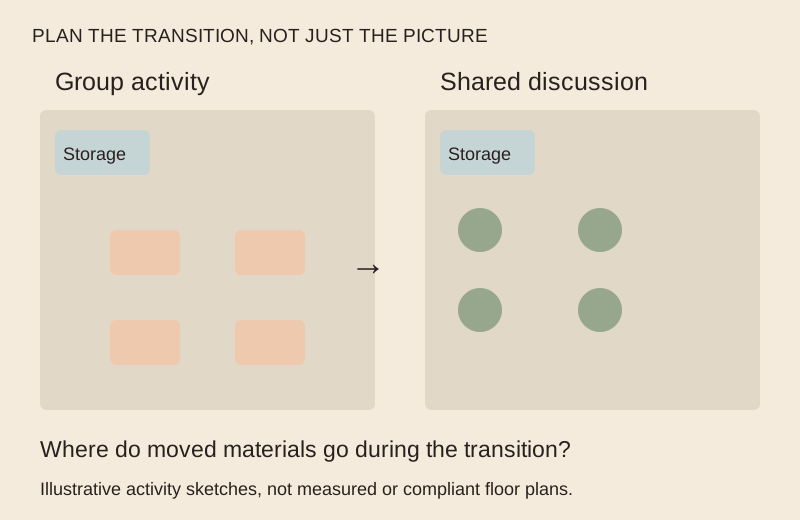
Compare layouts by what teachers and learners need to do, including transitions, storage and access.
Read the guide ↗Work / 59
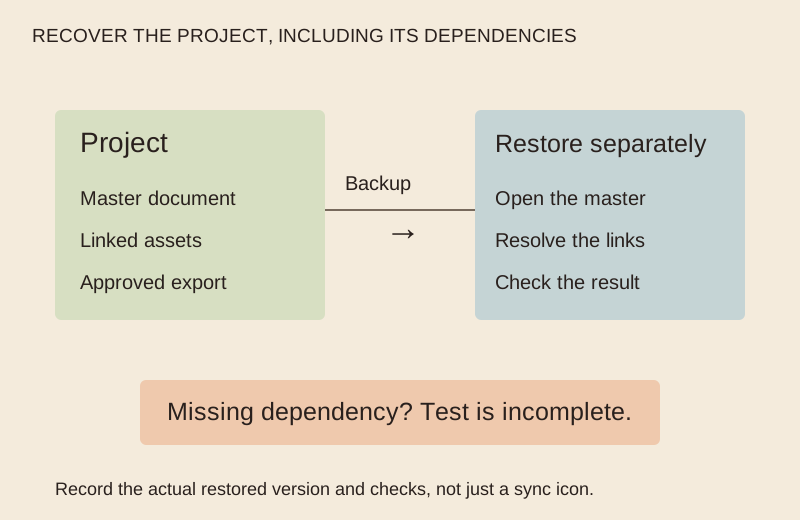
A useful backup plan names the files, recovery point and a safe restore check; a sync icon alone is not the test.
Read the guide ↗Music / 60
A Public Theater interview offers a concrete way to distinguish a composer’s choice, a performer’s contribution and an audience intention.
Read the guide ↗Music / 61
Read the 18 March 2021 premiere programme, then use a cue sheet to follow the relationship between spoken drama and music.
Read the guide ↗Work / 62
Check the product, inner clearance, packing sequence and opening experience with one complete sample.
Read the guide ↗Work / 63
Separate reading order, printer imposition and the physical folded proof so a small booklet is easy to check.
Read the guide ↗Work / 64
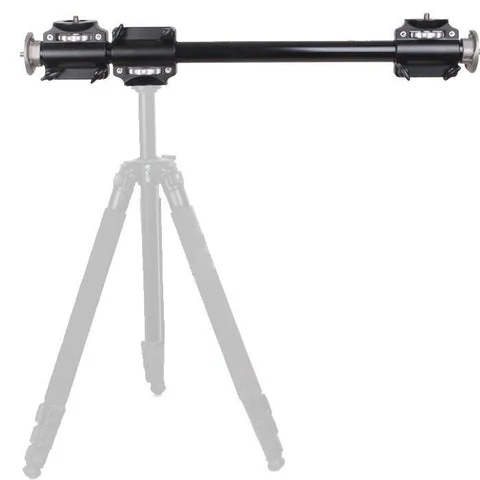
Compare the camera, head, plate, support and working footprint before relying on a tripod or monopod.
Read the guide ↗Work / 65
Agree the spaces, viewpoints, permissions and final files before the photographer arrives.
Read the guide ↗Everyday / 66
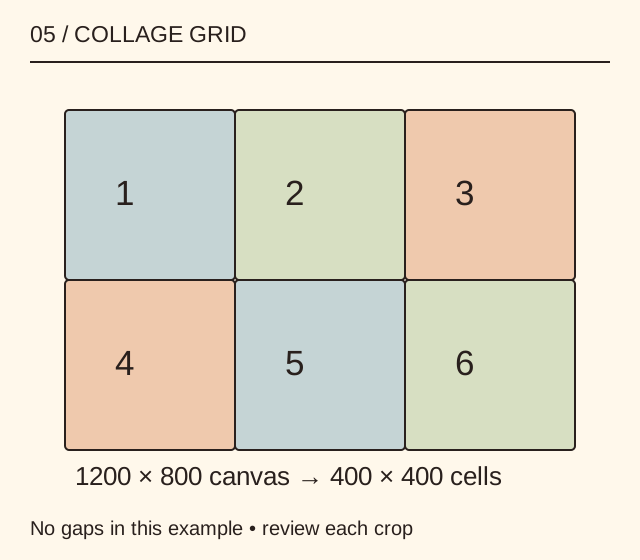
Plan the destination, image permissions and grid before opening a collage editor.
Read the guide ↗Work / 67
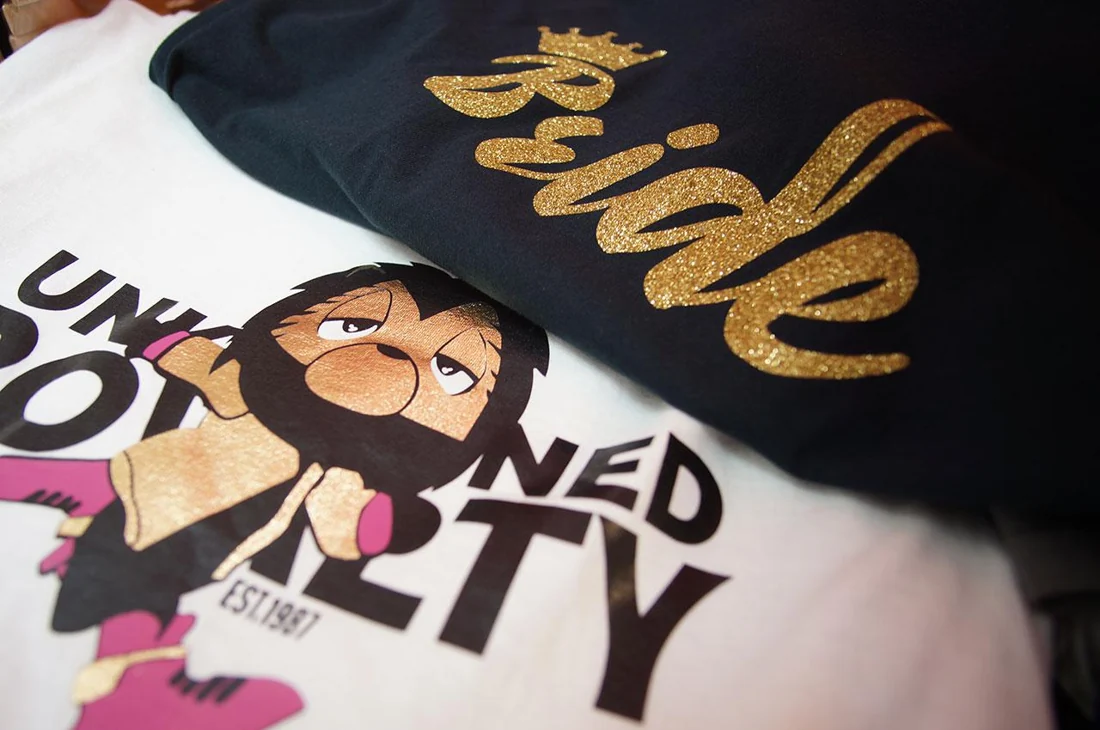
Keep the garment, artwork, position and quantity linked so the order describes one reproducible result.
Read the guide ↗Everyday / 68
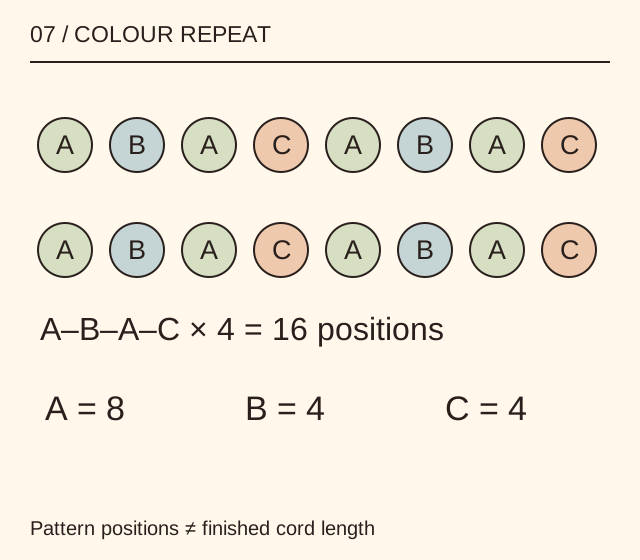
Use names, sample lengths and a pattern record so a small decorative cord project can be repeated.
Read the guide ↗Work / 69
Describe the view, transmitted light, privacy and pattern at the actual location before approving a decorative glass design.
Read the guide ↗Spaces / 70
Map sources, devices, listening positions and required controls before discussing installation.
Read the guide ↗Everyday / 71
Separate what you can see, what the label establishes and what you think it might mean.
Read the guide ↗Spaces / 72
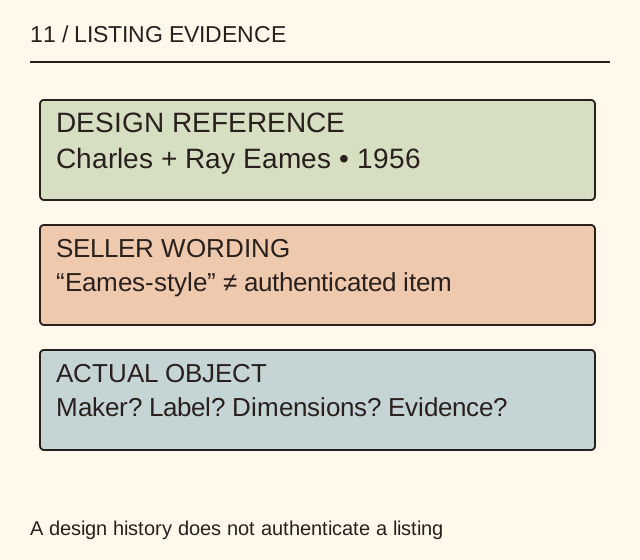
Keep the named design, actual manufacturer, dimensions and evidence in separate fields.
Read the guide ↗Spaces / 73
Check usable compartments, openings and the space needed to operate the furniture.
Read the guide ↗Spaces / 74
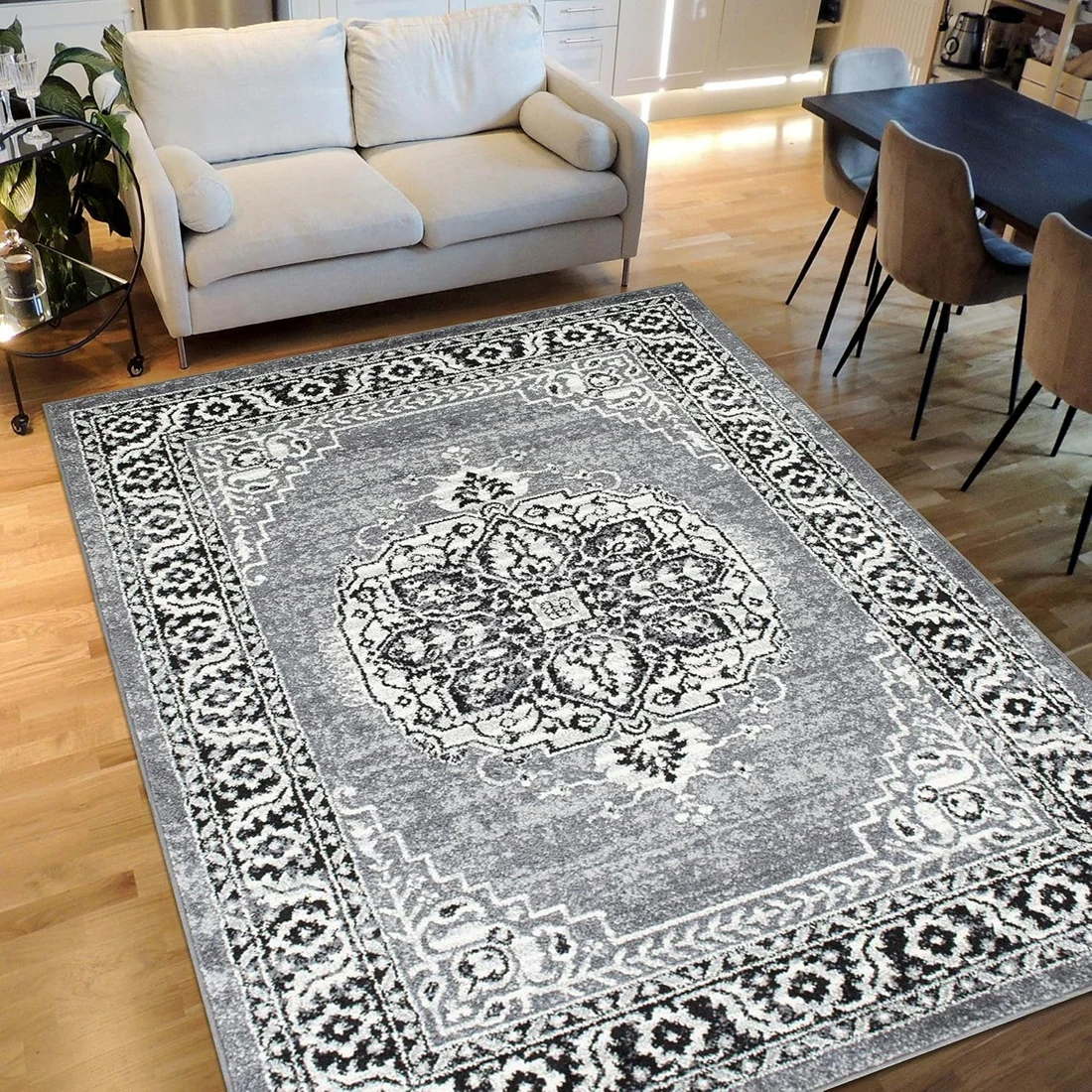
Compare the rug footprint with chairs, doors and the routes you actually use.
Read the guide ↗Spaces / 75
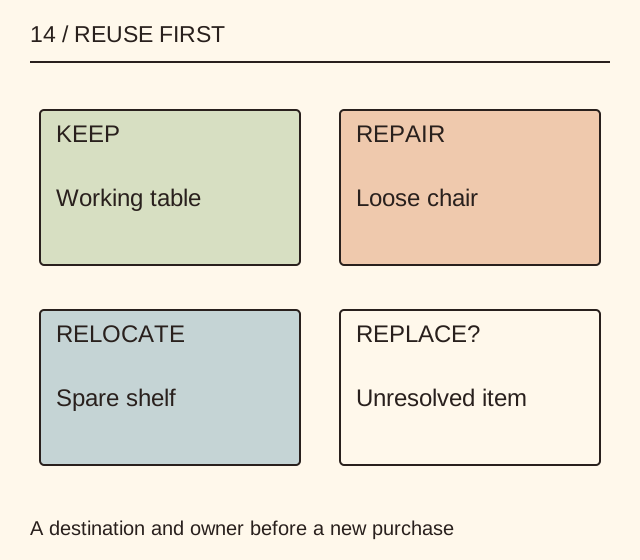
Make the keep, repair, relocate and replace decisions visible before ordering more furniture.
Read the guide ↗Everyday / 76
Confirm the recipient, time window, substitution choices and handover conditions with the actual florist.
Read the guide ↗Everyday / 77
Count recipients, packs, labels and distribution separately so a small gift does not become a last-minute packing problem.
Read the guide ↗Everyday / 78
Build the invitation, seating, serving sequence and borrowed-item return into one manageable plan.
Read the guide ↗Work / 79
Link the delivery count, setup location, collection window and final return so hired pieces remain traceable.
Read the guide ↗Everyday / 80
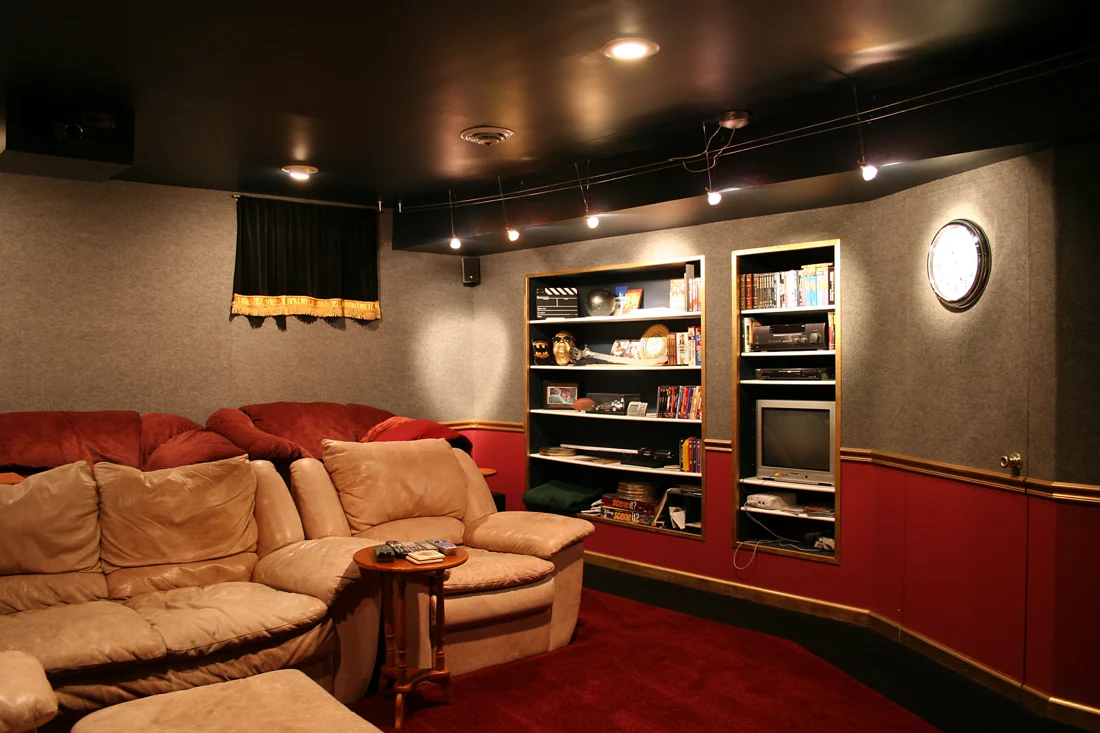
Make the carrying plan and safe food arrangements before choosing decorative extras.
Read the guide ↗Spaces / 81
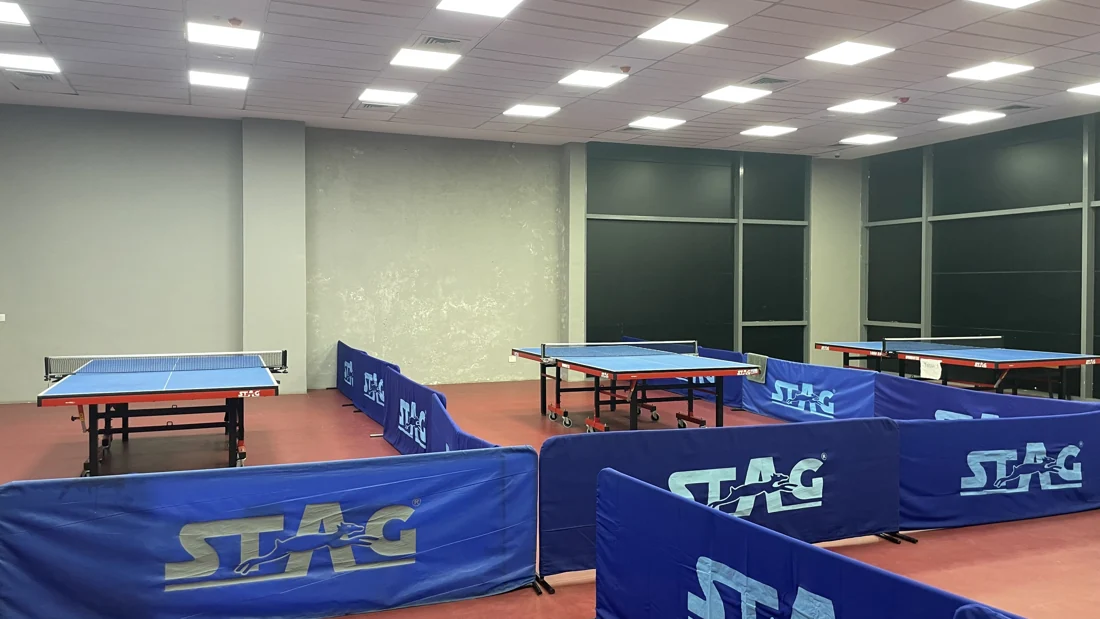
A playing-surface measurement is only one part of deciding whether a table fits the space.
Read the guide ↗Everyday / 82
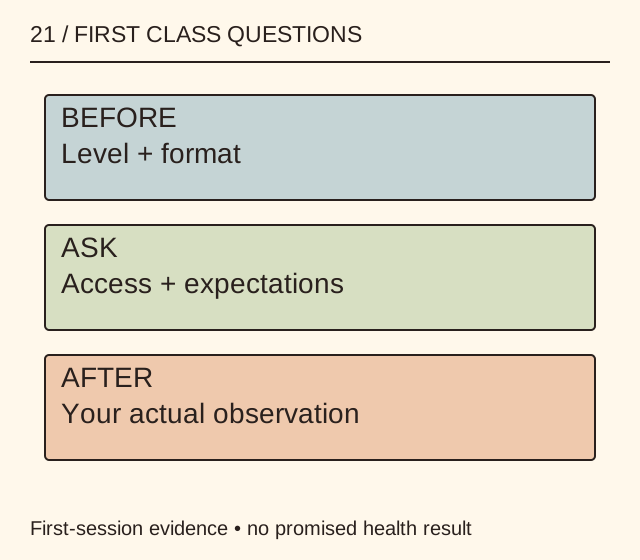
Ask about level, format, access and expectations, then record a real first-session observation.
Read the guide ↗Everyday / 83
Choose a small model project and a repeatable record before buying a large collection of supplies.
Read the guide ↗Work / 84
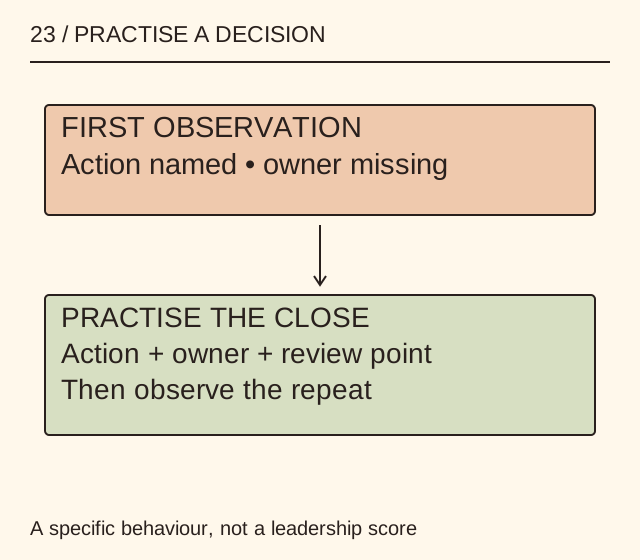
Choose one action, a short scenario and an evidence-based debrief instead of promising a complete leadership transformation.
Read the guide ↗Work / 85
Ask which language and access arrangements participants need, then plan the interpreter’s information and sightlines.
Read the guide ↗Work / 86
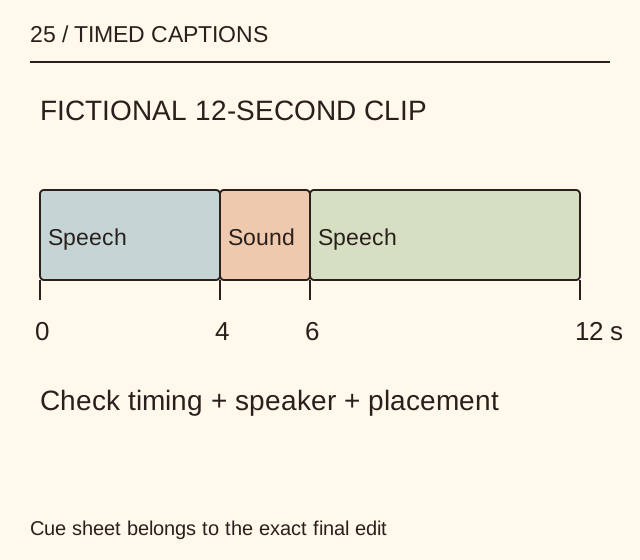
Connect the spoken message, meaningful sounds and visual content before approving a captioned edit.
Read the guide ↗Work / 87
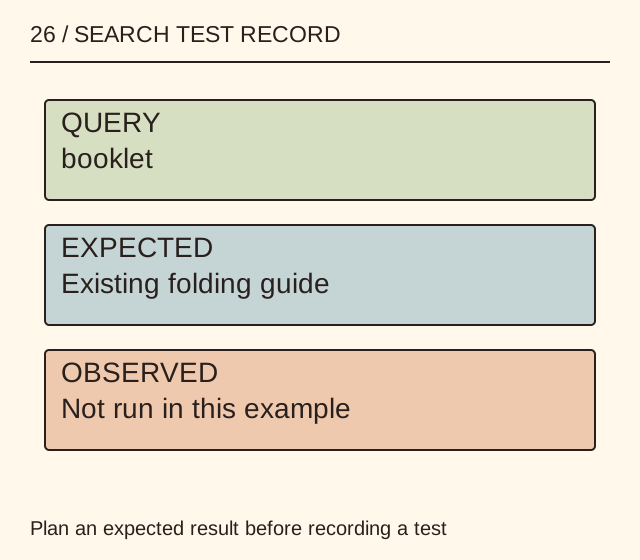
Turn a search complaint into a repeatable check of the page a visitor is trying to find.
Read the guide ↗Work / 88
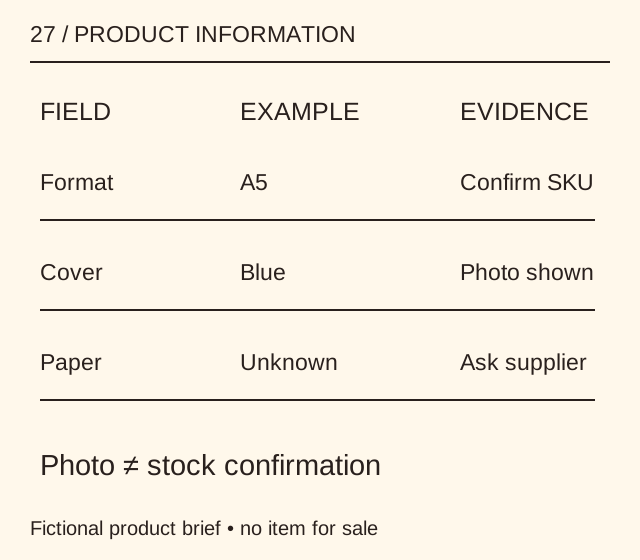
Separate facts about the product, the chosen variant and the transaction before commissioning a page.
Read the guide ↗Work / 89
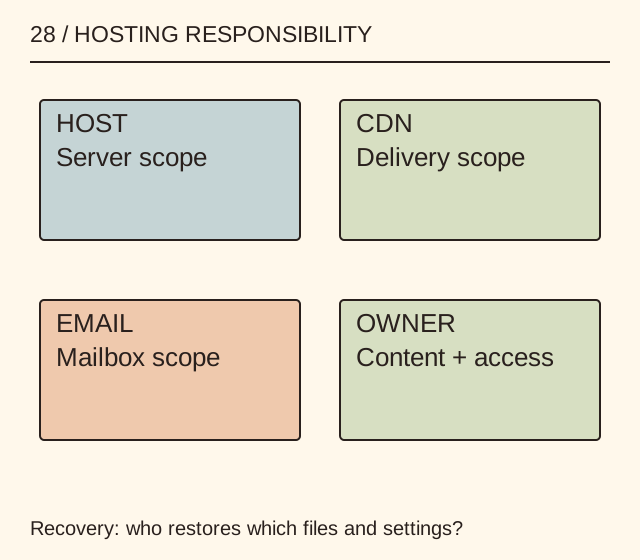
Ask who handles each operational task and how the site can leave before comparing a headline monthly price.
Read the guide ↗Work / 90
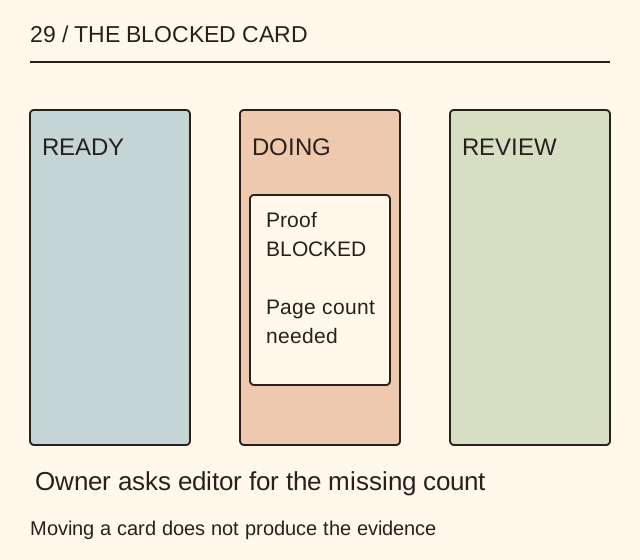
Give each card an owner, a finish condition and an explicit blocker instead of adding another vague status column.
Read the guide ↗Everyday / 91
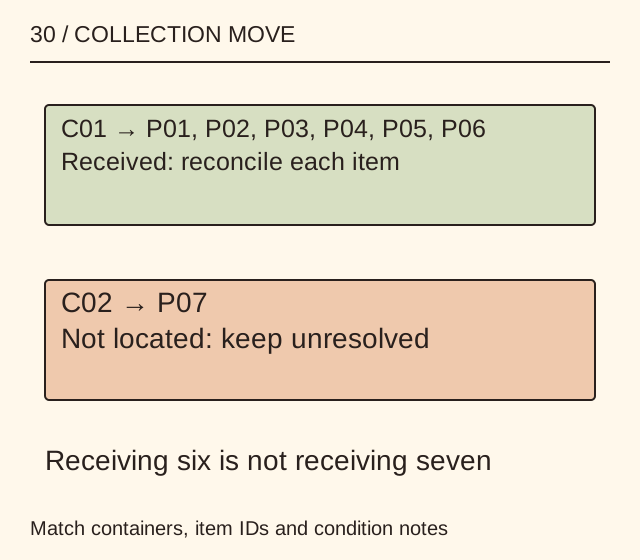
Keep identity, packing location and receipt checks connected so missing context does not travel in separate notebooks.
Read the guide ↗Everyday / 92
Write the actual amounts and method beside your observation before deciding what to change in the next cup.
Read the guide ↗Everyday / 93
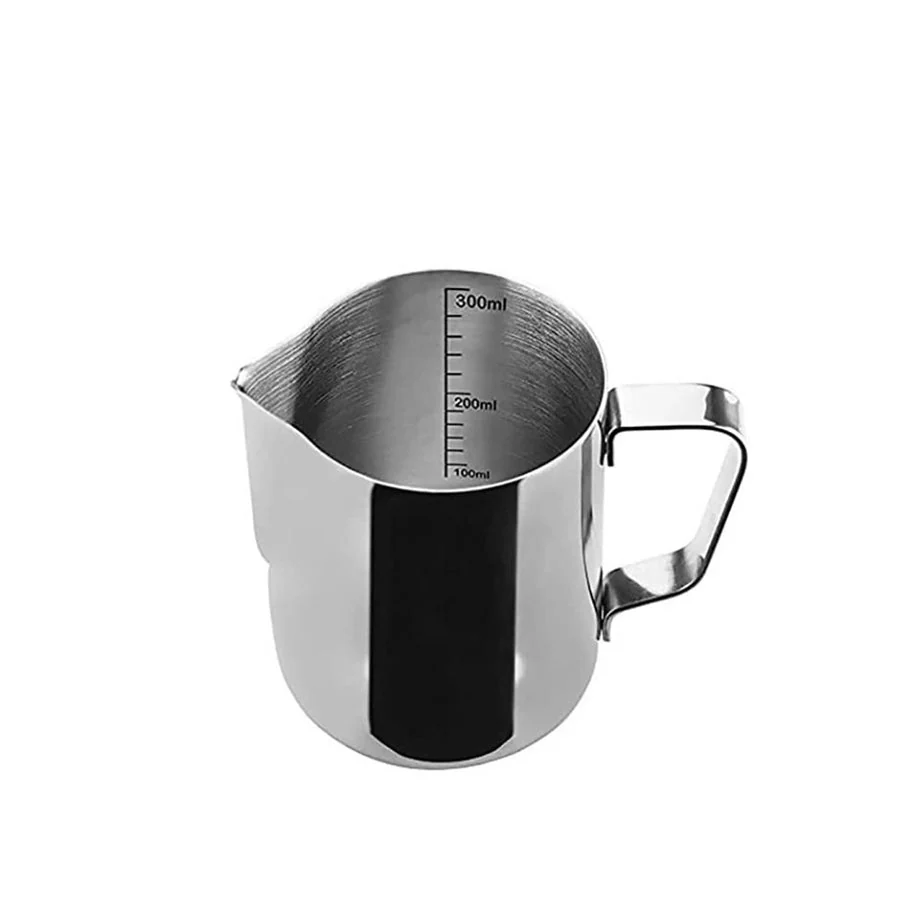
Keep nominal capacity, usable fill instructions and physical fit as separate product questions.
Read the guide ↗Spaces / 94
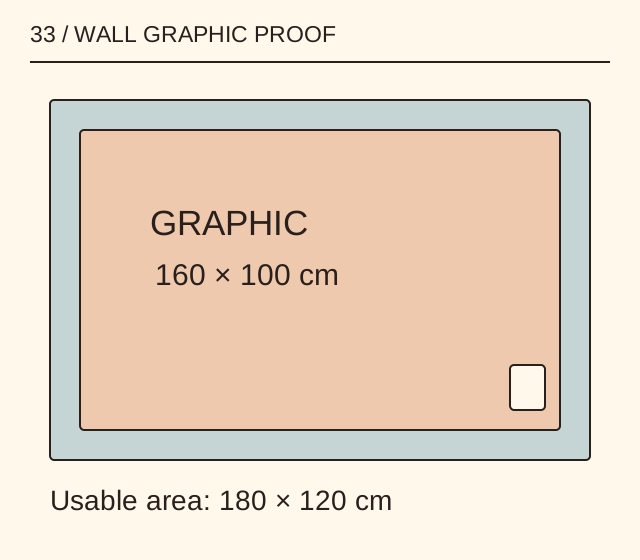
Make the wall, sample and final crop part of the brief before approving a large print.
Read the guide ↗Everyday / 95
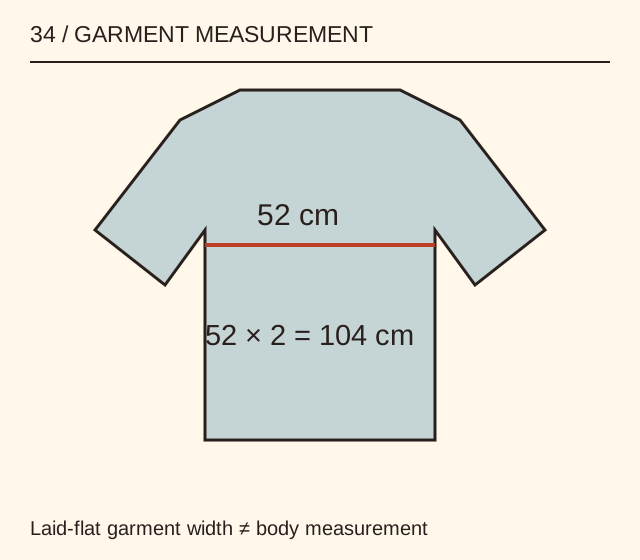
Use the same measuring points as the seller and keep body measurements separate from garment dimensions.
Read the guide ↗Work / 96
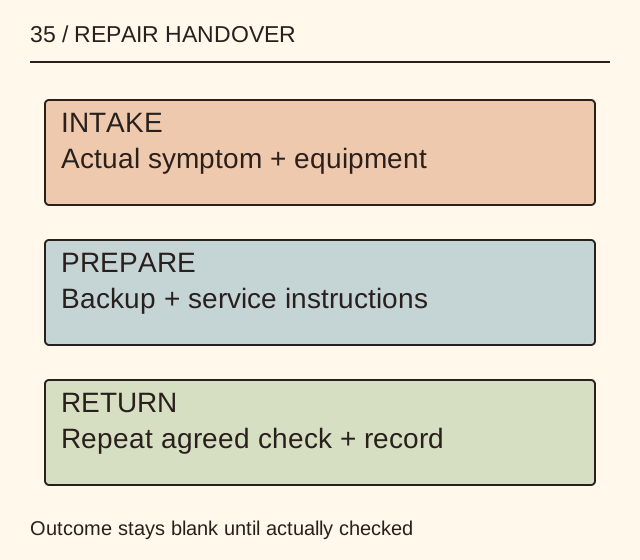
Give the repairer a reproducible problem and agree the data and equipment handover without sharing unnecessary secrets.
Read the guide ↗Work / 97
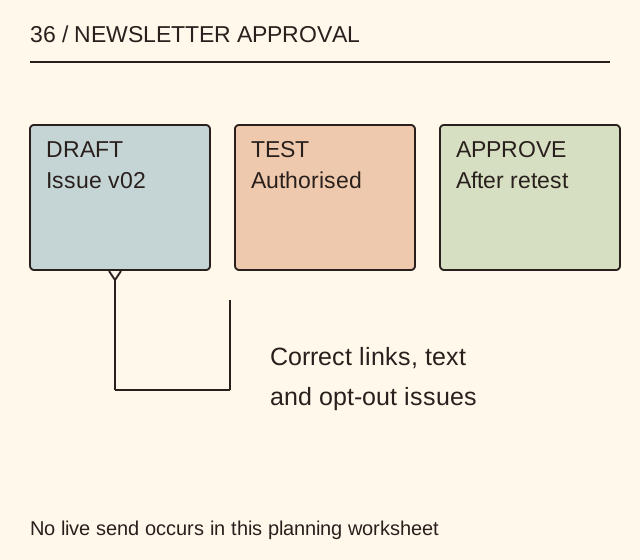
Check the message, permission route and working opt-out before an issue reaches real subscribers.
Read the guide ↗