
A useful way through
- Write the shot requirement: static or moving subject, working height, lens and intended location. List the complete equipment configuration, including accessories. A camera body weight alone does not describe the supported system.
- Read the exact support, head and mounting-plate documentation. Check compatibility, intended orientation, operating limits and attachment instructions. A similar-looking quick-release plate is not enough evidence of a secure fit. Keep the equipment model numbers in the kit record.
- Plan the footprint and access. Check where legs, operator and cables will be, whether the venue permits the setup and whether the location is appropriate for it. A monopod requires a different working technique; do not leave it standing as if it were a tripod.
- Carry out a controlled setup and image check according to the manufacturer’s instructions. Confirm attachments, framing and the result at the required output size. Record the configuration used so a later lens or accessory change triggers a fresh compatibility check.
Read the map as text
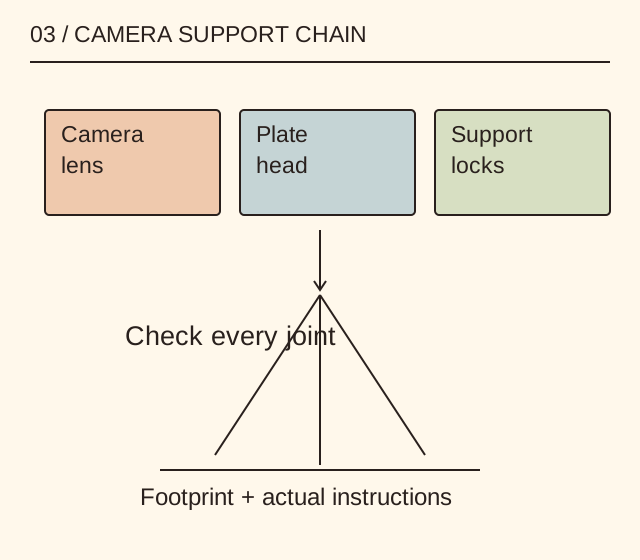
03 / CAMERA SUPPORT CHAIN · Camera · lens · Plate · head · Support · locks · Check every joint · Footprint + actual instructions
- Shot
- Configuration
- Location
- Result
Put it into practice
A fictional kit list includes camera body, lens, head, plate and a small accessory. The planner initially records only the body model. The corrected record names all five and links their manuals. If the plate does not match the head, an otherwise satisfactory image test does not resolve the mounting problem.
Illustrative example, not a reported client project or test.
Your take-away checklist
Check a camera support as a complete system
- □ Shot: ____________________
- □ Configuration: ____________________
- □ Location: ____________________
- □ Result: ____________________
Before you act
Follow the actual equipment instructions. This page does not specify load ratings, rigging, overhead support or safe use in adverse weather.
A completed example record
This is the illustrative case above. Download the blank version to record your own task.
- Shot
- Static object detailRequired crop and working height recorded
- Configuration
- Body + lens + head + plateEvery relevant model identified
- Location
- Indoor supervised setupFootprint and access reviewed
- Result
- Representative file openedNo universal stability claim
What a trial establishes
A representative image can show whether the chosen configuration served that particular shot under the recorded conditions. It does not establish safe use in wind, overhead rigging or a crowded venue.
Keep small parts with the record
Name the plate and any required adapter or fastener in the packing list. If something is missing, resolve it through the manufacturer or competent supplier rather than improvising a substitute from appearance.
Sources & context
The earlier page, Guidelines for the Photography Tripods and Monopods, was published 2021-10-19 under the Maria Baldwin byline. This guide develops its subject into a new procedure and worked example by MichaelT editorial.