A useful way through
- Name the audience, viewing destination and one question the film should answer. Confirm the proposed duration and any platform or venue requirements with the actual publisher. A promise to make an engaging video is not yet a production brief.
- Draft a timed sequence with columns for picture, speech or sound, on-screen information and purpose. Keep the total within the agreed duration. Mark footage, graphics and music that still need to be created or cleared rather than treating a reference clip as licensed production material.
- Ask the production team to review feasibility, permissions, access, contributors and revisions. Agree the review stages and what each approval covers: concept, script, rough cut and final output are different decisions. Keep the latest approved version identifiable.
- Check the exported film at its intended destination, including captions, audio, important crops and the final next step. Keep an approval record for the actual file. Attractive footage does not establish accessibility, correct claims or a measurable commercial result.
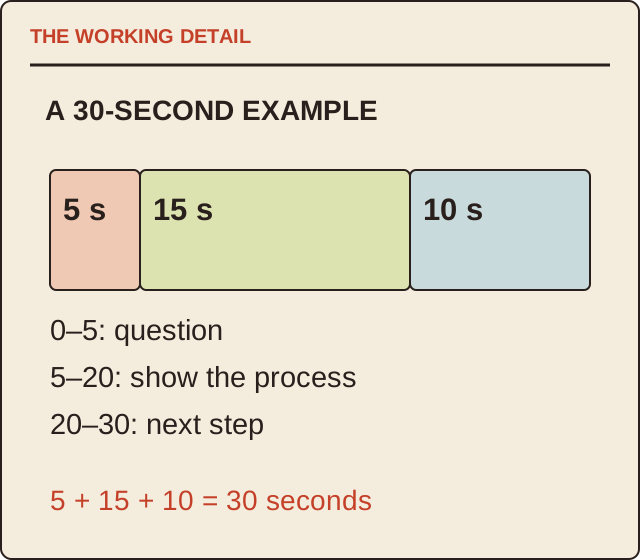
Read the map as text
THE WORKING DETAIL · A 30-SECOND EXAMPLE · 5 s · 15 s · 10 s · 0–5: question · 5–20: show the process · 20–30: next step · 5 + 15 + 10 = 30 seconds
- 0–5 seconds
- 5–20 seconds
- 20–30 seconds
- Final check
Put it into practice
A fictional 30-second film uses five seconds to pose a question, 15 seconds to show a process and ten seconds to explain the next step. That is 5 + 15 + 10 = 30 seconds, not three segments that can each expand without a new edit decision. The storyboard marks a music track as uncleared until the relevant permission is obtained.
Illustrative example, not a reported client project or test.
Your take-away checklist
Write a short-film brief with a timed storyboard
- □ 0–5 seconds: ____________________
- □ 5–20 seconds: ____________________
- □ 20–30 seconds: ____________________
- □ Final check: ____________________
Before you act
This is a planning example, not a reported production or a guarantee of engagement. Rights and accessible output need review for the actual film.
A worked record
Use the example to see the decisions, then download a blank record for your own task.
- 0–5 seconds
- QuestionAudience understands the task
- 5–20 seconds
- ProcessShow the actual sequence
- 20–30 seconds
- Next stepClear destination
- Final check
- Export + captions + permissionsReview the actual file
A complete brief includes the boring parts
Name the production contact, access arrangements, contributor permissions, revision rounds, deliverables and handover files. Confirm who supplies accurate product or service facts. These details protect the intended film from scope gaps more effectively than a mood board alone.
Use the storyboard as a review tool
Read the pictures without the narration, then read the narration without the pictures. Note where essential meaning disappears and discuss an appropriate accessible treatment. A timed plan makes those dependencies visible before expensive production begins.
Sources & context
The earlier topic was published 2022-05-24 under the Maria Baldwin byline. The present procedure, examples and diagrams are new work by MichaelT editorial; they do not attribute a new test or professional assessment to the earlier author.
Source information checked 17 October 2026; use the actual current requirements for your situation.