A useful way through
- Describe the actual products, units, volumes and handling requirements to the proposed provider. Identify any specialist or regulated needs with the appropriate adviser. Keep a single item, a pack and a complete kit distinct in the specification.
- Ask the provider to explain receipt, count reconciliation, storage identification and exceptions. Confirm who owns a discrepancy and when the stock record changes. A warehouse-management system name does not prove that the proposed receiving process matches your needs.
- Walk through an authorised sample order, including picking, packing, despatch and the information returned to you. Ask about cutoffs, inventory visibility, returns, substitutions and charges. Keep shipment creation separate from carrier collection and delivery.
- Agree an acceptance record and exit process with the provider before moving stock. Record actual trial outcomes and unresolved discrepancies. Do not mark a whole operation passed because an attractive dashboard shows a green order status.
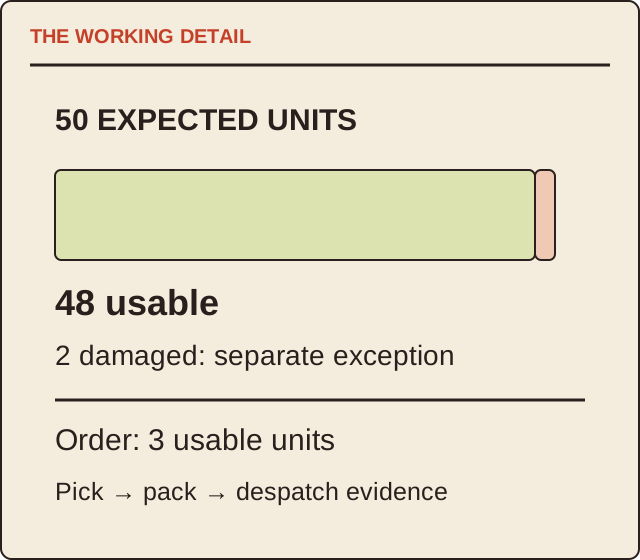
Read the map as text
THE WORKING DETAIL · 50 EXPECTED UNITS · 48 usable · 2 damaged: separate exception · Order: 3 usable units · Pick → pack → despatch evidence
- Inbound
- Usable
- Outbound
- Exception
Put it into practice
A fictional inbound record expects 50 units but the receiving count finds 48 usable units and two damaged. The system should not make all 50 available to order. An outbound example then follows three usable units through picking and despatch. The record asks who owns the two damaged units and how that exception is resolved.
Illustrative example, not a reported client project or test.
Your take-away checklist
Test a fulfilment proposal with one inbound and one outbound record
- □ Inbound: ____________________
- □ Usable: ____________________
- □ Outbound: ____________________
- □ Exception: ____________________
Before you act
No fulfilment provider is tested or endorsed. Specialist handling, contracts and compliance need the appropriate professional review.
A worked record
Use the example to see the decisions, then download a blank record for your own task.
- Inbound
- 50 expectedCount actual receipt
- Usable
- 48 available2 damaged remain separate
- Outbound
- 3 units requestedPick, pack, despatch evidence
- Exception
- Named owner and next actionNo silent substitution
A process comparison sheet
Use stage, input, responsible role, output record, exception and charge. Ask the same example of each provider. It is easier to compare a real handover than broad claims about efficiency, protection or round-the-clock management.
Plan the exit as well as the arrival
Ask about stock reconciliation, data export, outstanding orders and collection arrangements if the service ends. Keep the actual contractual and regulatory advice with the responsible owner. This guide does not make a warehouse safe or suitable for a regulated product.
Sources & context
The earlier topic was published 2021-09-11 under the Maria Baldwin byline. The present procedure, examples and diagrams are new work by MichaelT editorial; they do not attribute a new test or professional assessment to the earlier author.