
A useful way through
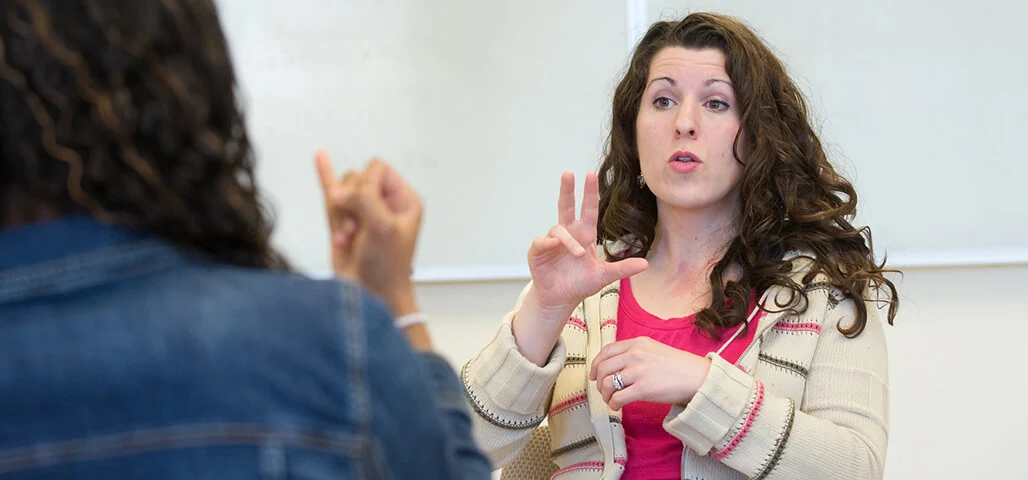
- Ask participants or the appropriate access contact which signed language or other communication support is needed. The World Federation of the Deaf explains that sign language is not universal. Do not assume an ASL interpreter serves every deaf audience.
- Give the prospective provider the event format, spoken and signed languages, duration, subject matter and setting. Ask the provider to propose the appropriate team and arrangements. Keep any credentials or experience claims tied to the actual provider and relevant system.
- Prepare materials and practical access with the interpreter and venue. Discuss speaker names, terminology, slides, lighting, sightlines and the route for questions. For online participation, agree how the signed-language image remains visible alongside the content.
- Review the arrangements with the relevant participants and responsible provider. Record outstanding questions, a day-of-event contact and how changes will be communicated. After the event, collect appropriate feedback without claiming universal accessibility from the presence of one service.
Read the map as text
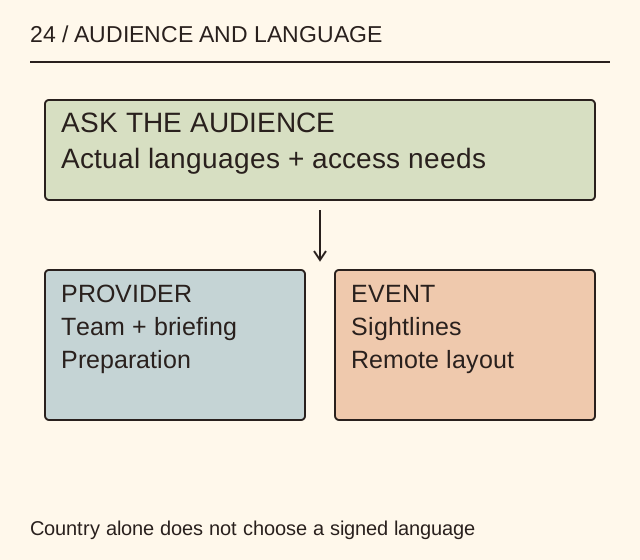
24 / AUDIENCE AND LANGUAGE · ASK THE AUDIENCE · Actual languages + access needs · PROVIDER · Team + briefing · Preparation · EVENT · Sightlines · Remote layout · Country alone does not choose a signed language
- Audience
- Format
- Preparation
- Visibility
Put it into practice
A fictional bilingual discussion has slides and remote participants. The organiser initially writes “ASL required” without asking the audience. The corrected brief confirms the actual languages and asks the provider about team, preparation and the remote layout. The example does not establish which arrangement a real audience needs.
Illustrative example, not a reported client project or test.
Your take-away checklist
Brief signed-language interpreting around the actual audience
- □ Audience: ____________________
- □ Format: ____________________
- □ Preparation: ____________________
- □ Visibility: ____________________
Before you act
This is an event-briefing worksheet, not interpreter certification or a guarantee of legal or universal accessibility.
A completed example record
This is the illustrative case above. Download the blank version to record your own task.
- Audience
- Language requirements confirmedNot inferred from country alone
- Format
- Discussion + slides + remote accessActual content and duration supplied
- Preparation
- Names, terms and materialsProvider’s preparation route agreed
- Visibility
- Sightlines and online layout reviewedUnresolved access questions recorded
Give the provider useful context
Provide a current programme, speaker list and subject vocabulary through an agreed route. Explain what may change. Preparation supports the service without pretending the organiser can prescribe every interpreting decision.
Access is a conversation
Interpreting, captions and other accommodations can serve different needs. Ask the relevant people and providers what is required rather than presenting them as automatic substitutes for one another.
Sources & context
The earlier page, American Sign Language Translator Helps Deaf People, was published 2021-09-24 under the Maria Baldwin byline. This guide develops its subject into a new procedure and worked example by MichaelT editorial.