A useful way through
- Write down the location, date and local seasonal context. Winter is not the same month or climate everywhere. Mark the views from the rooms you use and the route you need to keep accessible. Observe from a safe position when conditions make access difficult.
- Sketch the existing structure: trees, shrubs, edges, paths and containers. Record visible light, exposure and wet areas without pretending one visit is a full site assessment. Keep photographs from repeat viewpoints so changes can be compared.
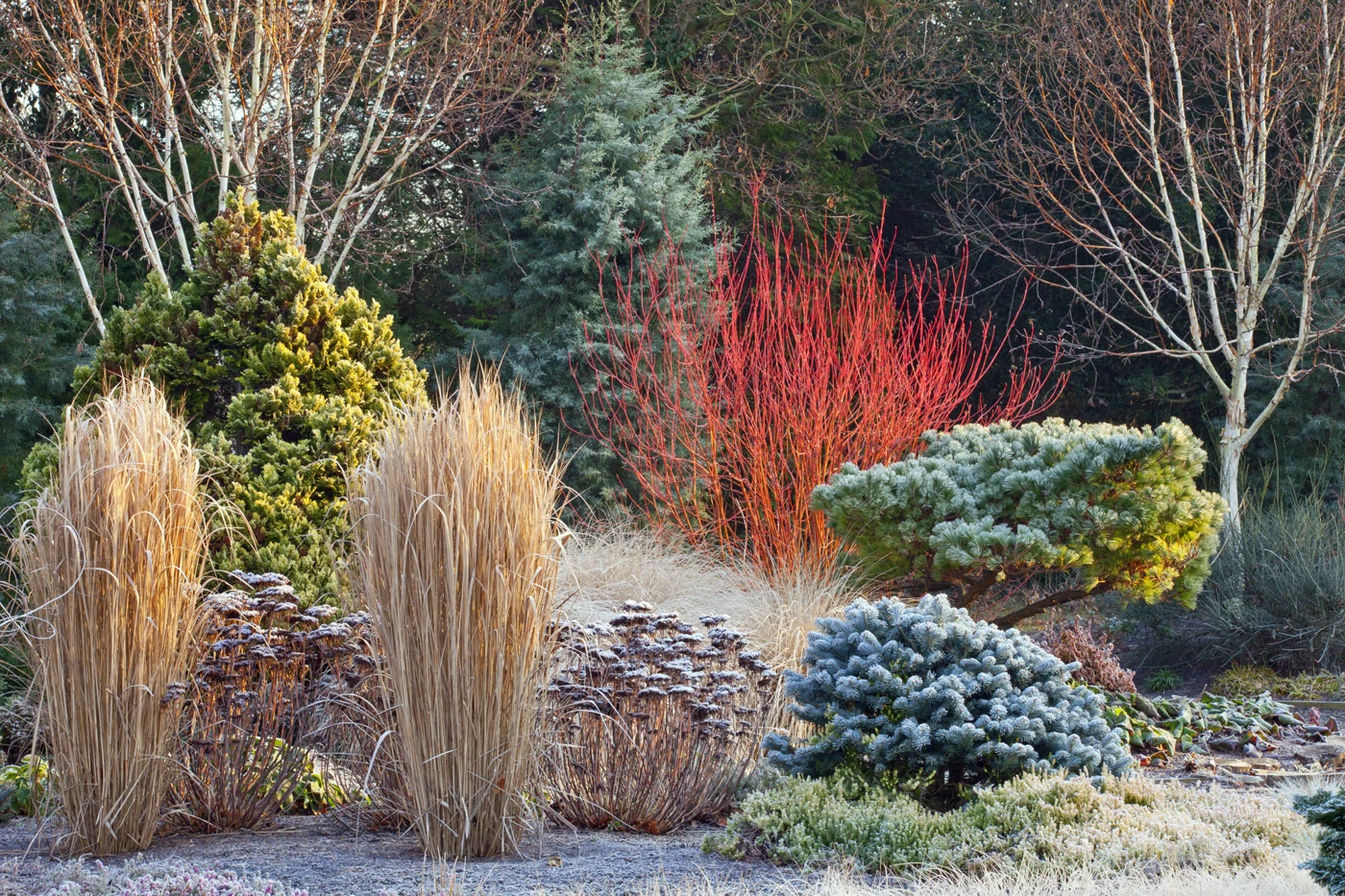
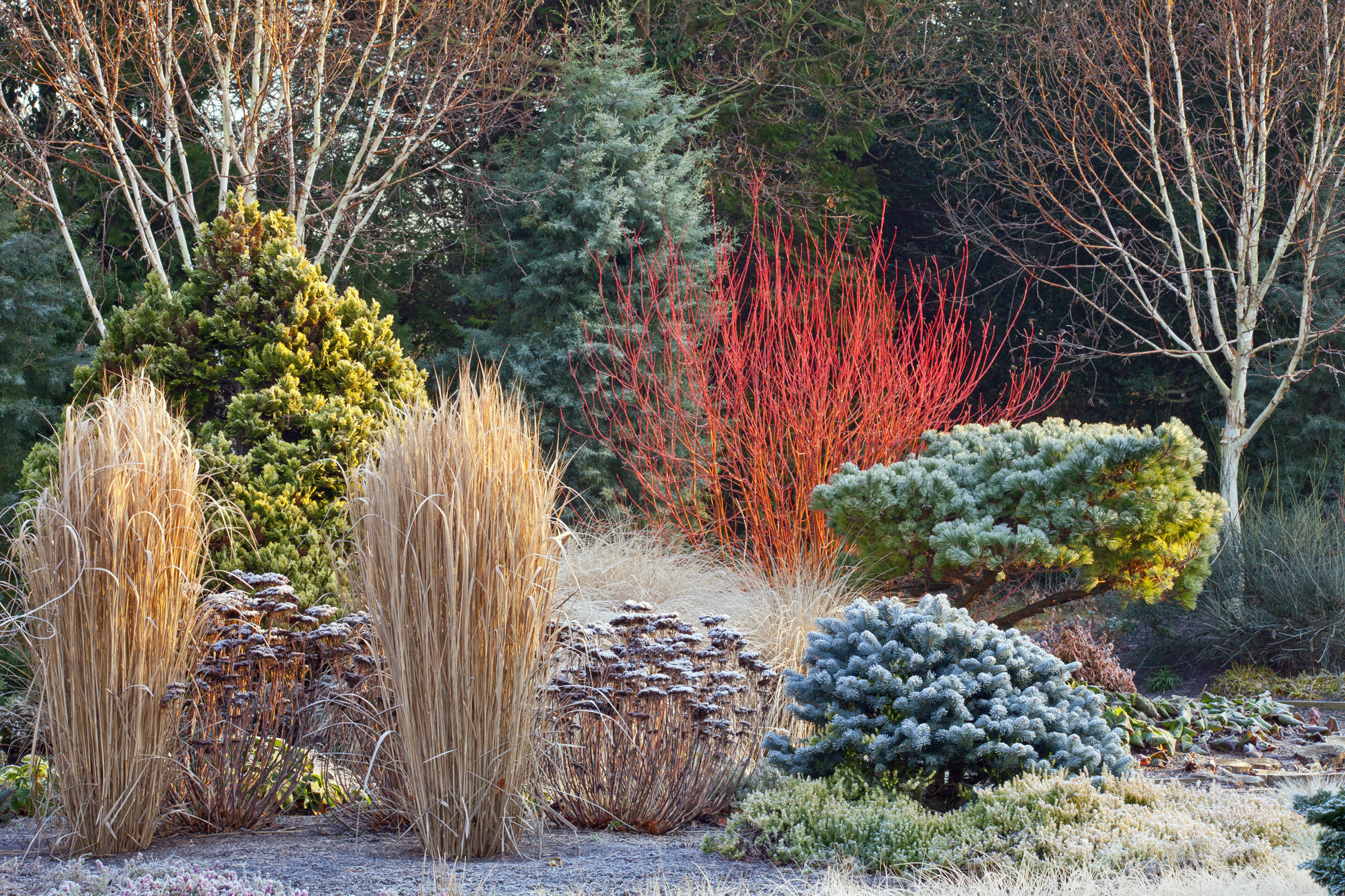
- Choose one purpose for the next change: a view, a route or interest near an entrance. The RHS winter-gardening guidance offers examples of structure, seasonal interest and wildlife considerations. Treat those as ideas to assess for your actual site, not proof that every named plant suits your climate or soil.
- Check the intended plant or material with a suitable local source before buying. Record its expected mature size, site requirements, maintenance and any relevant risks. Start with a coherent proposal and a review point rather than promising a garden that flowers or produces food all year.
Read the map as text
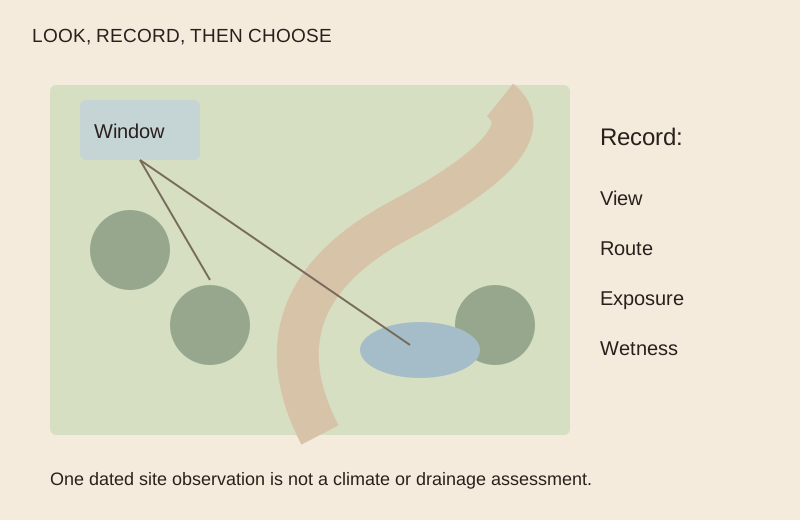
LOOK, RECORD, THEN CHOOSE · Window · Record: · View · Route · Exposure · Wetness · One dated site observation is not a climate or drainage assessment.
- Location and seasonal context
- Views and safe access
- Observed light, exposure and wetness
- Plant suitability to verify
Put it into practice
An illustrative garden map marks a view from a kitchen window, a frequently used gate and a wet patch after rain. The first decision is to investigate the route and site conditions; the second is to assess suitable planting for the view. The wet patch is an observation, not a drainage diagnosis. No particular planting scheme has been trialled here.
Illustrative example, not a reported client project or test.
Your take-away checklist
Plan a winter garden from observations, not a universal plant list
- □ Location and seasonal context: ____________________
- □ Views and safe access: ____________________
- □ Observed light, exposure and wetness: ____________________
- □ Plant suitability to verify: ____________________
Before you act
Plant suitability depends on the exact species, climate, soil, exposure and care. Consider children, pets, local ecological guidance and safe access. Do not carry forward the older article’s blanket frost-tolerance or year-round-growing promises.
A repeat-view notebook
Location; date; weather known; viewpoint; what remains visually interesting; what blocks access; observed wetness or exposure; question to investigate. Use the same viewpoint for a later comparison.
A proposal you can review
Name the intended purpose, exact candidate, information source, expected mature dimensions, maintenance owner and unresolved site question. If the site question changes the choice, resolve it before purchasing.
Sources & context
The earlier Garden Design In The Winter page was dated 2017-07-31. Its subject is developed here as a new procedure, with the original byline retained separately. This edition does not carry forward the page’s supplier recommendations or unsupported outcome claims.