Work
Test a small site’s search with a query and result record
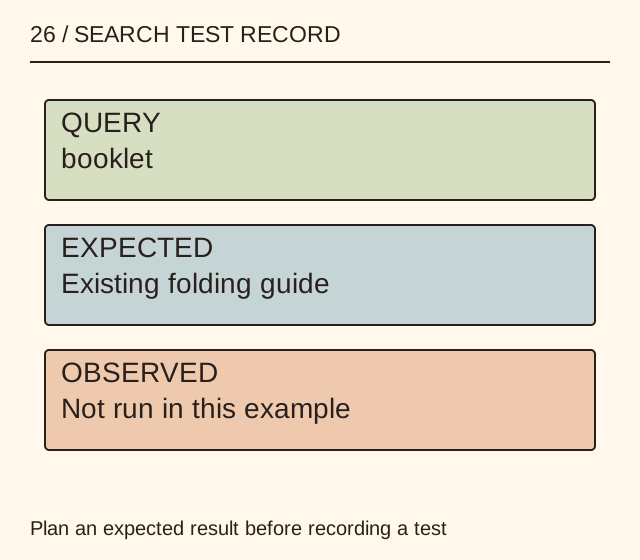
Turn a search complaint into a repeatable check of the page a visitor is trying to find.
Read the guide ↗Practical routes
Clear records for a website, a small task board, a device repair or a publication.
Complete examples, a blank record to keep and a drawing that explains the decision.
A search test needs an existing destination. A task card needs a finish condition. Write those before judging the outcome.
An unknown product specification, missing backup owner or blocked proof should stay visible with a responsible role.
Review the rendered page, restored file, returned device or authorised email test. A status label alone is not the evidence.
Work
Turn a search complaint into a repeatable check of the page a visitor is trying to find.
Read the guide ↗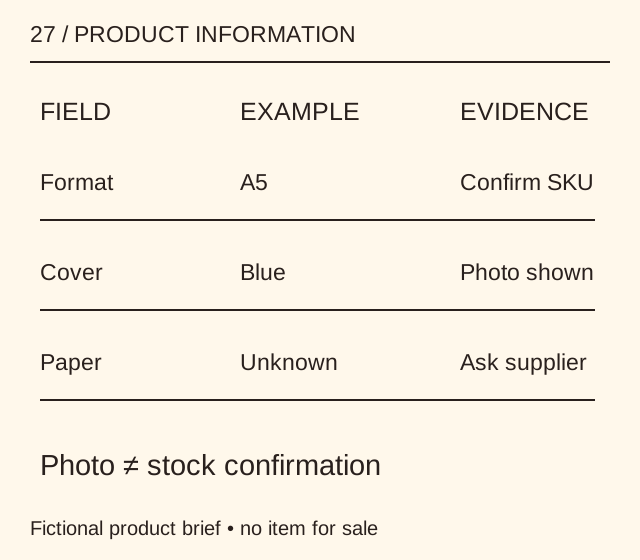
Work
Separate facts about the product, the chosen variant and the transaction before commissioning a page.
Read the guide ↗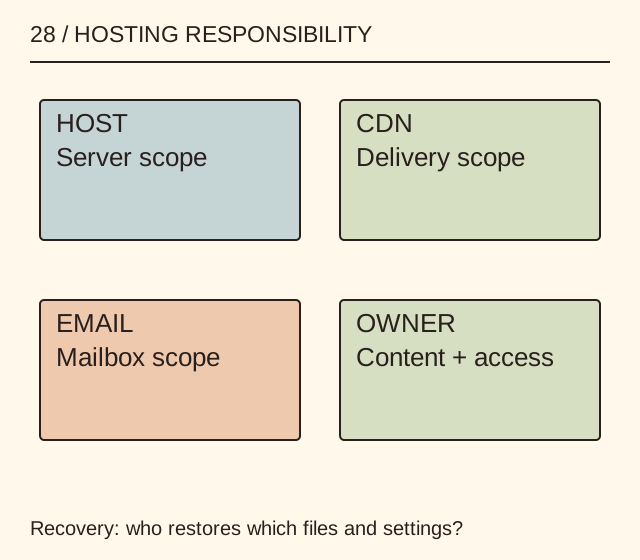
Work
Ask who handles each operational task and how the site can leave before comparing a headline monthly price.
Read the guide ↗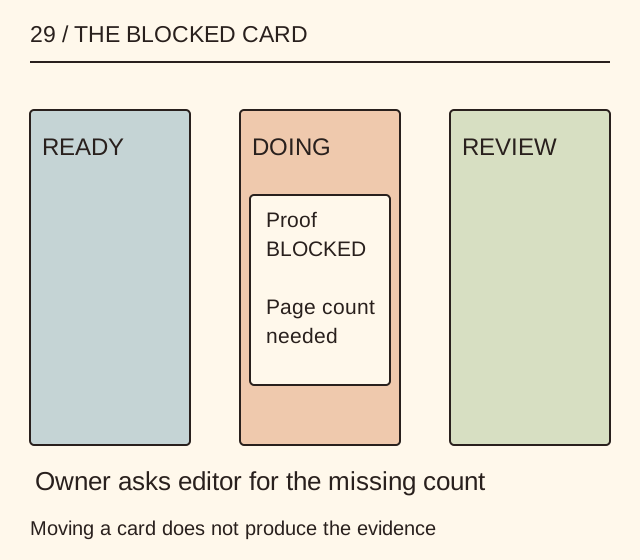
Work
Give each card an owner, a finish condition and an explicit blocker instead of adding another vague status column.
Read the guide ↗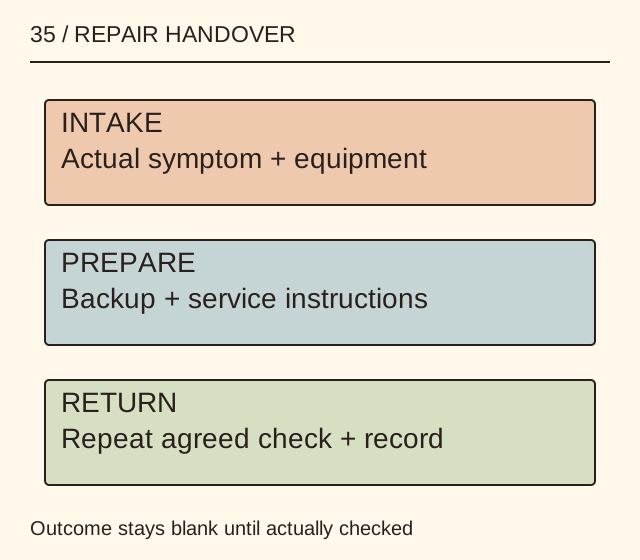
Work
Give the repairer a reproducible problem and agree the data and equipment handover without sharing unnecessary secrets.
Read the guide ↗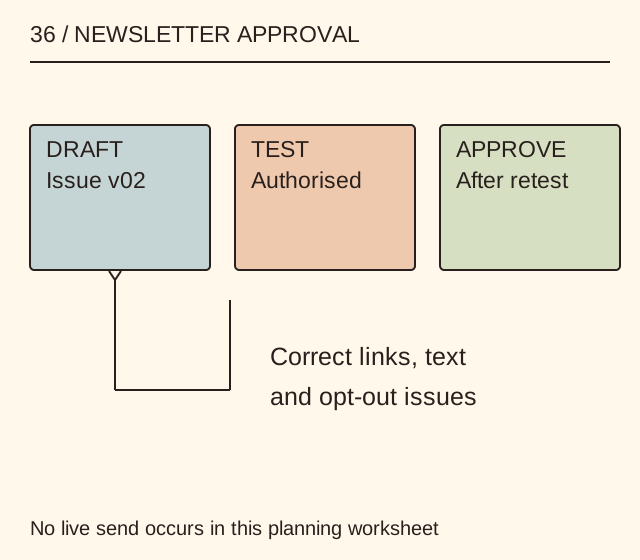
Work
Check the message, permission route and working opt-out before an issue reaches real subscribers.
Read the guide ↗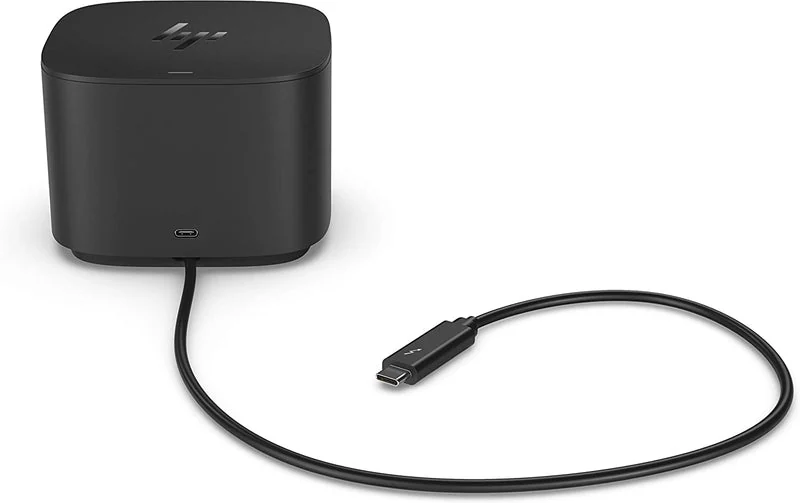
Work
Check each requested function across the laptop, dock, cable and attached device.
Read the guide ↗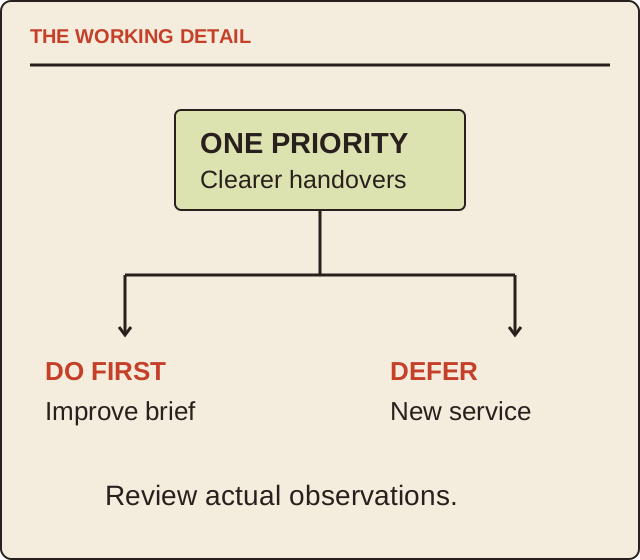
Work
Connect a chosen outcome to evidence, a trade-off and the next review.
Read the guide ↗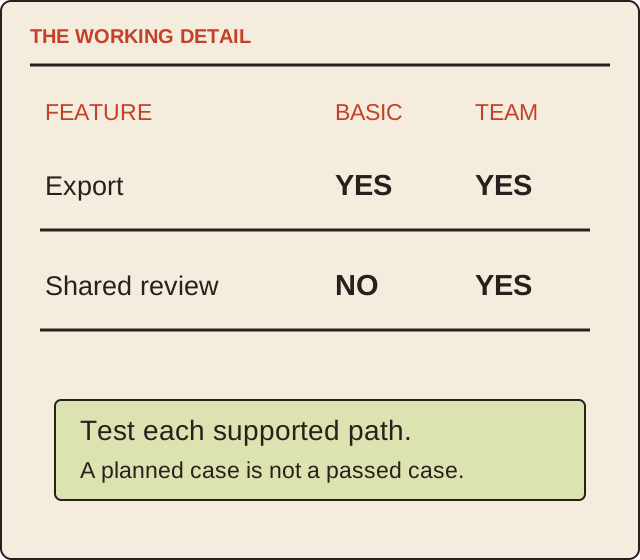
Work
Show what is shared, what varies and which combinations the team actually supports.
Read the guide ↗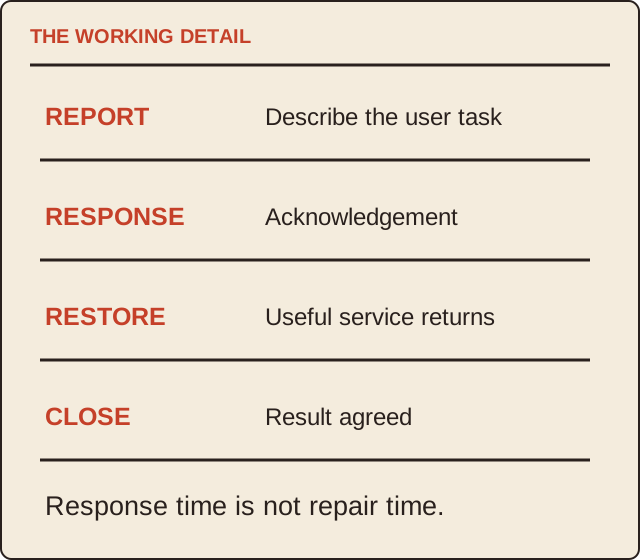
Work
Make response, investigation, restoration and closure distinct service questions.
Read the guide ↗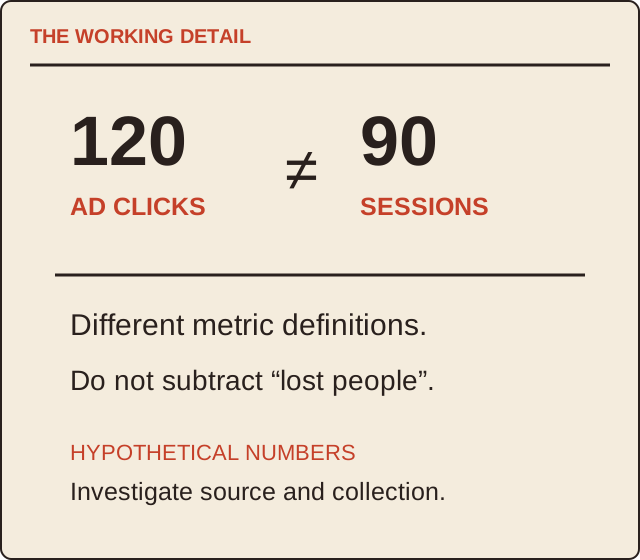
Work
Define the metric, source, period and scope before comparing performance.
Read the guide ↗
Work
Connect the activity, prepared device, saved work and return process.
Read the guide ↗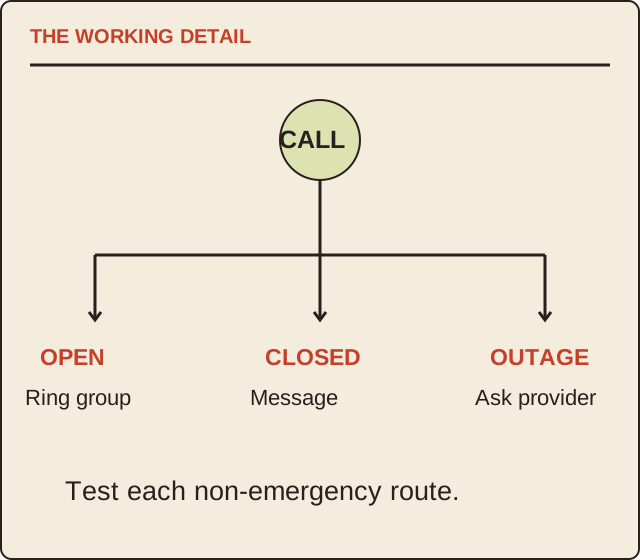
Work
Check where a call goes in normal, busy and unavailable states before changing service.
Read the guide ↗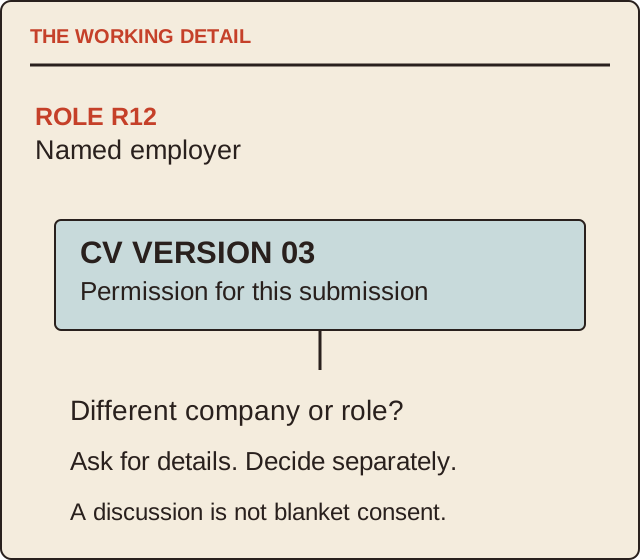
Work
Know which role, employer and version of your information are being discussed.
Read the guide ↗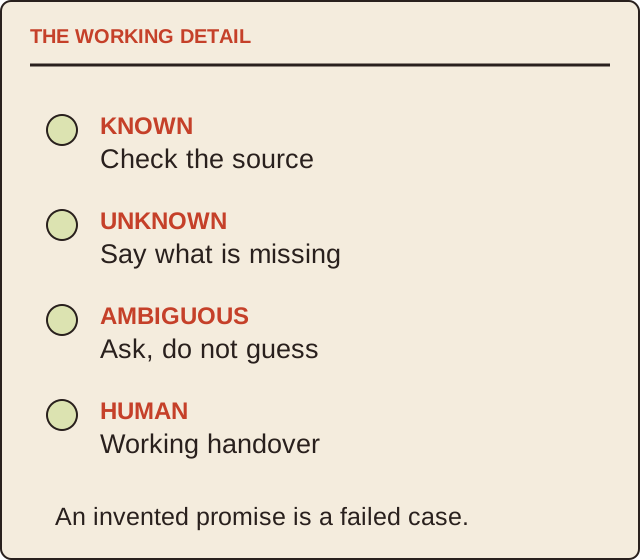
Work
Test useful answers, uncertainty and the route to a person instead of judging a fluent greeting.
Read the guide ↗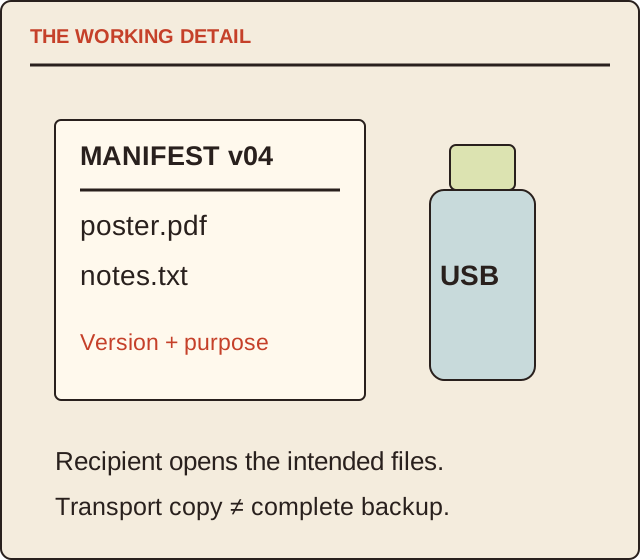
Work
Make the intended files, versions and receiving check explicit.
Read the guide ↗
Work
Check the actual organisation, access, costs and next action instead of a promised network effect.
Read the guide ↗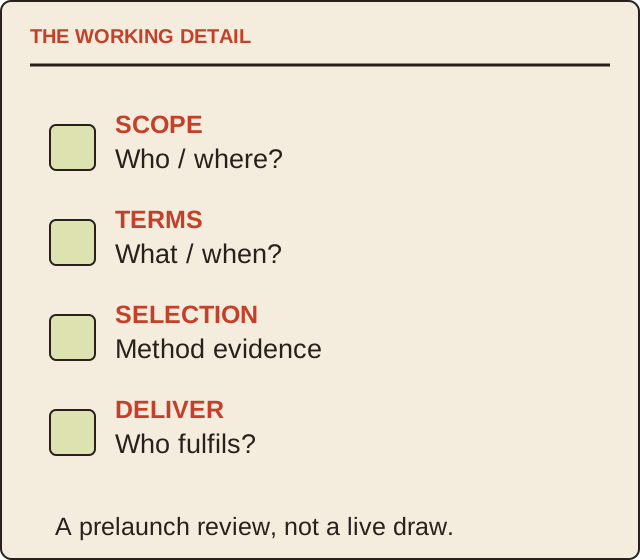
Work
Make the eligibility, prize, selection evidence and responsibilities visible before launch.
Read the guide ↗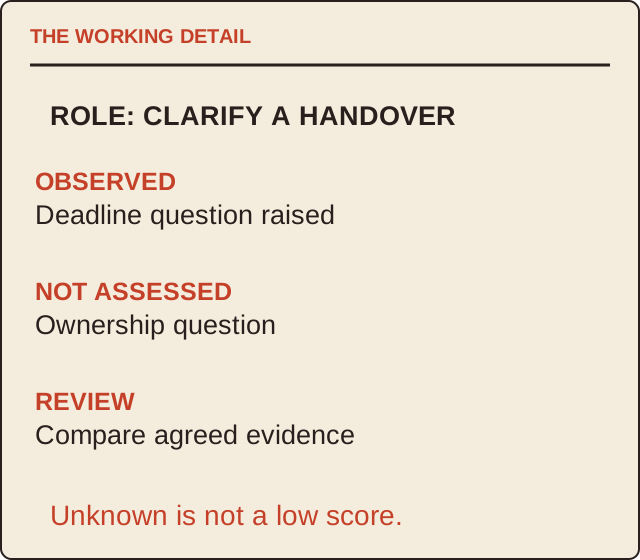
Work
Agree the work evidence and review method before meeting candidates.
Read the guide ↗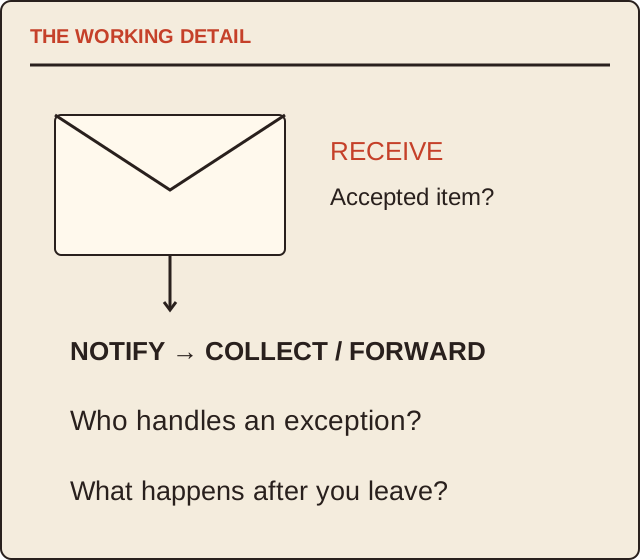
Work
Check what is received, who is notified and how you leave the service.
Read the guide ↗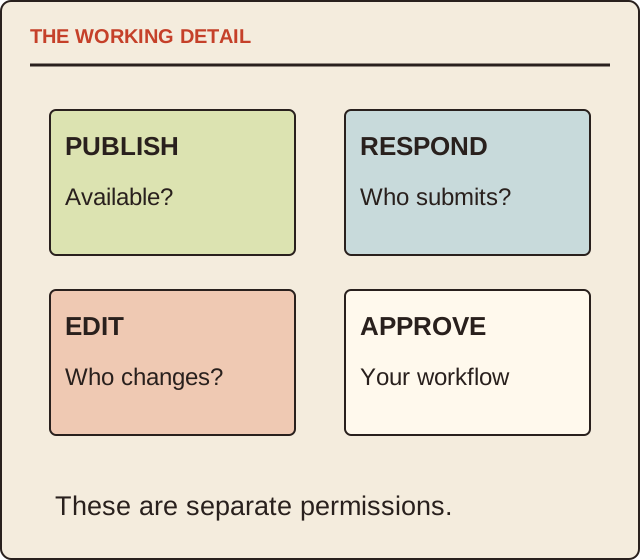
Work
Distinguish publishing, responder access, collaborator access and approval inside your own organisation.
Read the guide ↗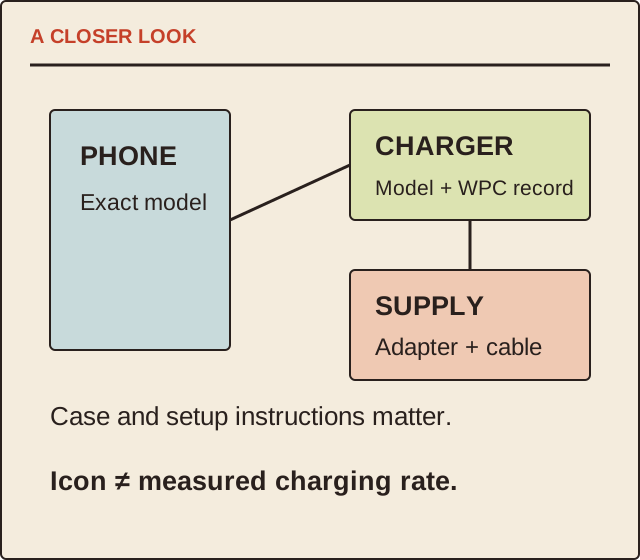
Work
Identify the phone, pad, case, cable and power supply before interpreting a charging-speed claim.
Read the guide ↗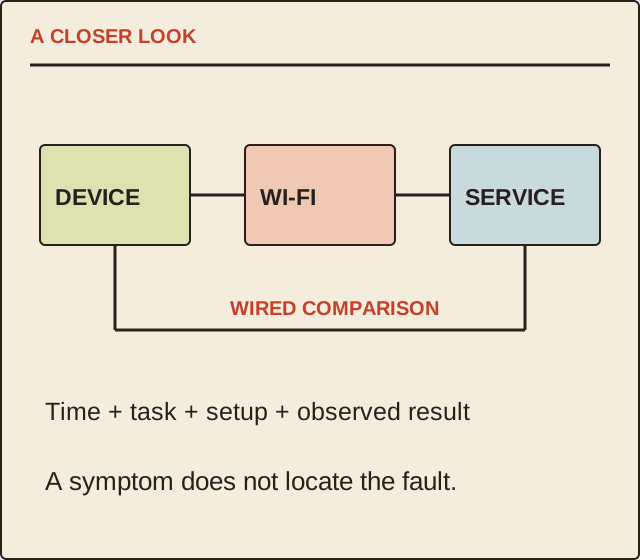
Work
Separate the service connection, local Wi-Fi and the application where you noticed a problem.
Read the guide ↗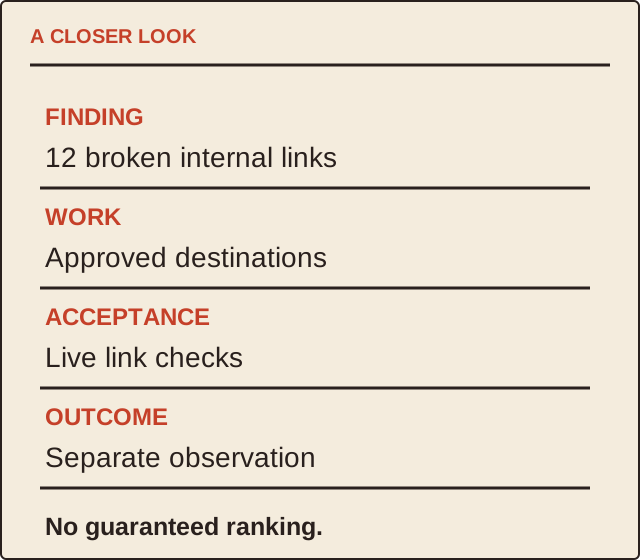
Work
Ask what will change, how it will be checked and which permissions are actually needed.
Read the guide ↗
Work
Make the deliverable, placement spend and evidence visible before comparing a campaign price.
Read the guide ↗Five routes through the latest practical guides. Each one includes worked records and blank worksheets.