
A useful way through
- Choose the actual brewer and follow its current instructions. Record the coffee, grind setting if applicable, water amount and method. Keep quantities in a consistent unit. Separate a maker’s recommended starting point from a recipe you have personally tried.
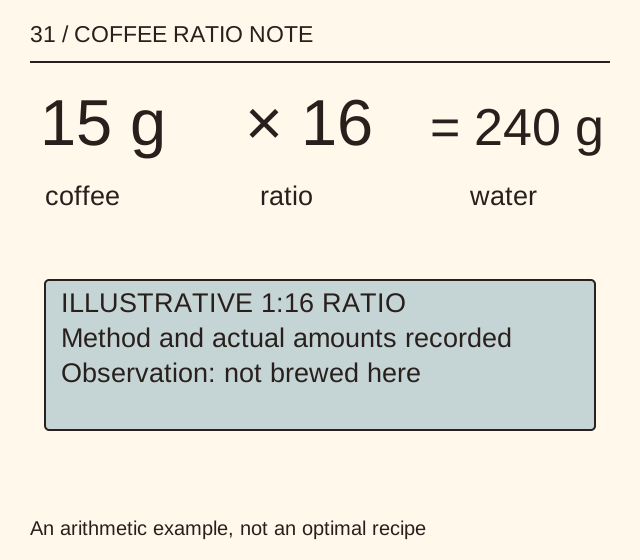
- Use arithmetic to make the proposed recipe clear. A coffee-to-water ratio expresses relative quantities; it does not establish what every person will prefer. If you use 15 grams of coffee and a hypothetical 1:16 ratio, the corresponding water amount is 240 grams.
- Brew only with equipment and handling suitable for the method. Record what actually happened, including any timing or amount you measured. Write a specific observation in your own words, or “uncertain” if you cannot distinguish it. Avoid turning preference into a universal quality claim.
- Choose one relevant variable for the next comparison while keeping the recorded conditions clear. Make a new row rather than overwriting the first cup. Stop short of claiming that a small personal comparison proves freshness, health benefits or the superiority of a particular bean.
Read the map as text
31 / COFFEE RATIO NOTE · 15 g · × 16 · = 240 g · coffee · ratio · water · ILLUSTRATIVE 1:16 RATIO · Method and actual amounts recorded · Observation: not brewed here · An arithmetic example, not an optimal recipe
- Coffee
- Ratio
- Water
- Observation
Put it into practice
A fictional notebook starts with a proposed 15 g / 240 g recipe. The first observation and time fields are blank because no brew has been performed. After a real cup, the reader can add what they measured and choose one next change. The arithmetic is complete; the tasting result is deliberately not invented.
Illustrative example, not a reported client project or test.
Your take-away checklist
Keep a coffee notebook that changes one variable at a time
- □ Coffee: ____________________
- □ Ratio: ____________________
- □ Water: ____________________
- □ Observation: ____________________
Before you act
Use the exact brewer’s instructions and safe handling for hot water and equipment. This is a recordkeeping example, not dietary advice or a tested coffee recipe.
A completed example record
This is the illustrative case above. Download the blank version to record your own task.
- Coffee
- 15 g proposedActual amount recorded at brewing
- Ratio
- 1:16 illustrativeA starting example, not a universal target
- Water
- 15 × 16 = 240 gUse matching mass units
- Observation
- Not brewed in this exampleAdd only after making and observing the cup
A ratio is not the whole method
Brewer, grind, water, sequence and time can differ while a ratio remains the same. Retain the method with the numbers so a later comparison has a meaningful reference.
Write what you noticed
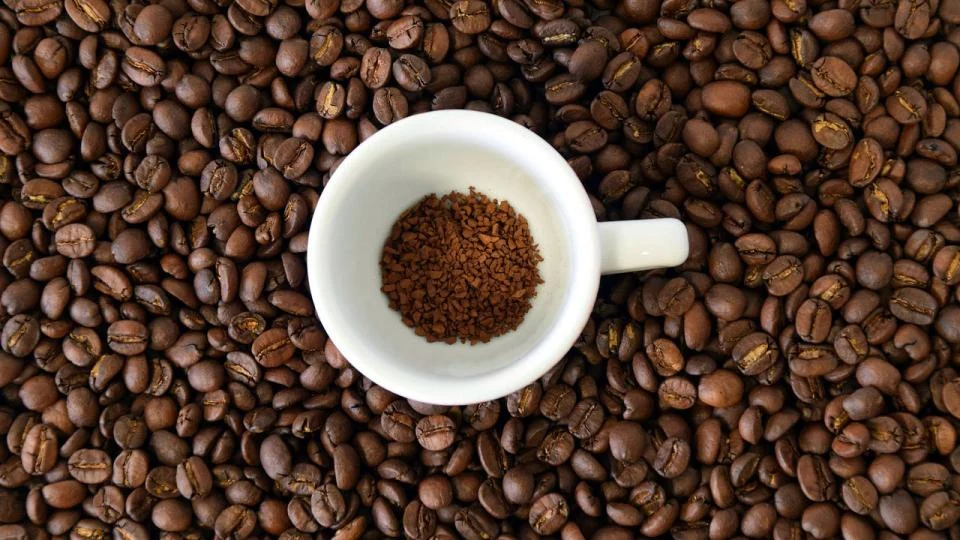
“I preferred this cup to the previous one” is a personal observation. A freshness guarantee or health outcome requires different evidence. The source photograph illustrates coffee, not a test conducted for this guide.
Sources & context
The earlier page, Know More About Whole Bean Coffee, was published 2021-09-02 under the Maria Baldwin byline. This guide develops its subject into a new procedure and worked example by MichaelT editorial.