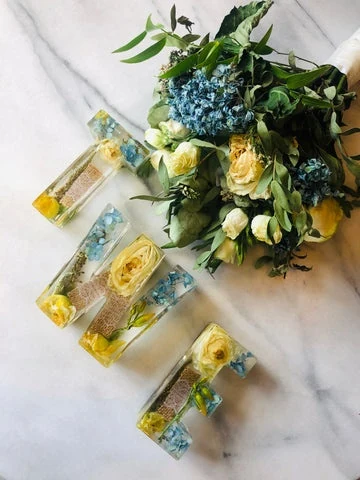

A useful way through
- Choose the intended object first. A bookmark needs a flat, fully dried specimen; a small arrangement may need its volume. Identify the plant and check that you may collect it. Keep unfamiliar plants away from food, pets and children rather than treating every flower as harmless.
- For a flat project, follow a flower-pressing method such as the RHS guide linked below: arrange the material without overlap between suitable absorbent papers, apply the specified pressure and allow it to dry. Start with a small sample; thick or moist specimens need more attention than a thin petal.
- For a three-dimensional project, ask the grower or florist for a method appropriate to the actual flower. Record its starting condition and the chosen drying setup. Do not enclose damp material inside a finished card or sealed display merely because its surface looks dry.
- Inspect before assembly. Note brittleness, staining, residual moisture and any mould. Discard spoiled material safely. Test the adhesive and backing on a spare specimen, then keep the finished piece away from moisture and direct light where practical.
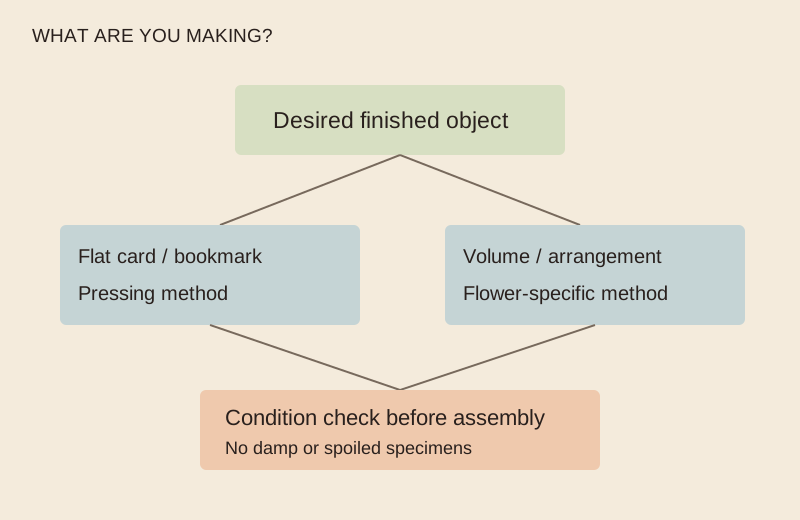
Read the map as text
WHAT ARE YOU MAKING? · Desired finished object · Flat card / bookmark · Pressing method · Volume / arrangement · Flower-specific method · Condition check before assembly · No damp or spoiled specimens
- Desired shape and use
- Plant identification and permission
- Method and start date
- Dryness, colour and condition
Put it into practice
For an illustrative pressed-flower card, label three spare specimens A, B and C with the same start date. Record the papers and pressing method used. At the method’s review point, compare condition and suitability for a flat card. Assemble only suitable fully dried material; keep a photograph of the approved sample so the next batch has a reference. This is a project plan, not a report of a drying test.
Illustrative example, not a reported client project or test.
Your take-away checklist
Preserve flowers for a project: start with the finish
- □ Desired shape and use: ____________________
- □ Plant identification and permission: ____________________
- □ Method and start date: ____________________
- □ Dryness, colour and condition: ____________________
Before you act
The earlier page mentioned chemical bleaching and colouring. Those recipes are not part of this guide. Do not mix household chemicals or use preservation products without their specific instructions and appropriate precautions. Drying does not make a plant edible.
Keep a specimen card
Write plant name or “unidentified”; collection permission; collection date; method; review observations; intended use; adhesive test; final storage location. If identification is uncertain, retain that uncertainty.
What a comparison can tell you
A small sample can help choose a material for your own project. It does not establish a universal drying time or guarantee that a flower will keep its original colour indefinitely.
Sources & context
The earlier Dried Flowers – How Do You Preserve Them? page was dated 2022-02-16. Its subject is developed here as a new procedure, with the original byline retained separately. This edition does not carry forward the page’s supplier recommendations or unsupported outcome claims.