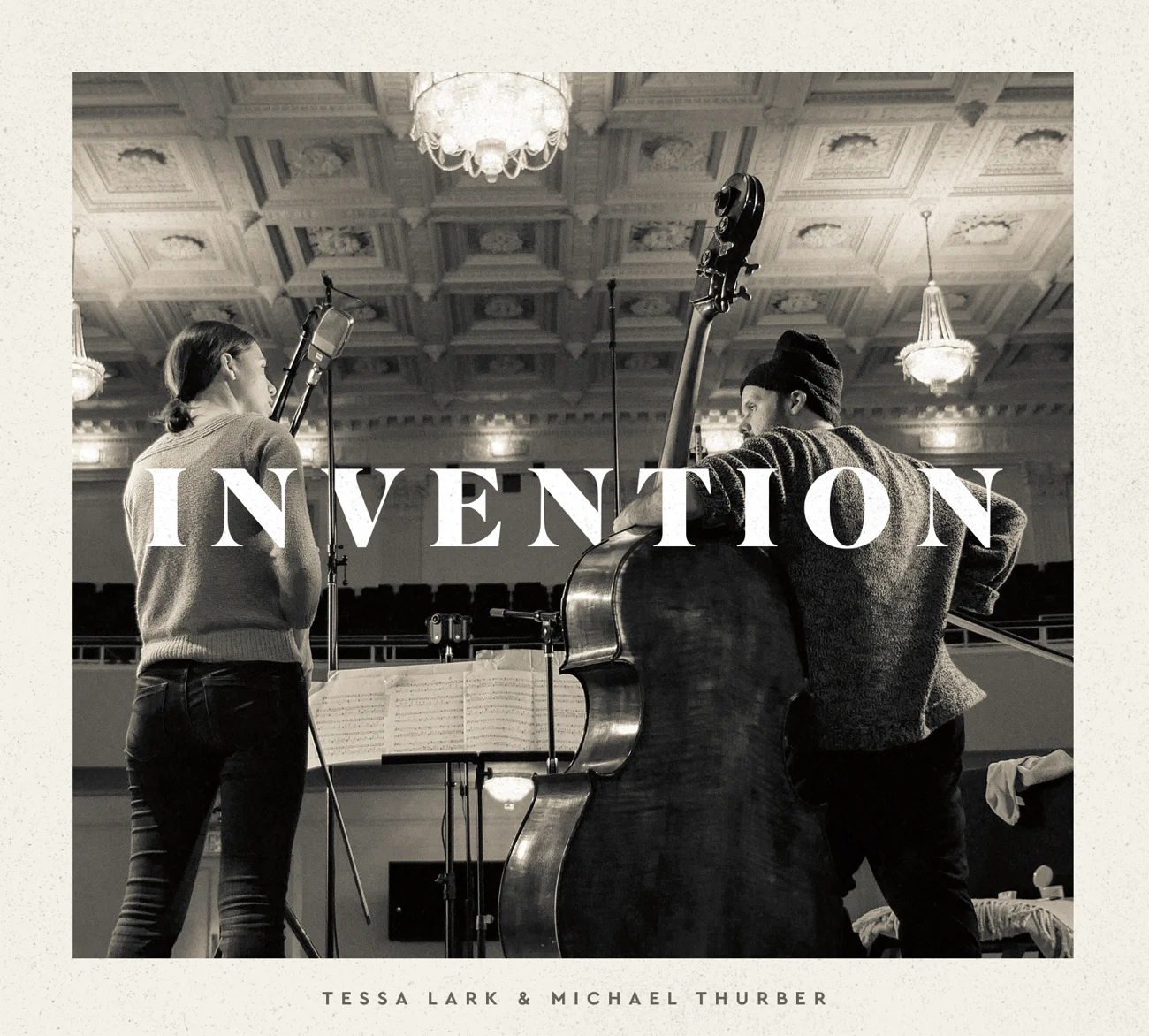
A useful way through
- Listen once without taking notes. Notice where your attention moves between the instruments.
- On a second pass, follow only the low line. Mark the moments when it repeats, answers or changes direction.
- Return to the violin part. Listen for a similar shape arriving at a different moment, then note one exchange in ordinary words.
- Compare the beginning and ending. Describe what changed in rhythm, texture or the relationship between the parts. Keep observation separate from an interpretation of the performer’s intent.
Read the map as text
LISTENING MAP · 01 · First impression · 02 · Follow the bass · 03 · Follow the violin · 04 · Describe one · exchange
- First impression
- Follow the bass
- Follow the violin
- Describe one exchange
Put it into practice
A notebook entry might read: “The low part begins alone; the upper part enters with a related shape; later I hear the two overlap.” That is a listening observation. Calling it a quotation of a named folk tune needs additional identification.
Illustrative example, not a reported client project or test.
Your take-away checklist
Bach meets bluegrass: hear the conversation
- □ First impression: ____________________
- □ Follow the bass: ____________________
- □ Follow the violin: ____________________
- □ Describe one exchange: ____________________
Before you act
Use the linked artist, publisher or presenter for exact credits and current availability. These listening and planning exercises are editorial additions, not quotations from a lesson by Michael Thurber.
Sources & context
The Philharmonic Society’s release, dated 17 April 2024, announced Bach Meets Bluegrass with Tessa Lark and Michael Thurber at Irvine Barclay Theatre on 14 May 2024. It connects Bach inventions arranged for violin and bass with their 2019 album Invention. Those are the dates of that programme, not a current ticket offer.