Work
Prototype a package before ordering the print run
Check the product, inner clearance, packing sequence and opening experience with one complete sample.
Read the guide ↗Practical routes
Make the count, dimensions and approval visible before committing materials.
Complete examples, a blank record to keep and a drawing that explains the decision.
A booklet dummy, package sample or print placement answers a different question from a screen preview.
Count pages, garments or pattern positions in a consistent unit. The examples show the arithmetic and where it stops.
Download the relevant blank worksheet, then keep the approved file or sample version beside the completed record.
Work
Check the product, inner clearance, packing sequence and opening experience with one complete sample.
Read the guide ↗
Work
Separate reading order, printer imposition and the physical folded proof so a small booklet is easy to check.
Read the guide ↗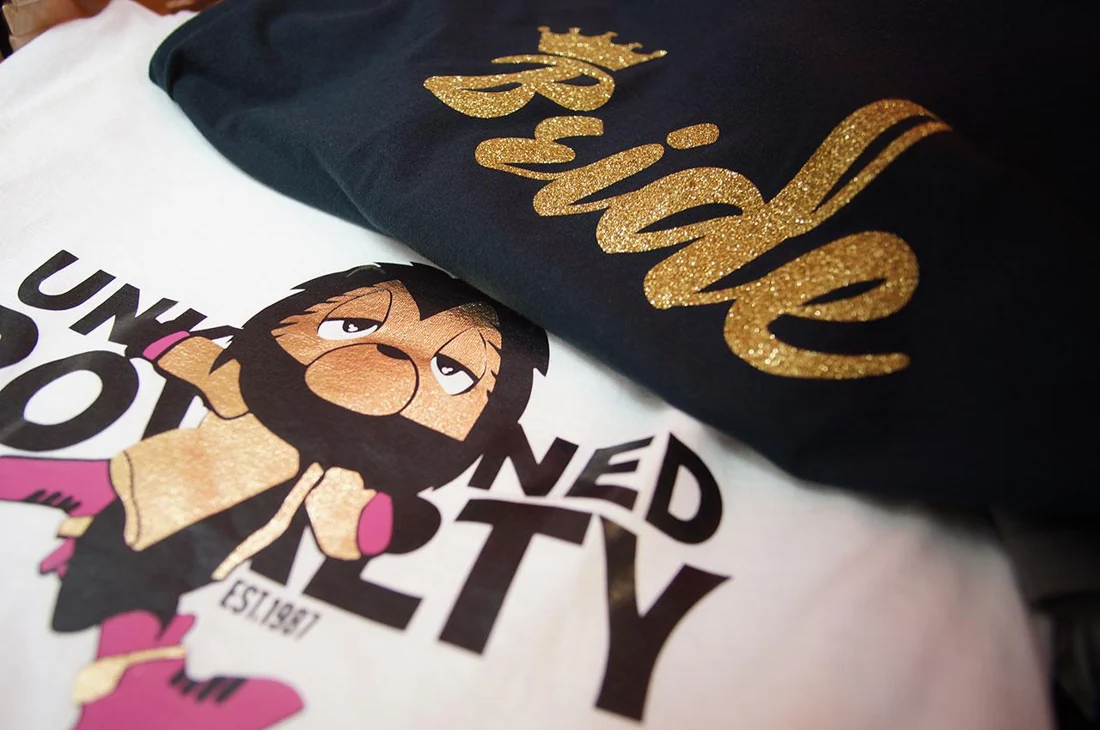
Work
Keep the garment, artwork, position and quantity linked so the order describes one reproducible result.
Read the guide ↗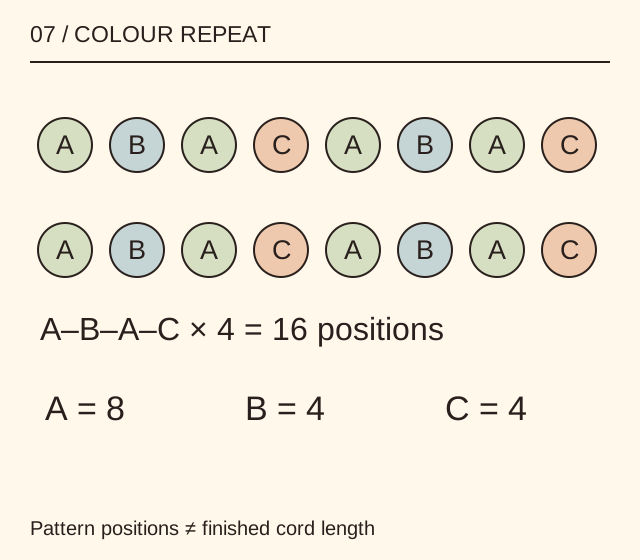
Everyday
Use names, sample lengths and a pattern record so a small decorative cord project can be repeated.
Read the guide ↗
Work
Describe the view, transmitted light, privacy and pattern at the actual location before approving a decorative glass design.
Read the guide ↗
Everyday
Choose a small model project and a repeatable record before buying a large collection of supplies.
Read the guide ↗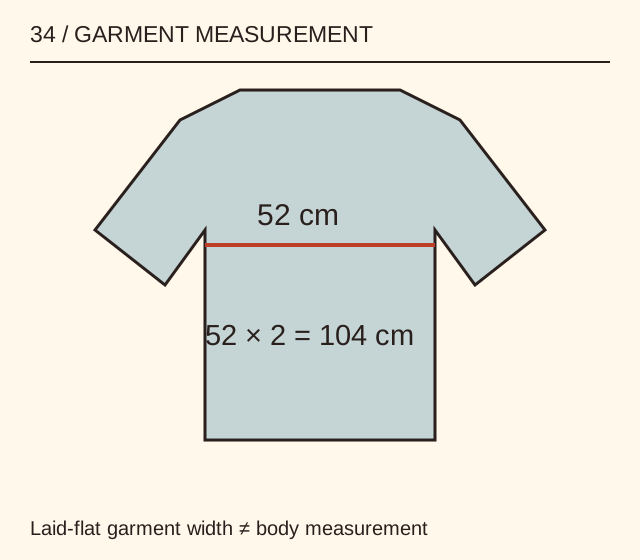
Everyday
Use the same measuring points as the seller and keep body measurements separate from garment dimensions.
Read the guide ↗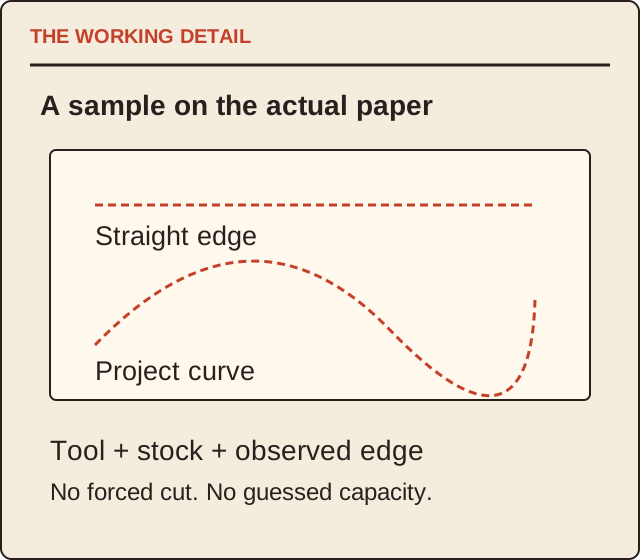
Everyday
Match the hand, material and required edge before choosing a finish or colour.
Read the guide ↗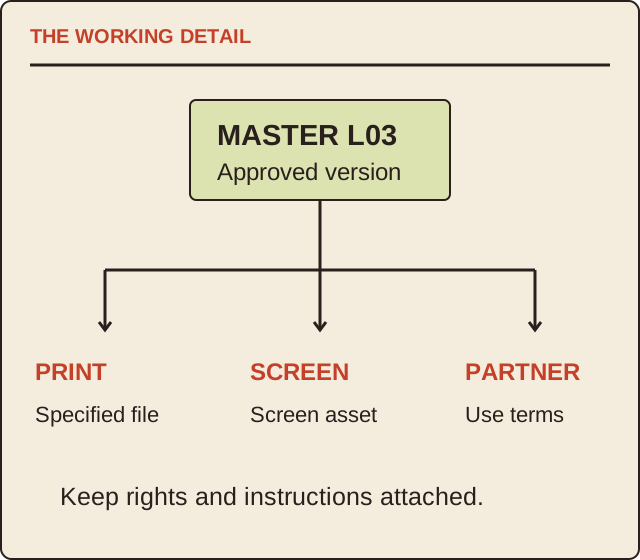
Work
Organise the approved identity files by destination, permission and version.
Read the guide ↗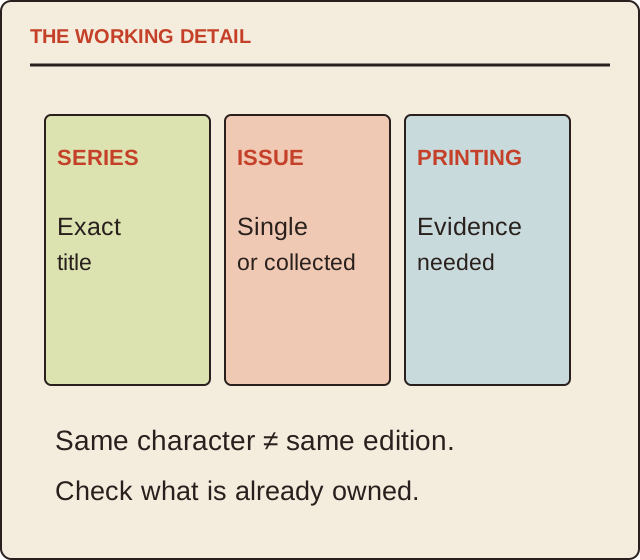
Everyday
Check the series, issue, printing and recipient’s existing collection without assuming rarity or future value.
Read the guide ↗
Work
Agree the design, dimensions, material claims and sample approval before a production quantity.
Read the guide ↗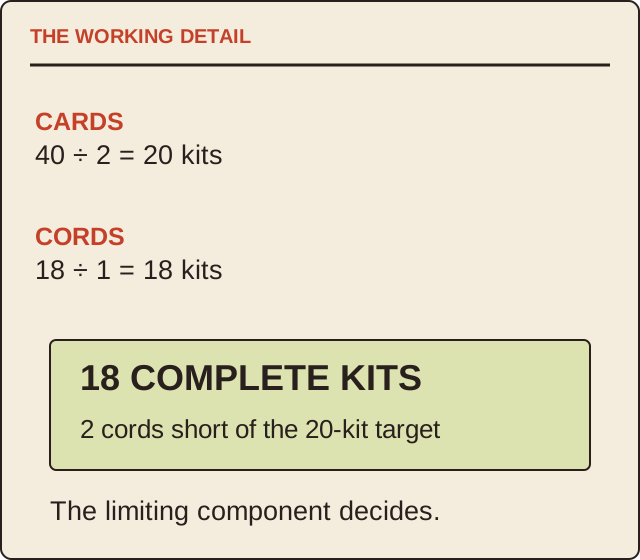
Work
Use a bill of materials, one complete sample and a shortage calculation.
Read the guide ↗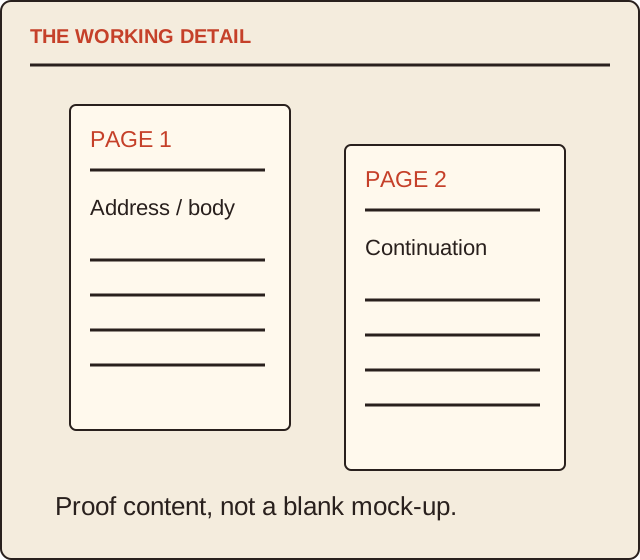
Work
Check the template, continuation page and final print path as one document.
Read the guide ↗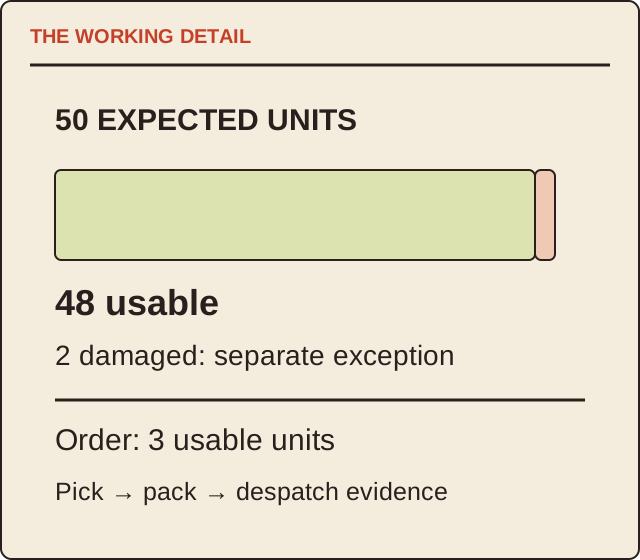
Work
Follow the stock count, exception and delivery handover instead of relying on a warehouse photograph.
Read the guide ↗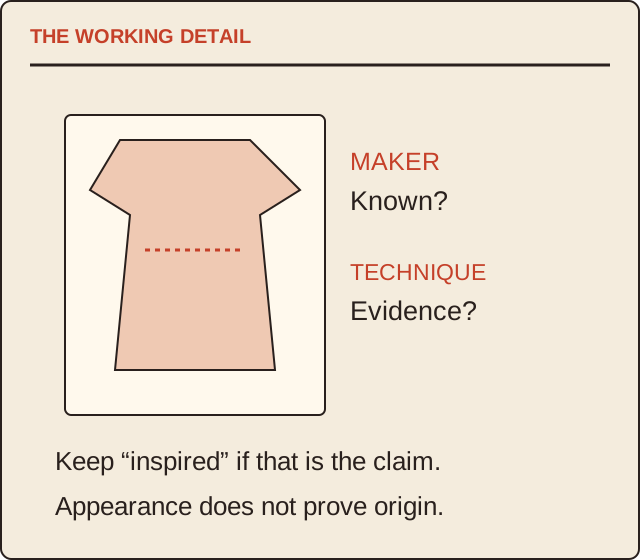
Everyday
Keep the maker, technique, dimensions and care evidence attached to the actual garment.
Read the guide ↗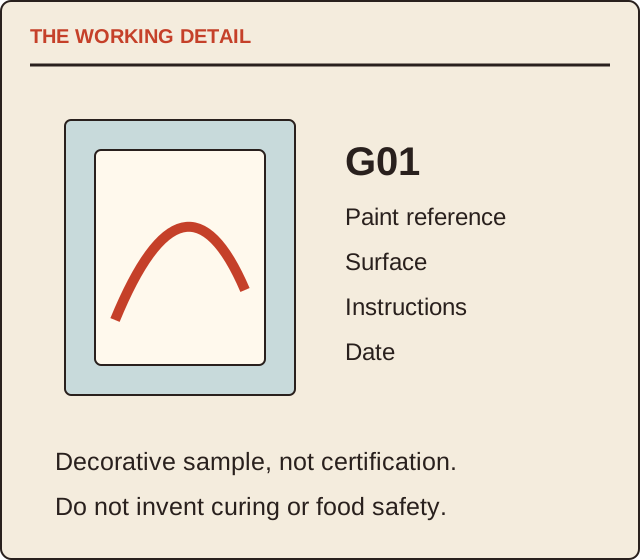
Everyday
Check the intended use, compatible materials and a labelled sample without guessing firing or food-contact requirements.
Read the guide ↗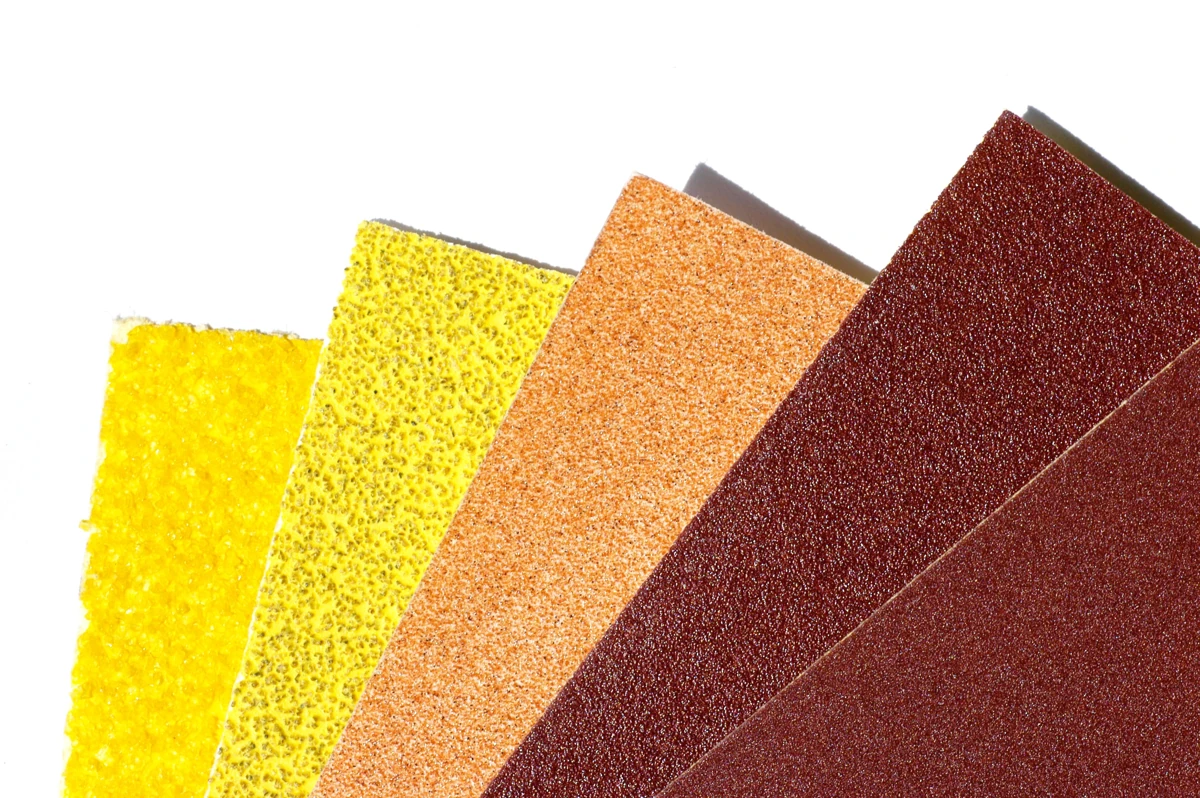
Everyday
Keep the grading prefix, backing and intended use attached to the sample.
Read the guide ↗Five routes through the latest practical guides. Each one includes worked records and blank worksheets.