.jpg)
A useful way through
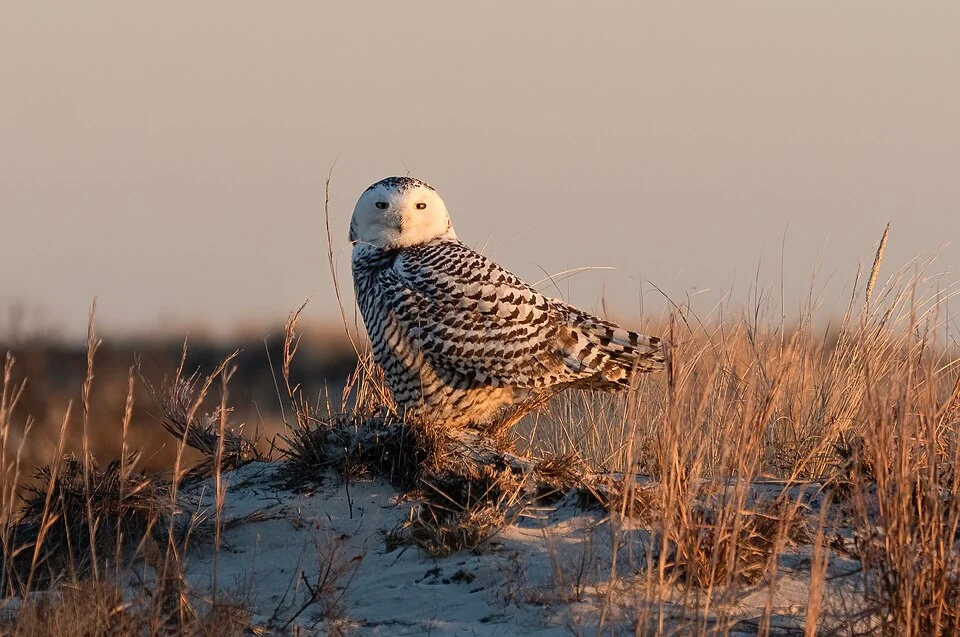
- Start with the original photographer or a documented image record, not a repost’s caption. Record the image identifier, credit, reuse terms and the claims attached to it. A file appearing in a snowy setting is not evidence that its location or capture story is known.
- Ask what is documented about the subject and capture. Keep a species identification supported by a suitable source separate from a guess based on colour. Do not infer that an owl is wild, unbaited or healthy simply because the photograph looks natural.
- Check the photographer’s description of methods and the destination’s requirements. Audubon’s ethical guidance rejects baiting predatory birds and recommends protecting sensitive location information. A striking action image does not justify disturbing an animal to recreate it.
- Write a caption that states only what the record supports and preserves the credit and reuse conditions. Describe substantial edits if relevant. If location or capture method is unknown, say so; do not manufacture a sunny-day, wilderness or conservation story to make the image more appealing.
Read the map as text
THE WORKING DETAIL · ILLUSTRATIVE ICON · FILE · Original record · CREDIT · Actual maker · CAPTURE METHOD · Documented or unknown · CAPTION · Do not invent the story
- Identity
- Credit
- Capture
- Caption
Put it into practice
A fictional repost says “wild snowy owl at dawn” but links only to another repost. The reader finds an original image record with a photographer and licence, yet no capture-method description. They can preserve the documented credit while leaving “unbaited wild encounter” unclaimed. Missing information is a reason to narrow the caption, not to invent the story.
Illustrative example, not a reported client project or test.
Your take-away checklist
Check an owl photograph’s source and story before sharing
- □ Identity: ____________________
- □ Credit: ____________________
- □ Capture: ____________________
- □ Caption: ____________________
Before you act
This is an image-source and ethical-caption guide, not a wildlife identification assessment or permission to approach birds.
A worked record
Use the example to see the decisions, then download a blank record for your own task.
- Identity
- Original file / recordTrace beyond a repost
- Credit
- Photographer and licenceRetain the actual conditions
- Capture
- Method documented or unknownDo not infer from appearance
- Caption
- Only supported claimsProtect sensitive locations
What the earlier article got wrong
It described snowy-owl images as a process of making snow scenes look sunny and asserted unsupported population success. Neither claim is needed to understand a photograph. This guide replaces those assertions with a source and caption workflow.
A responsible alternative to chasing a shot
Observe from an appropriate distance and follow local rules and specialist guidance. Audubon advises against baiting owls for photographs. If a better angle would require disturbing wildlife, the photograph can wait or remain unmade.
Sources & context
The earlier topic was published 2022-09-13 under the Maria Baldwin byline. The present procedure, examples and diagrams are new work by MichaelT editorial; they do not attribute a new test or professional assessment to the earlier author.
Source information checked 17 October 2026; use the actual current requirements for your situation.