A useful way through
- Write down the actual concern and where it was observed. A dusty grille, an unexplained symptom or a sales photograph does not by itself establish what is inside the duct system. Ask a qualified provider to explain and show the specific condition they claim exists.
- Read the US EPA’s consumer guidance in context. It does not recommend routine duct cleaning and says evidence of benefits is limited. It identifies particular conditions to consider, including substantial contamination, while noting that suspected mould may require expert confirmation.
- Ask what parts of the system the proposal covers, which underlying cause needs attention and what evidence would show completion. Keep filter or equipment maintenance tied to the actual manufacturer’s instructions. Do not copy a universal monthly schedule from the earlier article.
- Review the written scope, exclusions and any proposed chemical treatment with appropriate professional advice. Keep before-and-after evidence tied to the same actual component. Do not accept a promised health improvement or energy percentage as proof that the proposed duct work is needed.
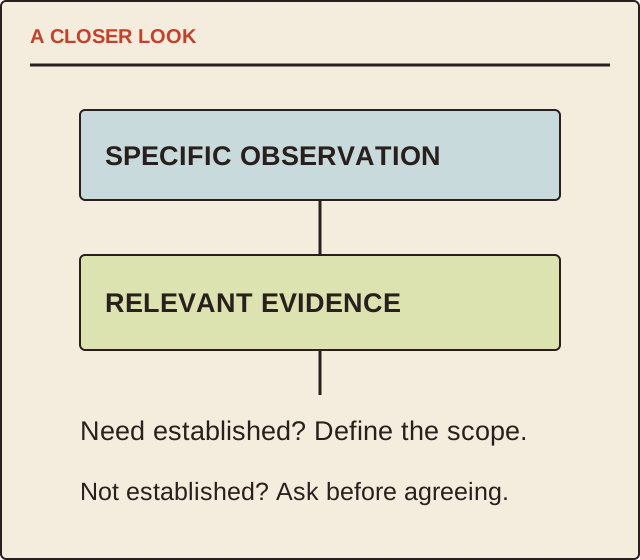
Read the map as text
A CLOSER LOOK · SPECIFIC OBSERVATION · RELEVANT EVIDENCE · Need established? Define the scope. · Not established? Ask before agreeing.
- Concern
- Evidence
- Scope
- Acceptance
Put it into practice
An illustrative quotation describes “a healthier home” but identifies no observed duct condition. The resident asks the provider to identify the affected component and the basis for the recommendation. The record stays at “need not established” until that question is answered. No diagnosis, inspection finding or improved health outcome is invented for the example.
Illustrative example, not a reported client project or test.
Your take-away checklist
Ask for evidence before agreeing to air-duct cleaning
- □ Concern: ____________________
- □ Evidence: ____________________
- □ Scope: ____________________
- □ Acceptance: ____________________
Before you act
This page is a consumer question sheet, not a diagnosis, mould identification, HVAC maintenance schedule or chemical-treatment instruction.
A worked record
Start with the example, then keep your own observations and confirmed information in the blank record.
- Concern
- Specific observation and locationDo not infer the cause
- Evidence
- Provider identifies the conditionExpert confirmation where needed
- Scope
- Named components and underlying issueNot just a headline promise
- Acceptance
- Evidence for the agreed workNo invented health result
Why the distinction matters
EPA separates cleaning ducts from maintaining other heating and cooling components. Its guidance notes limited evidence that cleaning ducts alone improves system efficiency. A statement about a coil or filter should not silently become a claim about every duct-cleaning service. These are US consumer sources, not a universal local regulation.
What to keep out of a DIY checklist
Do not dismantle equipment, sample suspected contamination or apply a chemical because a generic article suggests it. Ask the appropriate qualified professional about the actual system. For unexplained health symptoms, use medical advice rather than a cleaning company’s marketing explanation.
Sources & context
The earlier topic was published 2022-01-14 under the Maria Baldwin byline. The present procedure and illustrative record are by MichaelT editorial.
Source information checked 17 October 2026. Use the current requirements relevant to your situation.