A useful way through
- List the situations in which the identity will be used: a small screen, a printed page, a sign or a partner placement. Name the actual approver. Ask which assets are final and which are proposals instead of treating every file in a design folder as authorised.
- For each approved asset, record its purpose, file type, version and usage instructions supplied by the designer. Include the correct wording and any required credit. Keep font and image permissions with the handover rather than assuming a delivered file grants every possible use.
- Prepare a short use sheet showing real examples at the intended scale. Include light and dark backgrounds only where approved. Ask the designer to resolve a missing version instead of stretching, recolouring or rebuilding a logo from a screenshot.
- Have a colleague complete one representative task using only the handover. Check the resulting file with the approver, record the missing instruction and update the index. Retire superseded versions in your own workflow without deleting another person’s source files.
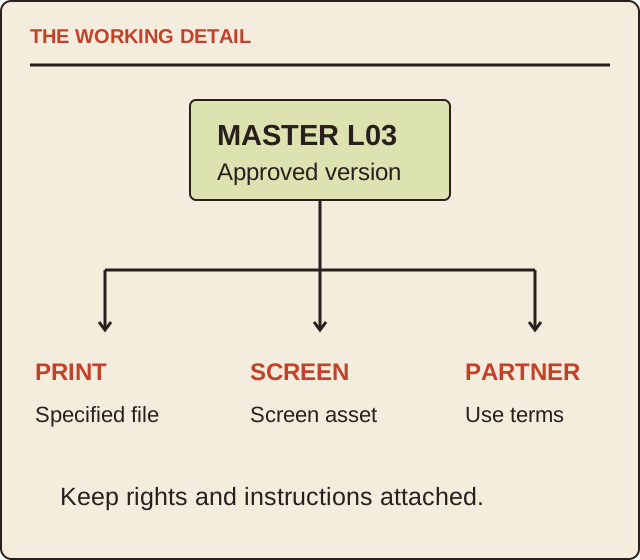
Read the map as text
THE WORKING DETAIL · MASTER L03 · Approved version · PRINT · Specified file · SCREEN · Screen asset · PARTNER · Use terms · Keep rights and instructions attached.
- Asset
- Destination
- Permission
- Test
Put it into practice
A fictional workshop receives a screen logo and a print logo with similar names. The handover index labels their intended destinations and the approved revision. A colleague preparing a letter chooses the print asset from the index. The review checks the actual proof; the existence of a brand folder alone does not establish that every outgoing item is correct.
Illustrative example, not a reported client project or test.
Your take-away checklist
Make a small brand handover someone else can use
- □ Asset: ____________________
- □ Destination: ____________________
- □ Permission: ____________________
- □ Test: ____________________
Before you act
No branding agency or commercial result is endorsed here. The handover needs the actual designer’s specifications and rights information.
A worked record
Use the example to see the decisions, then download a blank record for your own task.
- Asset
- Approved logo revision L03Identify the approver
- Destination
- Print letter / screen headerUse the intended file
- Permission
- Designer-supplied termsKeep font and image conditions
- Test
- Colleague makes one itemReview the actual output
A useful folder index
Use columns for asset, destination, filename, version, owner and restrictions. Link to the original deliverable rather than making unexplained duplicates. Add a plain-language contact for questions so people do not guess which logo or colour is current.
What brand consistency does not prove
A polished identity does not establish product quality, business legitimacy or a customer’s trust. Use it to make communications identifiable and coherent. Keep factual claims about products and services supported separately.
Sources & context
The earlier topic was published 2022-05-28 under the Maria Baldwin byline. The present procedure, examples and diagrams are new work by MichaelT editorial; they do not attribute a new test or professional assessment to the earlier author.