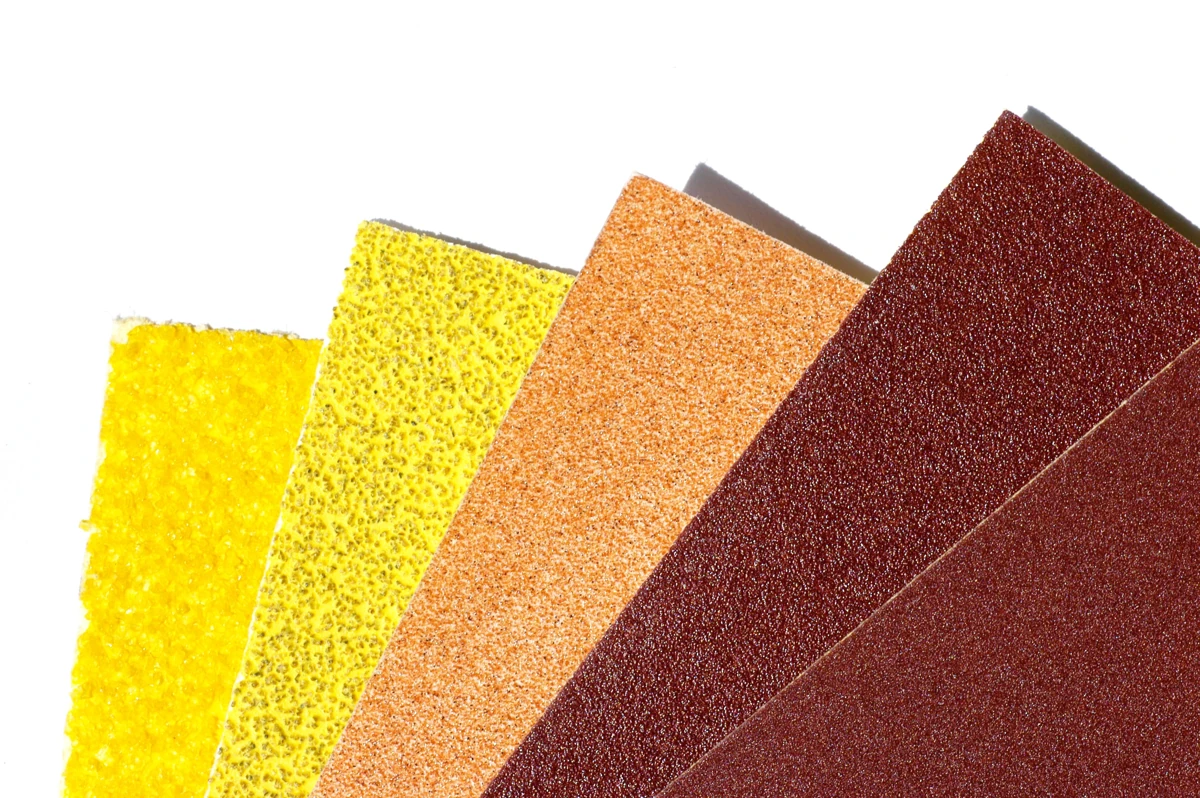

A useful way through
- Copy the complete abrasive designation from the package or product sheet, including any letter prefix, product family and part number. Keep a photograph of the label. A bare number from a search listing is incomplete information.
- Check the manufacturer’s listed applications, backing, dimensions and permitted method. For example, Mirka’s WPF Pro sheet lists P-prefixed grit options and identifies a manual wet-sanding product. That does not establish that every sheet with the same number suits woodturning or powered equipment.
- Ask the supplier to resolve any proposed substitution using the actual substrate, finish and equipment instructions. Keep different grading systems distinct unless a relevant manufacturer comparison supports the mapping. Do not silently treat P3000 and an unqualified 3000 as identical products.
- Retain a labelled offcut or sample record where appropriate, with the approved task and relevant instructions. Stop at an unresolved compatibility question. Dust, coatings, machinery and protective arrangements require the proper product and workplace guidance; a grit list is not a safe operating method.
Read the map as text
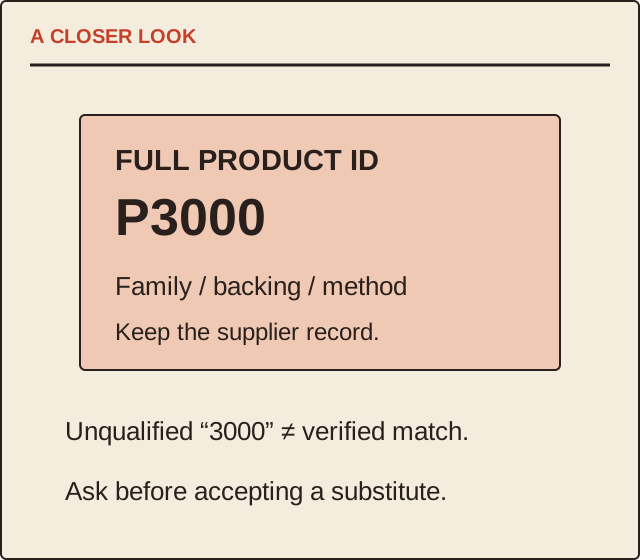
A CLOSER LOOK · FULL PRODUCT ID · P3000 · Family / backing / method · Keep the supplier record. · Unqualified “3000” ≠ verified match. · Ask before accepting a substitute.
- Identity
- Grade
- Application
- Substitution
Put it into practice
A fictional order requests a particular P-prefixed manual sheet. A substitute arrives labelled only “3000” on the seller’s loose sleeve. The recipient records the supplier, package and missing product identity, then asks for the manufacturer’s specification. The substitute is not approved simply because its number resembles the order.
Illustrative example, not a reported client project or test.
Your take-away checklist
Identify an abrasive by its full product code, not a bare grit number
- □ Identity: ____________________
- □ Grade: ____________________
- □ Application: ____________________
- □ Substitution: ____________________
Before you act
Use equipment, coating and abrasive safety instructions. No powered-tool procedure or dust-exposure assessment is provided.
A worked record
Start with the example, then keep your own observations and confirmed information in the blank record.
- Identity
- Manufacturer + product familyKeep package and part number
- Grade
- Full marking including prefixNo silent system conversion
- Application
- Actual substrate and finishCheck product instructions
- Substitution
- Specification unresolvedAsk before approval
A useful sample card
Record product code, size, grading mark, backing and the document used to approve it. Link the sample to the job revision. This lets a later buyer request the same item without relying on colour, which is not a universal grading system.
What was corrected from the earlier article
The old text mixed 3000 with 300 and attached an unsupported medieval origin to a modern grit designation. Those statements are not repeated. This page helps identify a product; it does not prescribe a sanding sequence, claim a finish result or teach operation of a lathe.
Sources & context
The earlier topic was published 2021-12-08 under the Maria Baldwin byline. The present procedure and illustrative record are by MichaelT editorial.
Source information checked 17 October 2026. Use the current requirements relevant to your situation.