
A useful way through
- Identify the exact product and version, including the maker’s concentration description where supplied. Record the sample source and information date. Similar names or packaging do not establish that two samples contain the same product.
- Follow the maker’s directions and warnings for the actual sample. Choose a considerate setting and avoid exposing other people without agreement. Do not use this exercise to test an allergy, infer health benefits or override advice about a known sensitivity.
- Record your initial impression and a later observation with the conditions and time noted. Use your own descriptive words rather than copying a marketing pyramid as an experience you actually had. Keep an untried product marked untried.
- Compare the sample with your intended use and preferences before considering a purchase. Check the actual size, price basis and terms. Do not infer guaranteed longevity, a better mood or another person’s reaction from concentration wording or cost.
Read the map as text
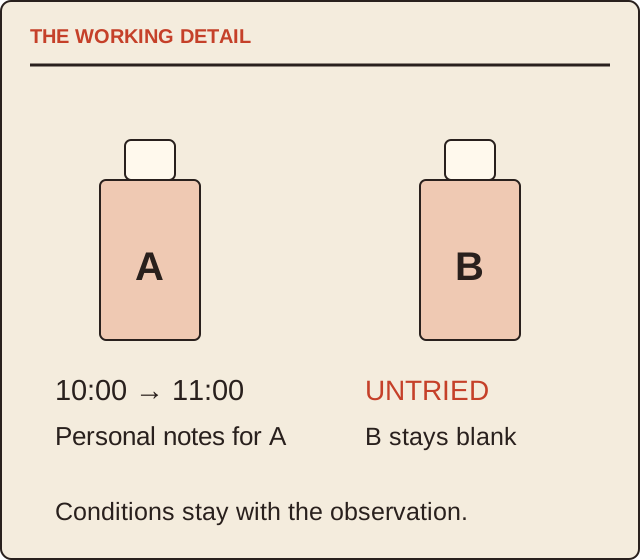
THE WORKING DETAIL · A · B · 10:00 → 11:00 · Personal notes for A · UNTRIED · B stays blank · Conditions stay with the observation.
- Identity
- Conditions
- Observation
- Decision
Put it into practice
In a fictional notebook, sample A is recorded on a blotter at 10:00 and revisited at 11:00. The writer notes a personal impression and the changed conditions. Sample B has not been tried and stays blank. The table does not invent a side-by-side test or claim that either fragrance will last all day on everyone.
Illustrative example, not a reported client project or test.
Your take-away checklist
Keep a fragrance sample notebook without turning preference into a promise
- □ Identity: ____________________
- □ Conditions: ____________________
- □ Observation: ____________________
- □ Decision: ____________________
Before you act
This is a personal observation method, not an allergy test, health claim or reported MichaelT product trial.
A worked record
Use the example to see the decisions, then download a blank record for your own task.
- Identity
- Exact product and sampleKeep the source
- Conditions
- Blotter / time / settingFollow maker instructions
- Observation
- Your own wordsNot a copied performance claim
- Decision
- Preference and intended useUntried remains untried
A practical comparison sheet
Use sample identifier, product version, source, conditions, observation time, personal description and next question. Keep testing conditions visible. A preference can be useful without a numeric score that suggests a laboratory measurement.
Treat gifts differently
A recipient’s preferences, sensitivities and return options matter more than a generic assertion that an expensive scent impresses everyone. A sample or an agreed choice may answer the actual question better than guessing from a bottle photograph.
Sources & context
The earlier topic was published 2021-02-12 under the Maria Baldwin byline. The present procedure, examples and diagrams are new work by MichaelT editorial; they do not attribute a new test or professional assessment to the earlier author.