Everyday / 01
Tent quotations differ because the quoted objects differ. Compare a usable event setup, including access, flooring and responsibilities, rather than a fabric roof alone.
Read the guide ↗Everyday / 02
A useful cutting board fits your worktop, stays stable and suits the way you clean. Material labels alone do not settle the choice.
Read the guide ↗Everyday / 03
An event plan is more useful when it describes what guests and staff will actually do. A schedule of speeches is only one part of that journey.
Read the guide ↗Everyday / 04
Care starts with the label on the actual garment. A generic cashmere tip cannot override its construction, trims or manufacturer’s instructions.
Read the guide ↗Everyday / 05
A candle is a fragrance, a container and an open flame. Choose it with the intended room, household and manufacturer’s safety instructions in mind.
Read the guide ↗Everyday / 06
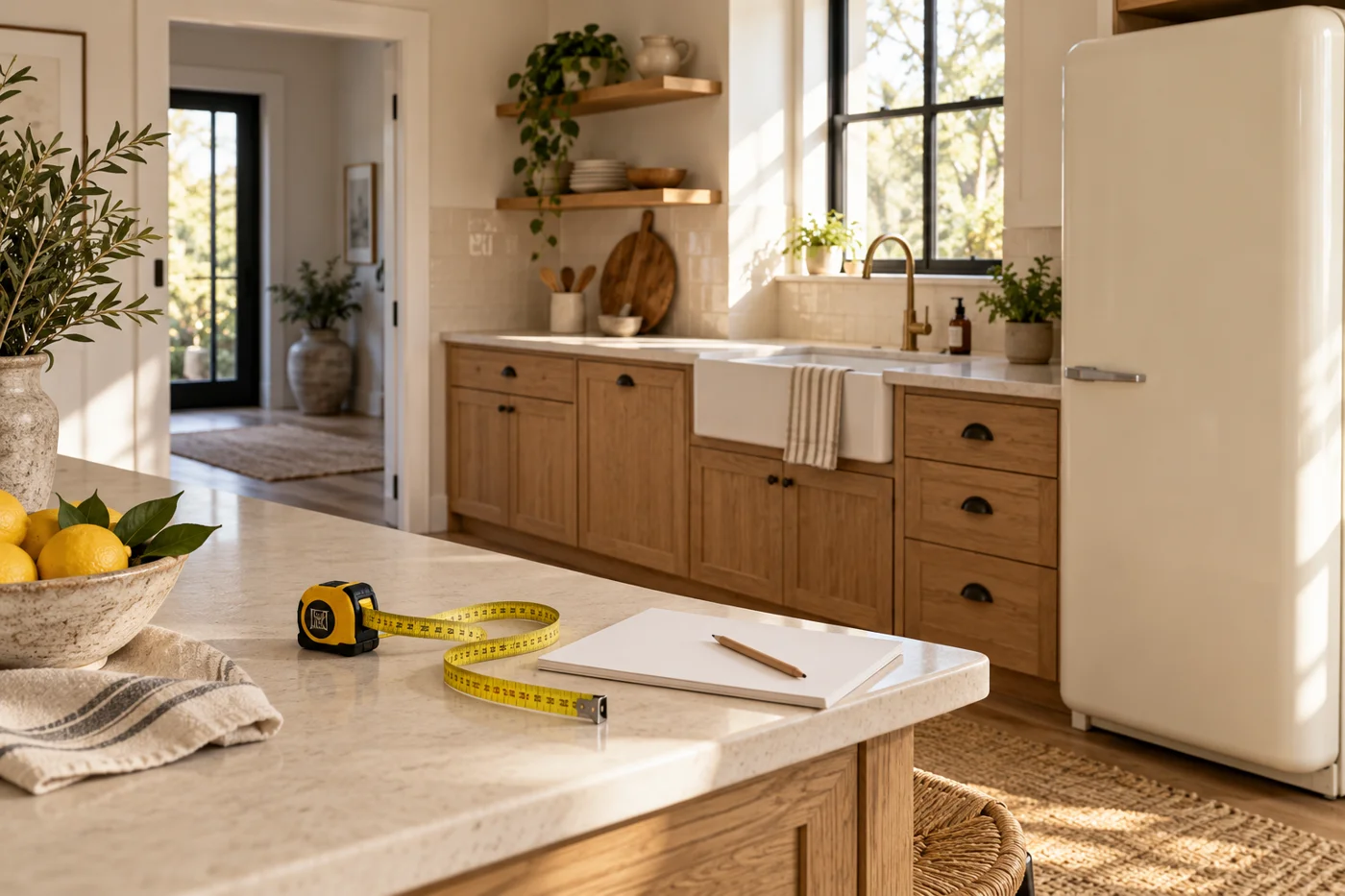
An appliance must fit the installation space, the delivery route and the way it will be used. Compare the complete purchase before ordering.
Read the guide ↗Everyday / 07
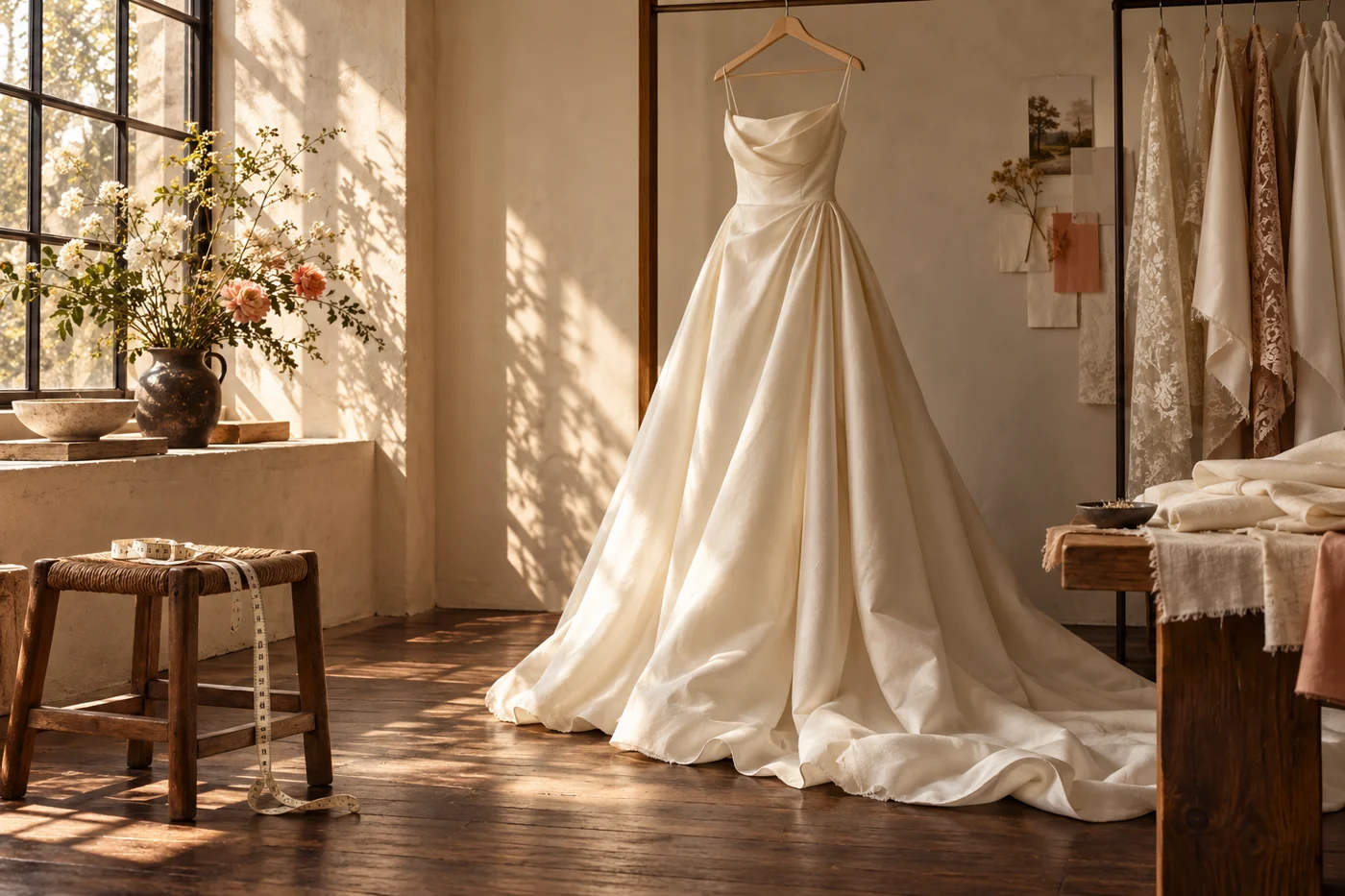
A dress budget includes more than the garment price. Time, alterations, accessories and the conditions of the order all affect the decision.
Read the guide ↗Everyday / 08
A clear listing makes the vehicle and the evidence easy to inspect. It should describe known condition honestly and avoid unsupported guarantees.
Read the guide ↗Everyday / 09
A hobby does not have to become another ambitious project plan. Start with a session small enough to prepare, do and put away in the time you actually have.
Read the guide ↗Everyday / 10
An artificial arrangement is an object with dimensions, materials and handling requirements. Compare it in the setting where it will be used, not only in a supplier’s close-up picture.
Read the guide ↗Everyday / 11
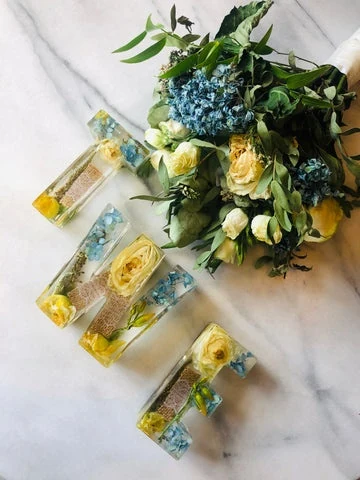
Choose a flat pressed specimen or a three-dimensional dried arrangement, then keep a simple condition record.
Read the guide ↗Everyday / 12
Keep the setup consistent so your notes describe what you observed, rather than an elaborate collection of accessories.
Read the guide ↗Everyday / 13
Plan the destination, image permissions and grid before opening a collage editor.
Read the guide ↗Everyday / 14
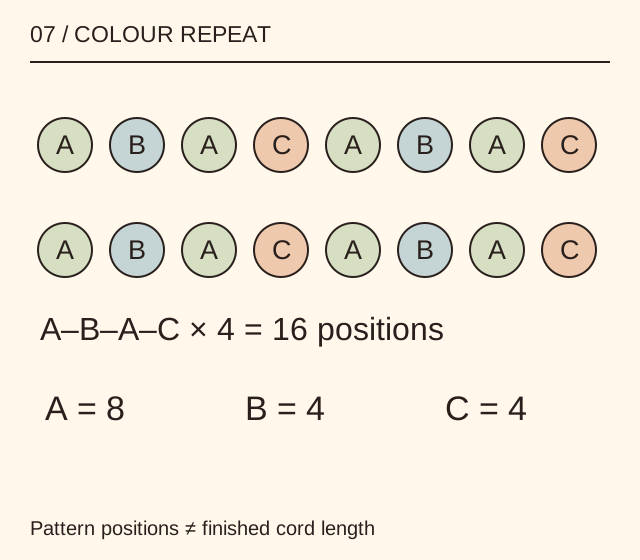
Use names, sample lengths and a pattern record so a small decorative cord project can be repeated.
Read the guide ↗Everyday / 15
Separate what you can see, what the label establishes and what you think it might mean.
Read the guide ↗Everyday / 16
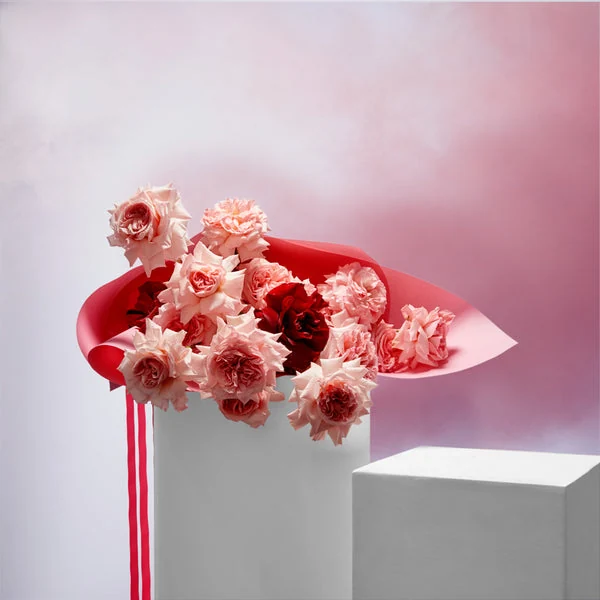
Confirm the recipient, time window, substitution choices and handover conditions with the actual florist.
Read the guide ↗Everyday / 17
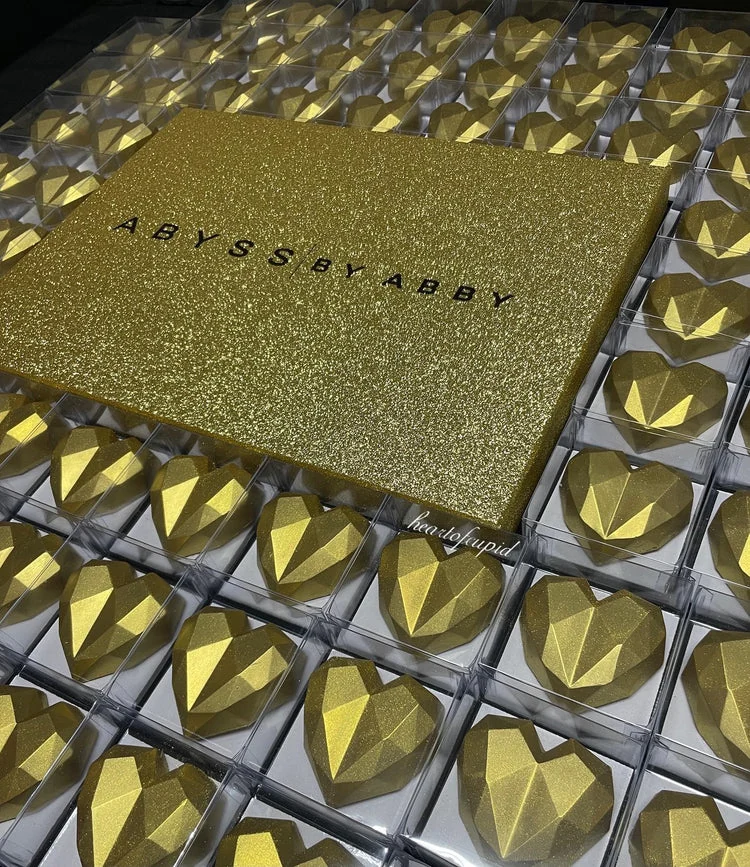
Count recipients, packs, labels and distribution separately so a small gift does not become a last-minute packing problem.
Read the guide ↗Everyday / 18
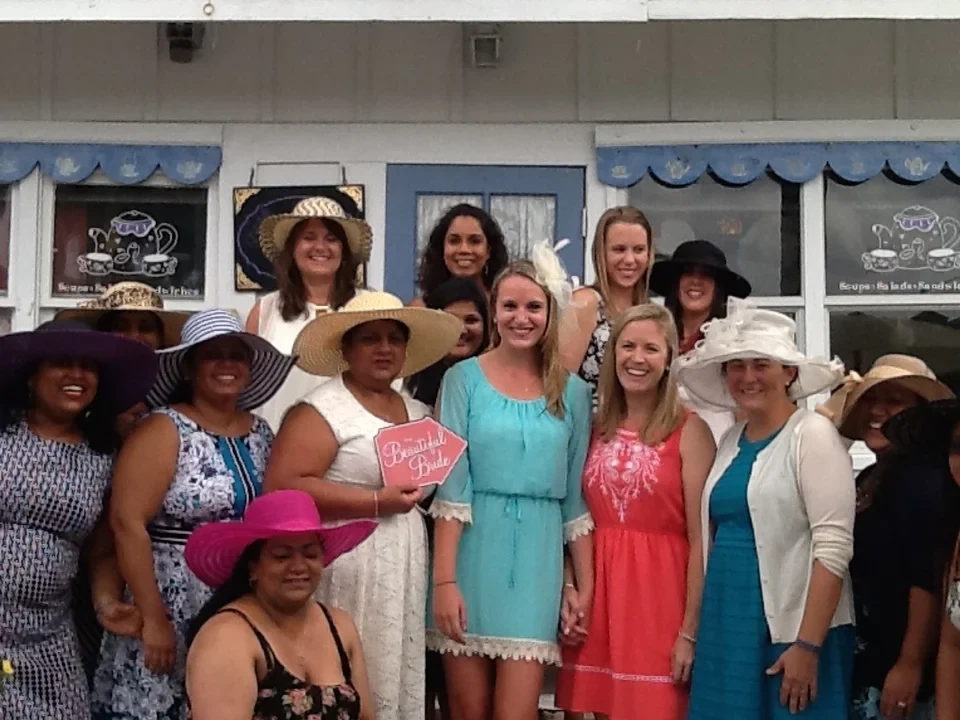
Build the invitation, seating, serving sequence and borrowed-item return into one manageable plan.
Read the guide ↗Everyday / 19
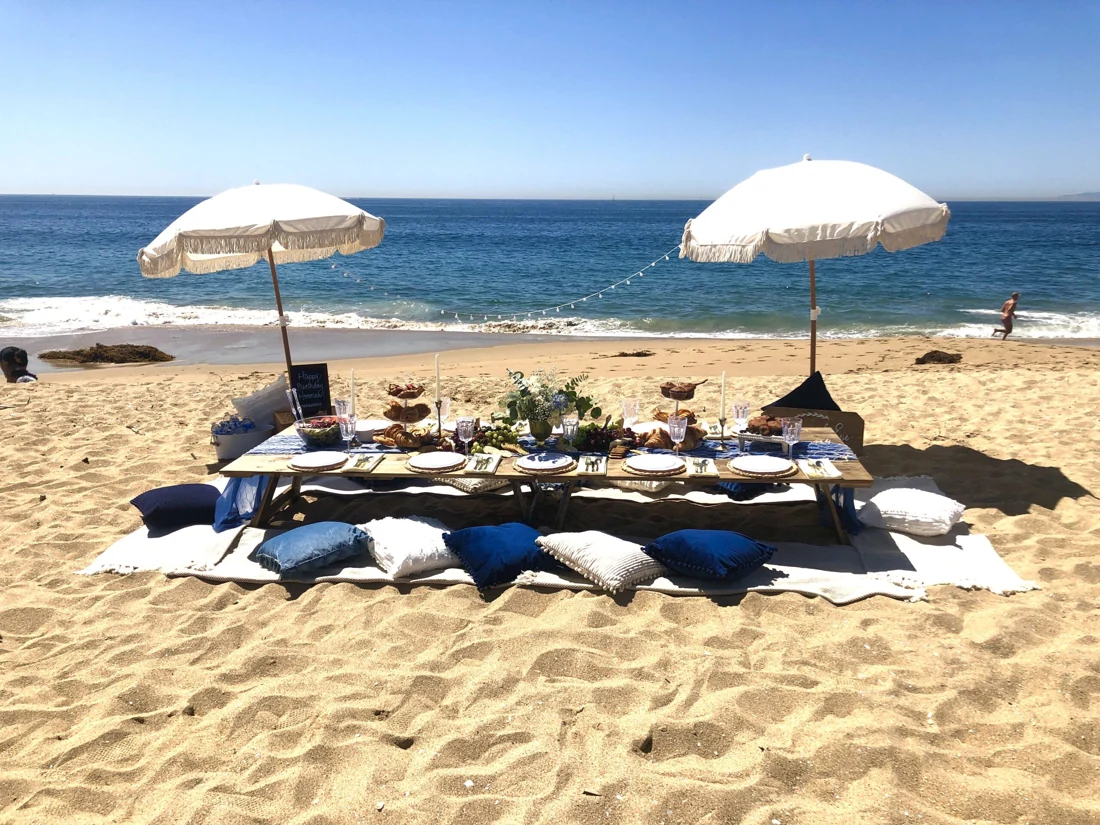
Make the carrying plan and safe food arrangements before choosing decorative extras.
Read the guide ↗Everyday / 20
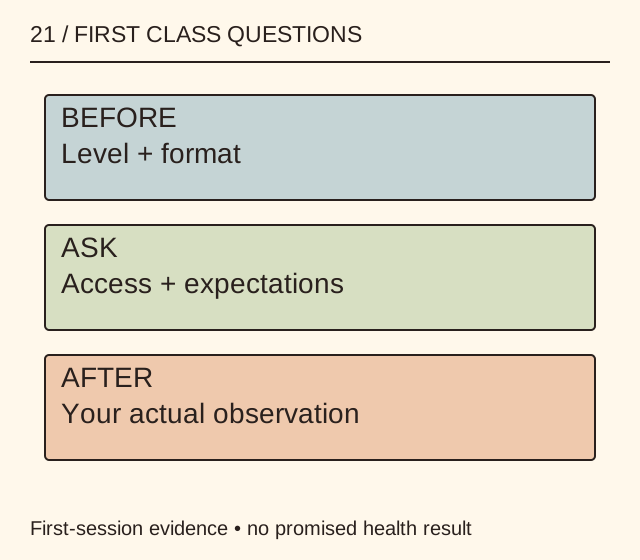
Ask about level, format, access and expectations, then record a real first-session observation.
Read the guide ↗Everyday / 21
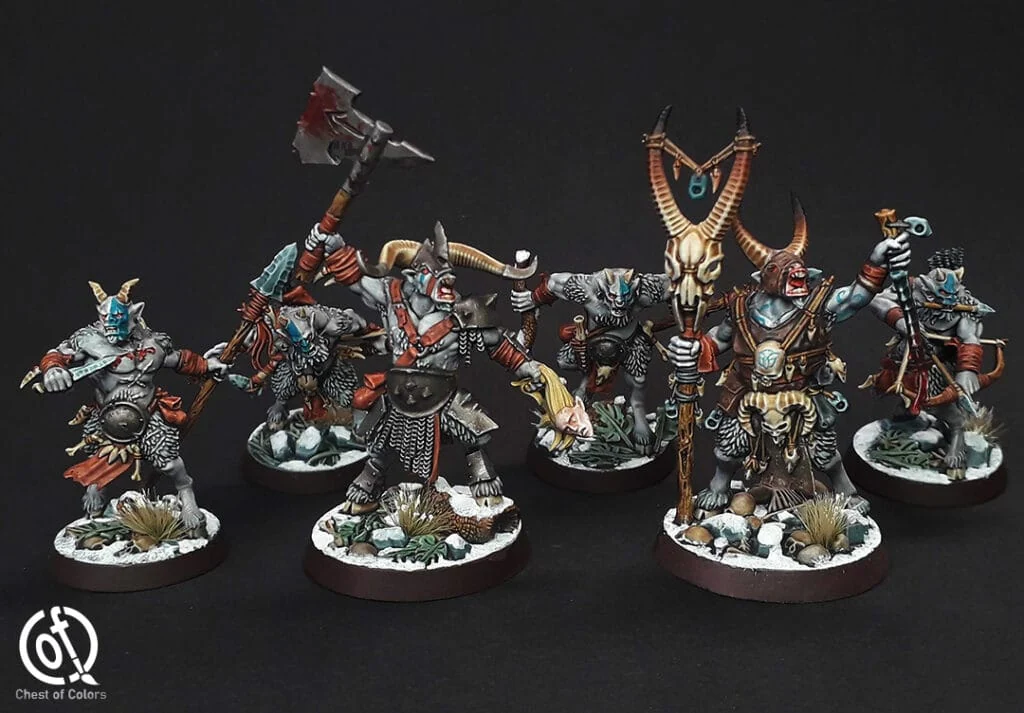
Choose a small model project and a repeatable record before buying a large collection of supplies.
Read the guide ↗Everyday / 22
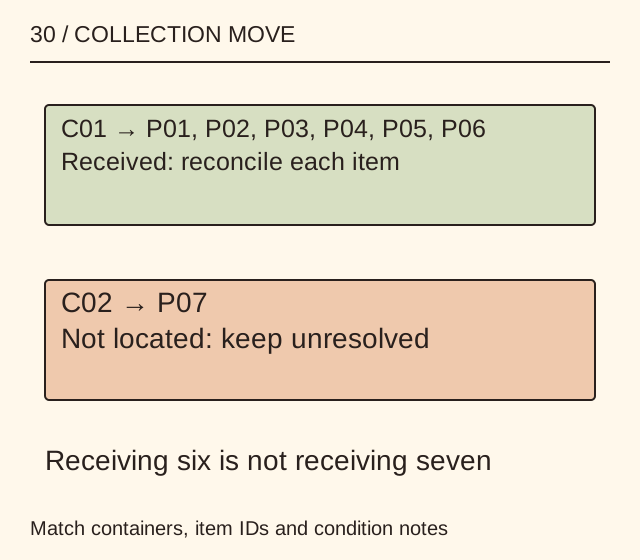
Keep identity, packing location and receipt checks connected so missing context does not travel in separate notebooks.
Read the guide ↗Everyday / 23
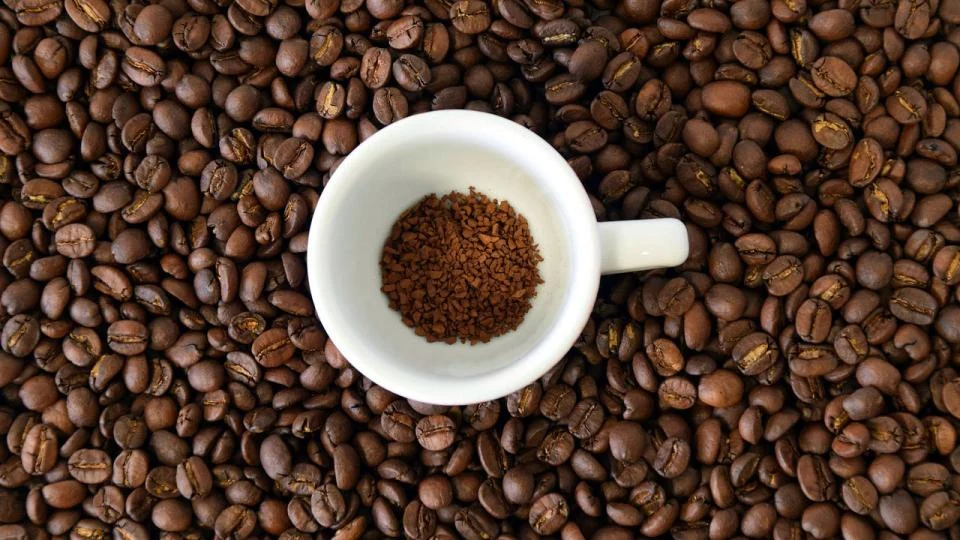
Write the actual amounts and method beside your observation before deciding what to change in the next cup.
Read the guide ↗Everyday / 24
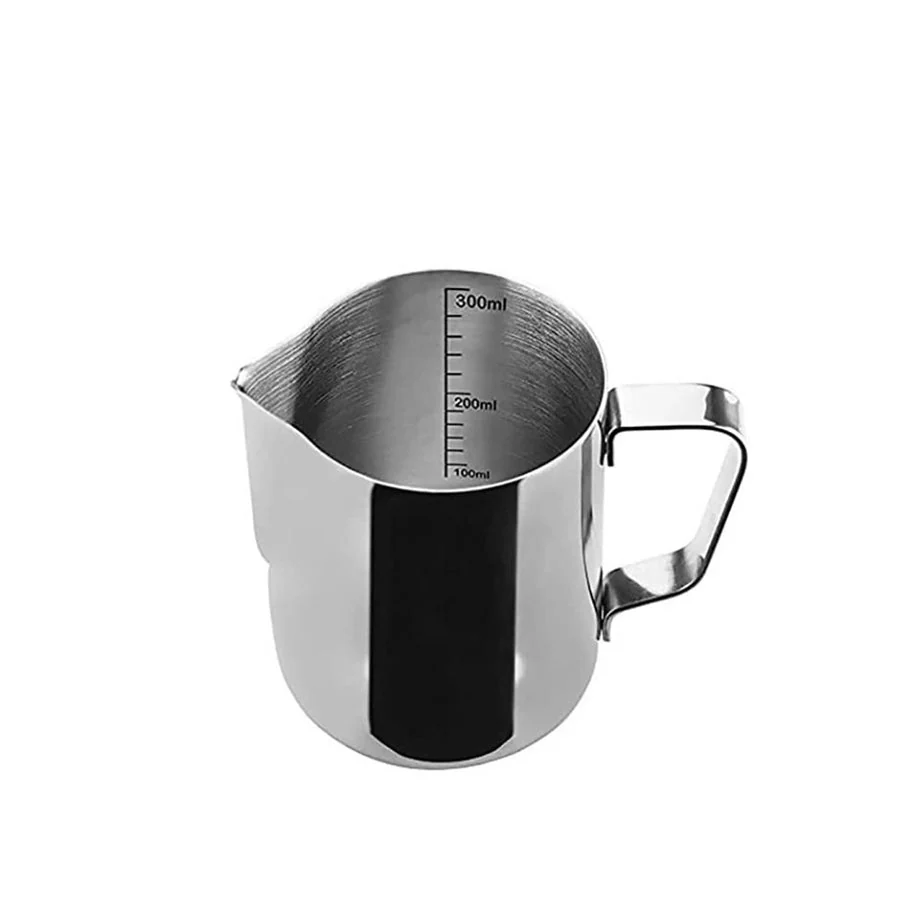
Keep nominal capacity, usable fill instructions and physical fit as separate product questions.
Read the guide ↗Everyday / 25
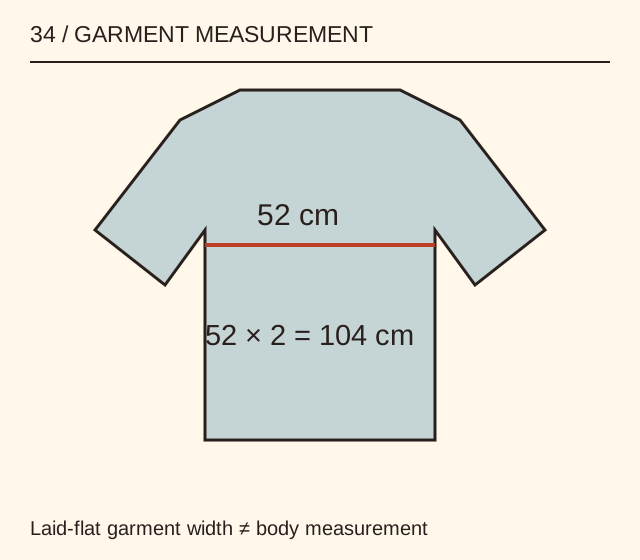
Use the same measuring points as the seller and keep body measurements separate from garment dimensions.
Read the guide ↗