A useful way through
- Find the actual garment’s size chart and measurement diagram. Confirm whether the chart describes a body or the finished garment. A label such as M or L is not a dimension and should not be transferred between brands without checking.
- Measure a suitable garment you own using the same points and method as the seller. Record whether an item is laid flat, stretched or measured around its full circumference. Keep length, chest width and sleeve method explicit. A vague “chest 52” cannot tell the reader what was measured.
- Compare like with like and identify the desired fit without promising that one number settles it. Fabric, construction and the wearer’s preferences matter. Ask the seller about uncertain measurements, variation and the actual returns terms before ordering.
- Keep the chart version, chosen size and reason together. On receipt, check the actual item and use the seller’s route if something differs. Avoid the older source’s body-shape judgements and blanket claims about warmth, quality or suitability.
Read the map as text
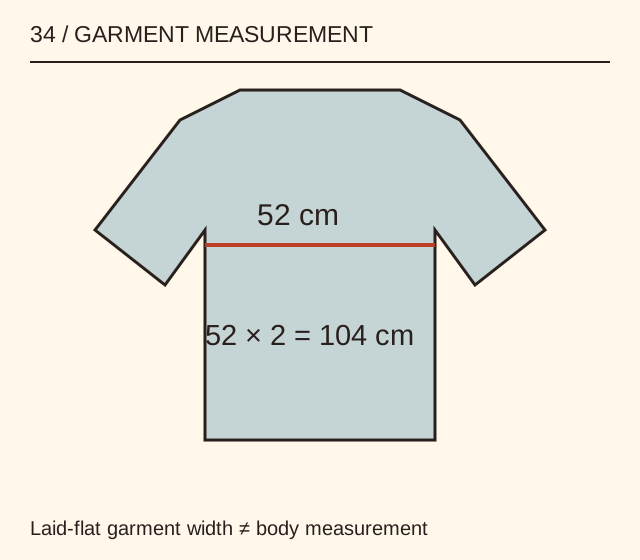
34 / GARMENT MEASUREMENT · 52 cm · 52 × 2 = 104 cm · Laid-flat garment width ≠ body measurement
- Chart type
- Chest width
- Arithmetic
- Decision
Put it into practice
A fictional chart lists a laid-flat chest width of 52 cm. Doubling that flat width gives a nominal 104 cm around the garment at that line; it is not a recommended body chest measurement. The buyer compares it with a familiar garment measured the same way and separately checks length and sleeves.
Illustrative example, not a reported client project or test.
Your take-away checklist
Compare a sweatshirt by measurement rather than the size label
- □ Chart type: ____________________
- □ Chest width: ____________________
- □ Arithmetic: ____________________
- □ Decision: ____________________
Before you act
This is a measurement-comparison procedure, not a universal size conversion or a promise that a chosen garment will fit.
A completed example record
This is the illustrative case above. Download the blank version to record your own task.
- Chart type
- Finished garmentNot a body-size recommendation
- Chest width
- 52 cm laid flatSame points as seller diagram
- Arithmetic
- 52 × 2 = 104 cmNominal garment circumference at that line
- Decision
- Compare familiar garment + lengthFit preference and return terms checked
A reference garment is a useful anchor
Choose one whose fit you understand and note what you would change. A longer body or different sleeve preference may matter even when two chest widths match.
Show what the image cannot prove
A model photograph communicates appearance, but it cannot establish a viewer’s fit. A measurement record and the actual seller’s terms answer different questions from a lifestyle image.
Sources & context
The earlier page, How To Buy Perfect Crewneck Sweatshirts, was published 2021-03-12 under the Maria Baldwin byline. This guide develops its subject into a new procedure and worked example by MichaelT editorial.