A useful way through
- Write the intended output: a demo, a finished song, a rehearsal reference or a soundtrack sketch. Name the people who approve it.
- List the material ready now and the decisions still needed. Include the expected instruments, performers and arrangement questions.
- Agree practical details with the actual studio: timing, accessible arrival, engineer, file formats, backups and revision scope.
- Create a handover checklist with file names, versions and ownership or permission questions to resolve. Keep an untouched copy of the delivered originals.
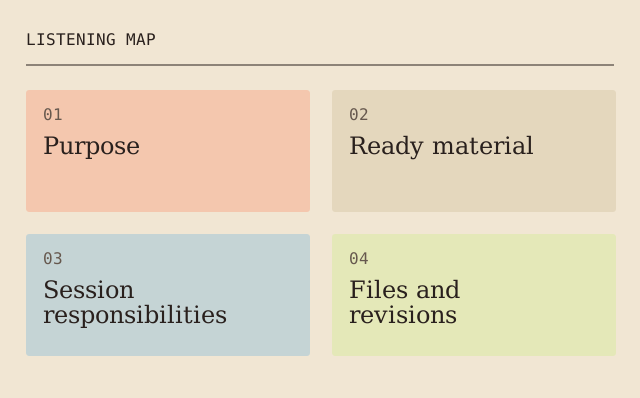
Read the map as text
LISTENING MAP · 01 · Purpose · 02 · Ready material · 03 · Session · responsibilities · 04 · Files and · revisions
- Purpose
- Ready material
- Session responsibilities
- Files and revisions
Put it into practice
A songwriter requesting a vocal-and-guitar demo needs a different session from a full-band release. Stating the output prevents a technically successful recording from answering the wrong creative brief.
Illustrative example, not a reported client project or test.
Your take-away checklist
Before a recording session: make a one-page brief
- □ Purpose: ____________________
- □ Ready material: ____________________
- □ Session responsibilities: ____________________
- □ Files and revisions: ____________________
Before you act
Use the linked artist, publisher or presenter for exact credits and current availability. These listening and planning exercises are editorial additions, not quotations from a lesson by Michael Thurber.
Sources & context
Thurber’s artist site describes a Williamsburg production suite and separate learning paths in production, songwriting, theory and bass. That description supplies context for this planning guide; equipment lists and lesson availability should be confirmed directly before any booking.