Work / 01
Build a readable event backdrop
A backdrop has to work from the back of a room and in a photograph. Start with the viewing conditions, then decide how much information belongs on it.
Read the guide ↗Work
Turn a creative request into a practical brief, a comparable proposal and an observable result.
Work / 01
A backdrop has to work from the back of a room and in a photograph. Start with the viewing conditions, then decide how much information belongs on it.
Read the guide ↗
Work / 02
The success test for an office move is whether people can do essential work afterwards. Build the move around dependencies, not a stack of labelled boxes.
Read the guide ↗Work / 03
An IT plan should explain the change people will receive, how it will be accepted and who will operate it. A list of technologies does not answer those questions.
Read the guide ↗
Work / 04
Choose a graphics card for a workload, display and computer you already understand. A model name or a single benchmark score cannot establish compatibility or value.
Read the guide ↗Work / 05
A vehicle wrap is a moving sign with seams, doors and curved panels. Plan the information around those constraints instead of enlarging a business card.
Read the guide ↗Work / 06
Every form field asks for attention and sometimes personal information. Collect only what the organiser needs to deliver the event, and explain the next step.
Read the guide ↗
Work / 07
A useful website makes an intended action understandable and possible. Visual polish matters, but it should support a visitor’s next step.
Read the guide ↗Work / 08
A development brief should turn a business request into agreed pages, behaviour and acceptance checks. It is a shared record, not a sales slogan.
Read the guide ↗Work / 09
A small commissioned object still needs a clear specification. Give the maker a shared reference for appearance, scale and approval before production starts.
Read the guide ↗Work / 10
A useful handover explains the present state, the next action and the person responsible. It should let a colleague continue without reconstructing a whole chat history.
Read the guide ↗Work / 11
Product photographs should help someone understand the actual object. Start with the questions the pictures must answer, then plan consistent views.
Read the guide ↗Work / 12
Before choosing a course, identify the skill you want to use and the evidence that the course actually gives you a chance to practise it.
Read the guide ↗Work / 13
A mobile app brief becomes useful when it explains the user task, the states between screens and what happens when something goes wrong.
Read the guide ↗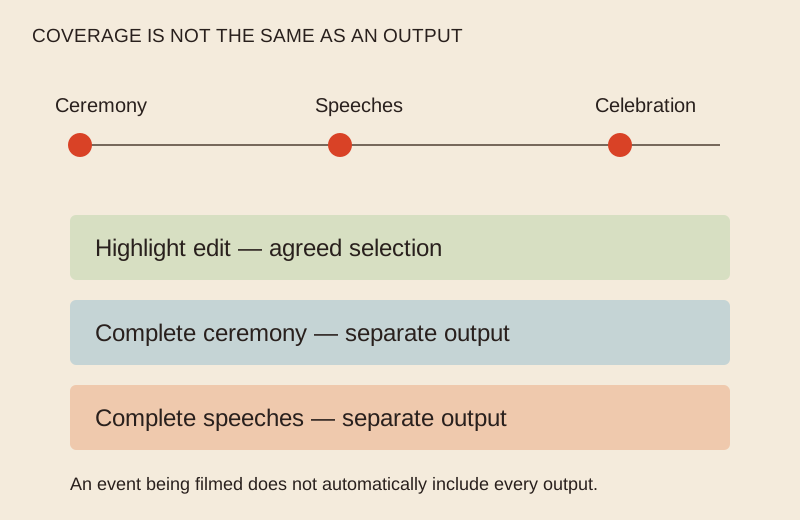
Work / 14
Translate the moments you care about into coverage, deliverables and an approval route before comparing proposals.
Read the guide ↗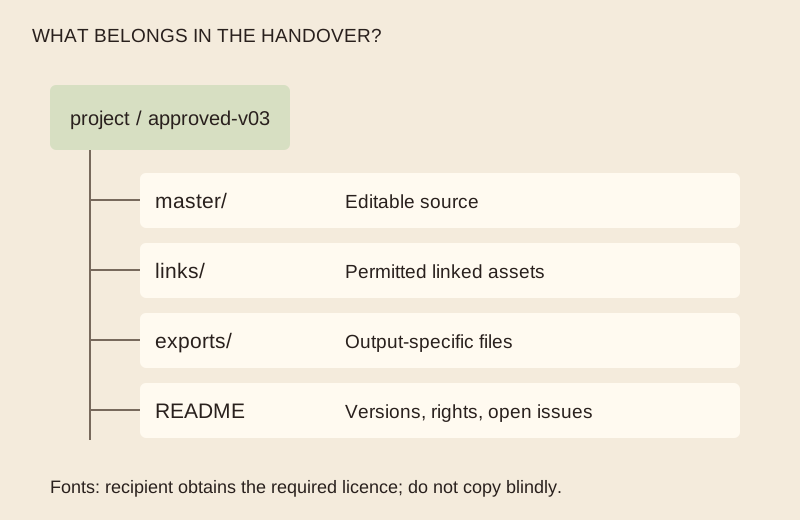
Work / 15
A finished-looking image is only one deliverable. Plan the editable files, exports, dependencies and rights as well.
Read the guide ↗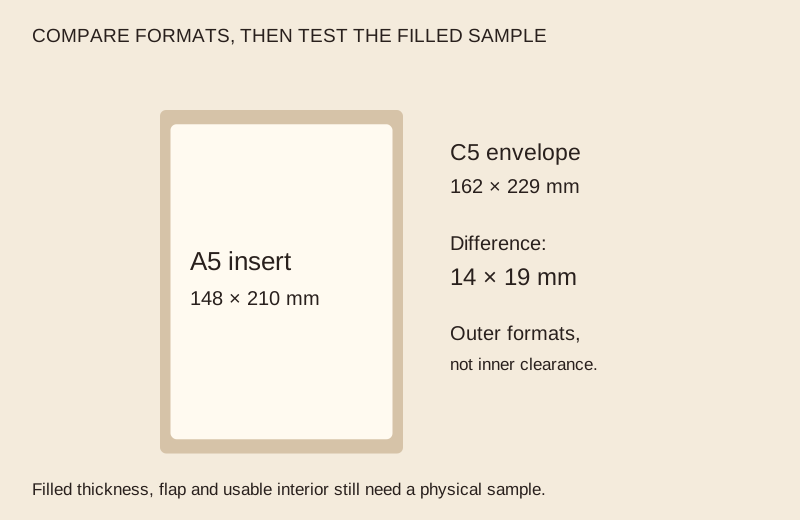
Work / 16
Test the insert, closing method and address area before approving a full print run.
Read the guide ↗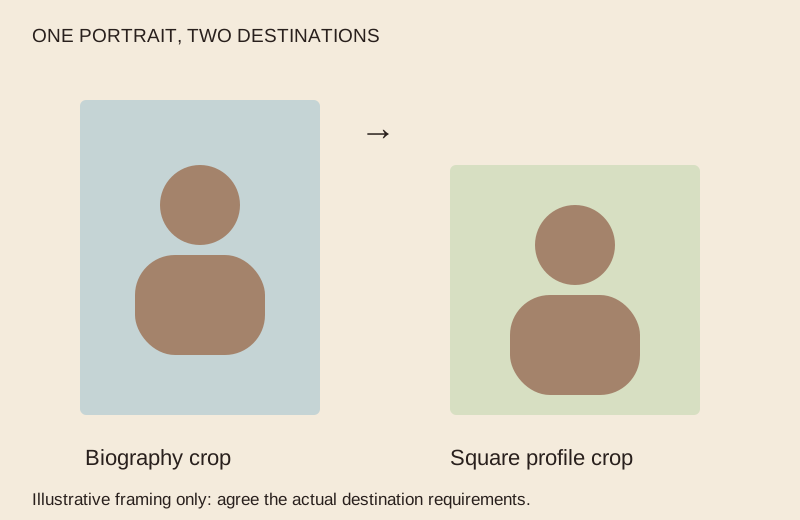
Work / 17
Agree the purpose, crop, selection and permissions without promising an audition or career result.
Read the guide ↗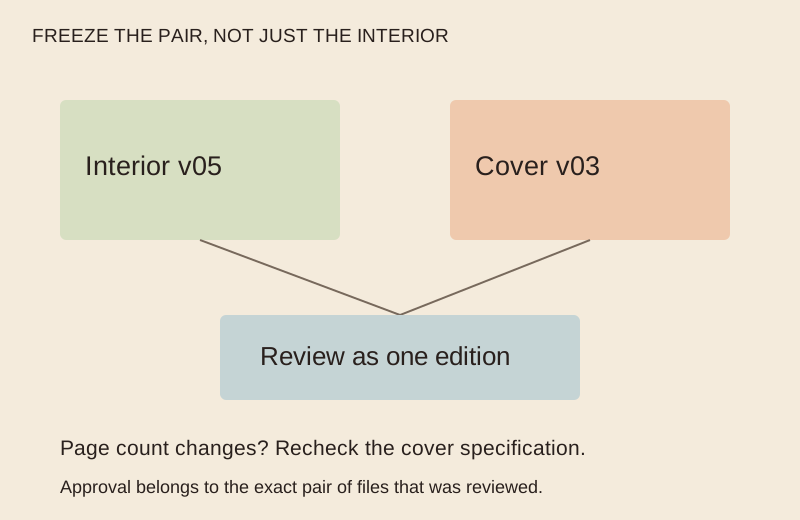
Work / 18
Separate writing, production and release so a finished file does not become an unreviewed book.
Read the guide ↗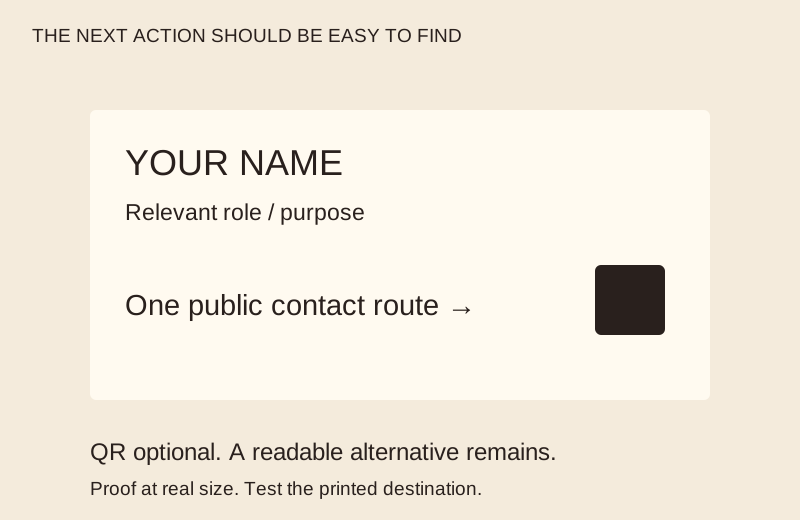
Work / 19
Use a readable contact route and a tested print proof instead of trying to fit an entire website on a card.
Read the guide ↗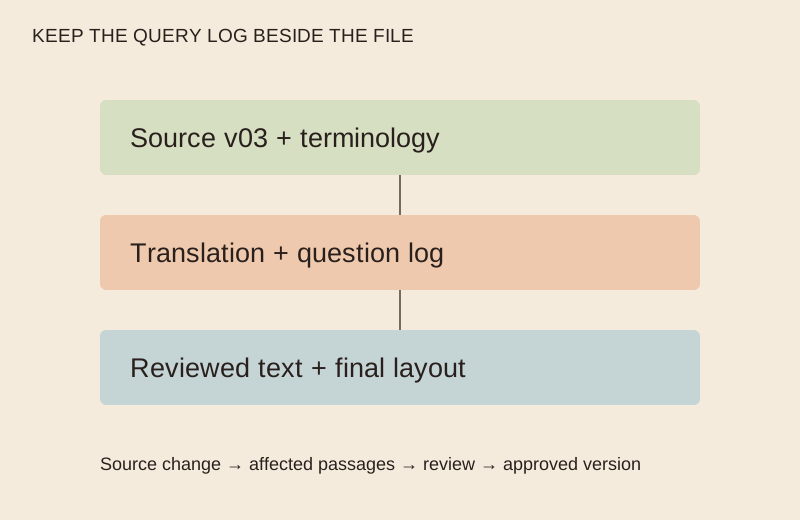
Work / 20
Give the translator context, terminology and a review route, then check the final layout as well as the words.
Read the guide ↗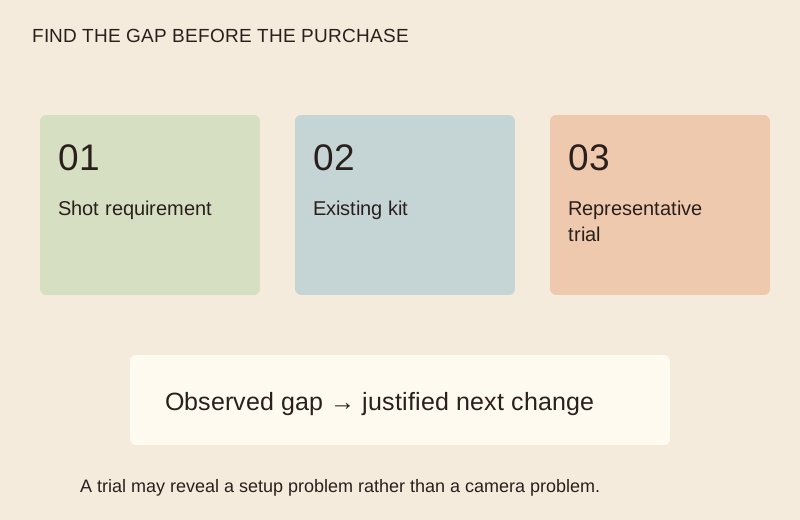
Work / 21
Start with a shot requirement and a file handover, then identify the equipment gap you actually need to solve.
Read the guide ↗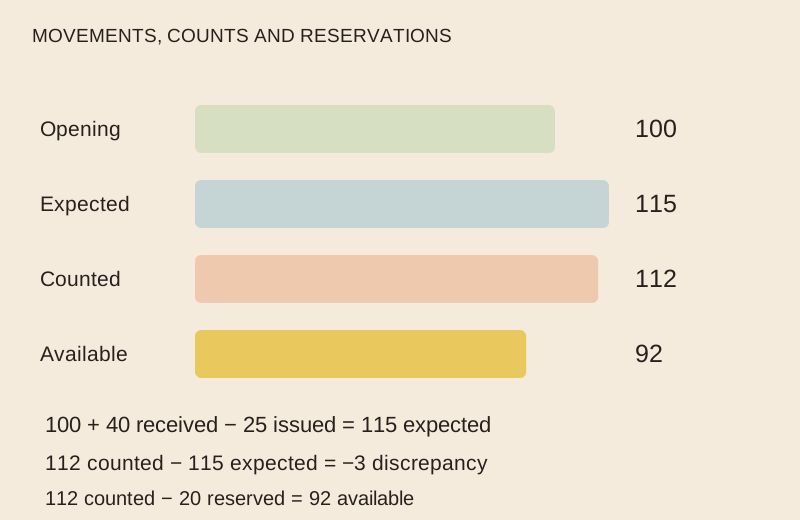
Work / 22
Separate physical stock, reserved items and a counted discrepancy before deciding what to reorder.
Read the guide ↗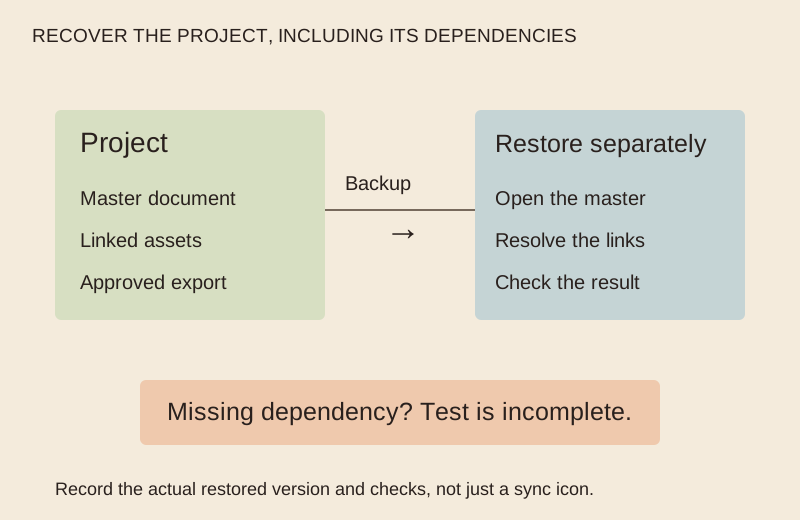
Work / 23
A useful backup plan names the files, recovery point and a safe restore check; a sync icon alone is not the test.
Read the guide ↗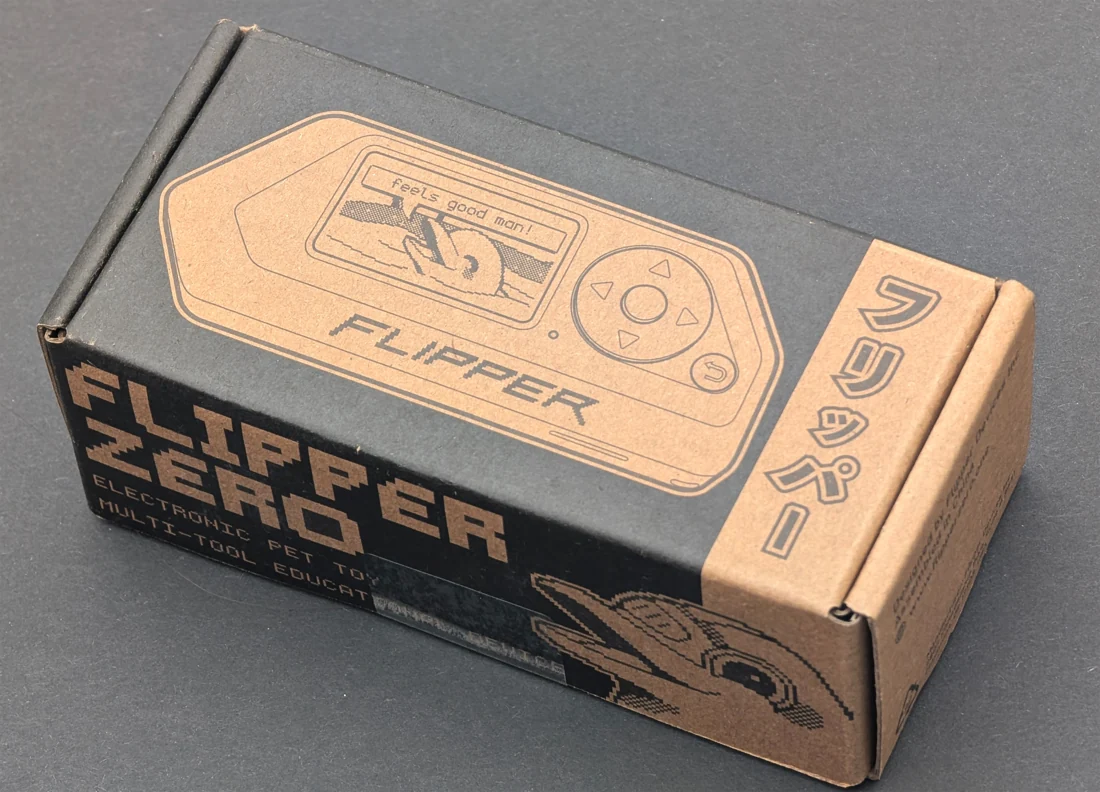
Work / 24
Check the product, inner clearance, packing sequence and opening experience with one complete sample.
Read the guide ↗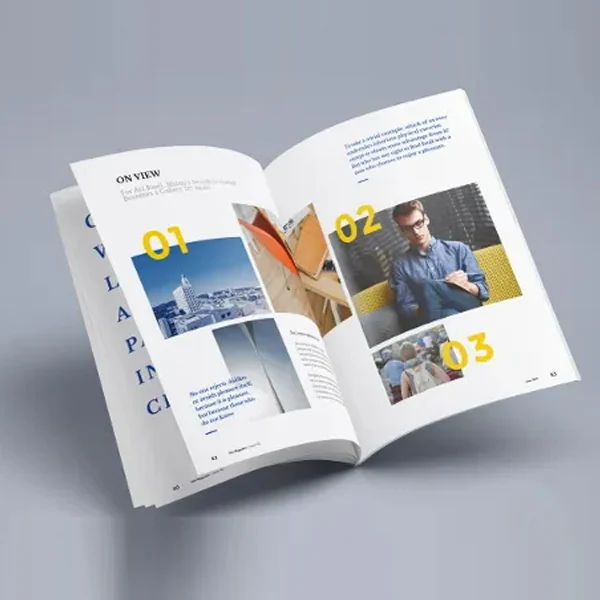
Work / 25
Separate reading order, printer imposition and the physical folded proof so a small booklet is easy to check.
Read the guide ↗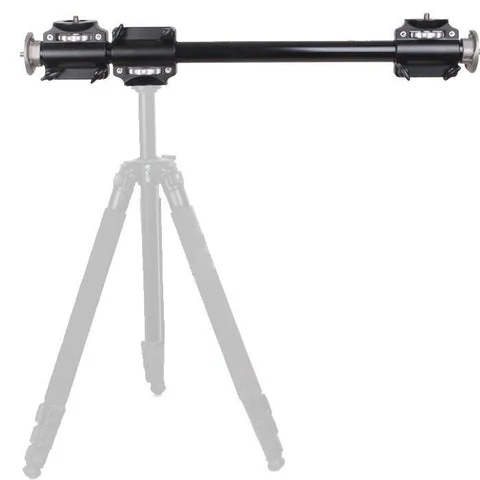
Work / 26
Compare the camera, head, plate, support and working footprint before relying on a tripod or monopod.
Read the guide ↗
Work / 27
Agree the spaces, viewpoints, permissions and final files before the photographer arrives.
Read the guide ↗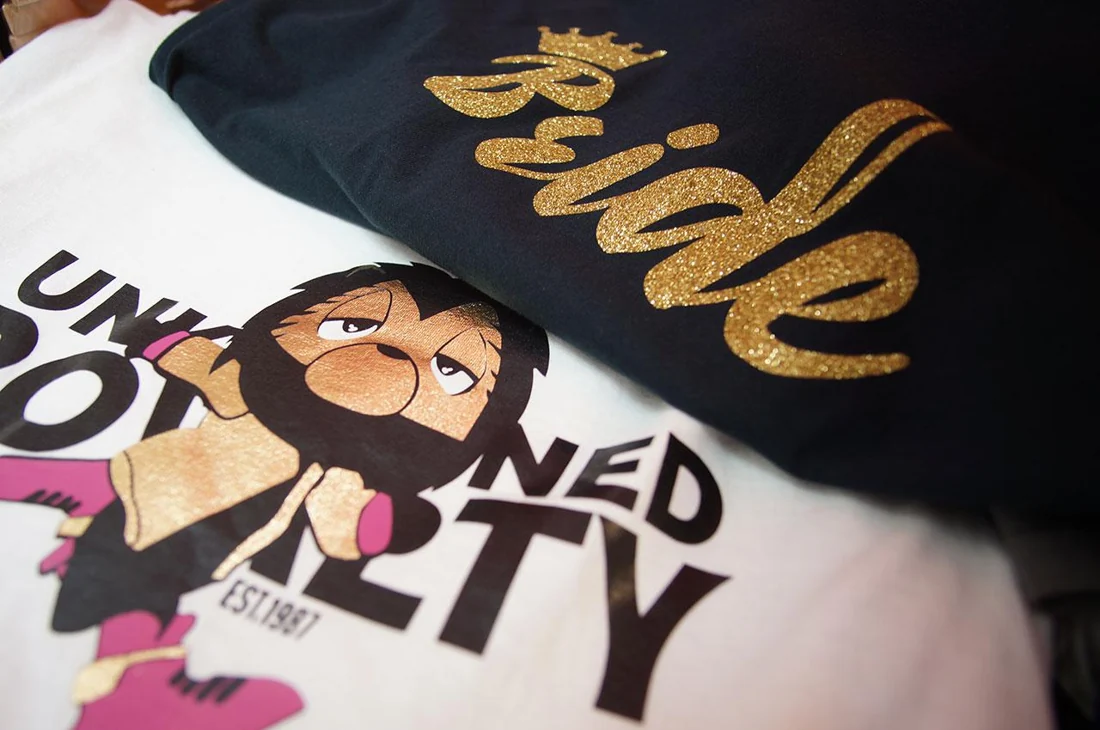
Work / 28
Keep the garment, artwork, position and quantity linked so the order describes one reproducible result.
Read the guide ↗
Work / 29
Describe the view, transmitted light, privacy and pattern at the actual location before approving a decorative glass design.
Read the guide ↗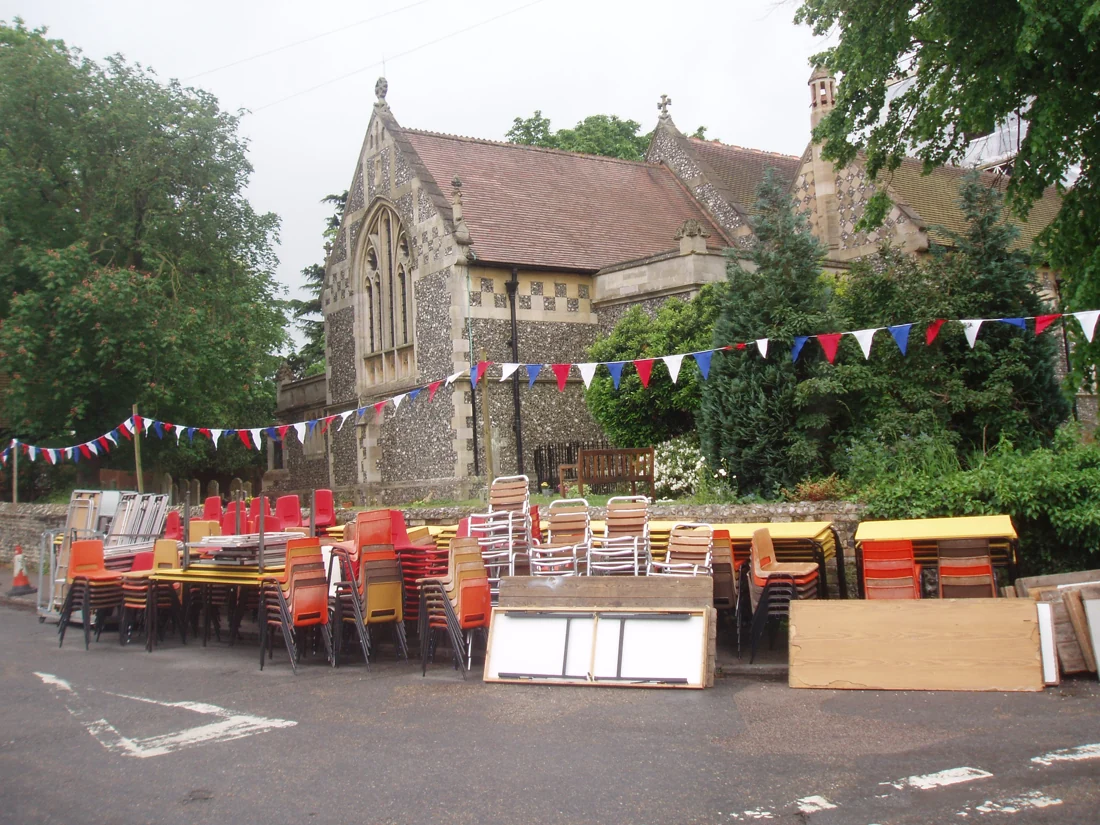
Work / 30
Link the delivery count, setup location, collection window and final return so hired pieces remain traceable.
Read the guide ↗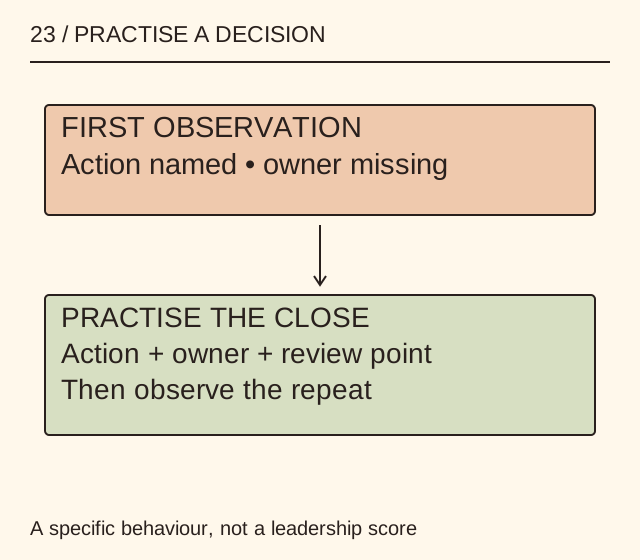
Work / 31
Choose one action, a short scenario and an evidence-based debrief instead of promising a complete leadership transformation.
Read the guide ↗
Work / 32
Ask which language and access arrangements participants need, then plan the interpreter’s information and sightlines.
Read the guide ↗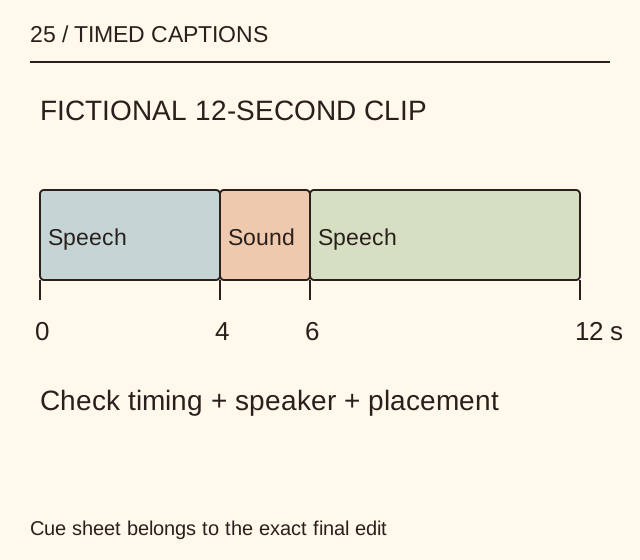
Work / 33
Connect the spoken message, meaningful sounds and visual content before approving a captioned edit.
Read the guide ↗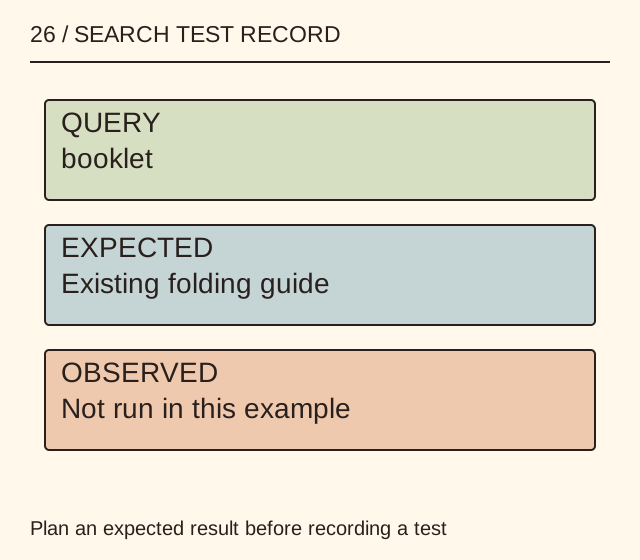
Work / 34
Turn a search complaint into a repeatable check of the page a visitor is trying to find.
Read the guide ↗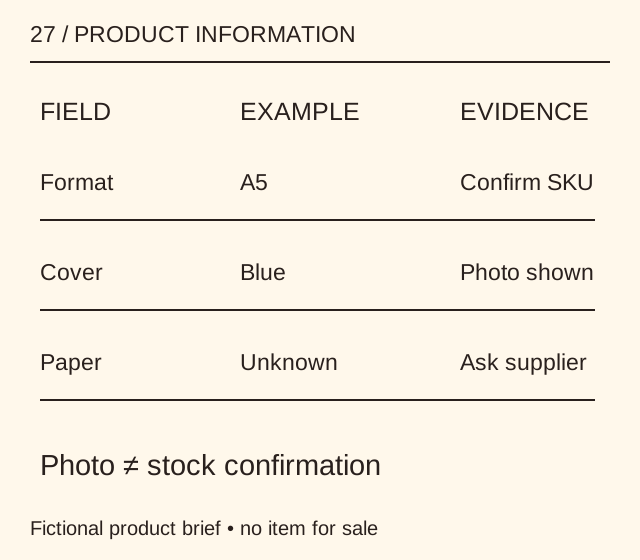
Work / 35
Separate facts about the product, the chosen variant and the transaction before commissioning a page.
Read the guide ↗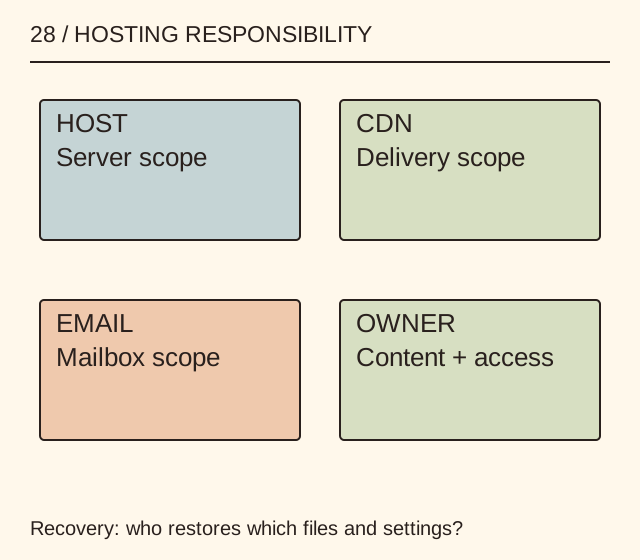
Work / 36
Ask who handles each operational task and how the site can leave before comparing a headline monthly price.
Read the guide ↗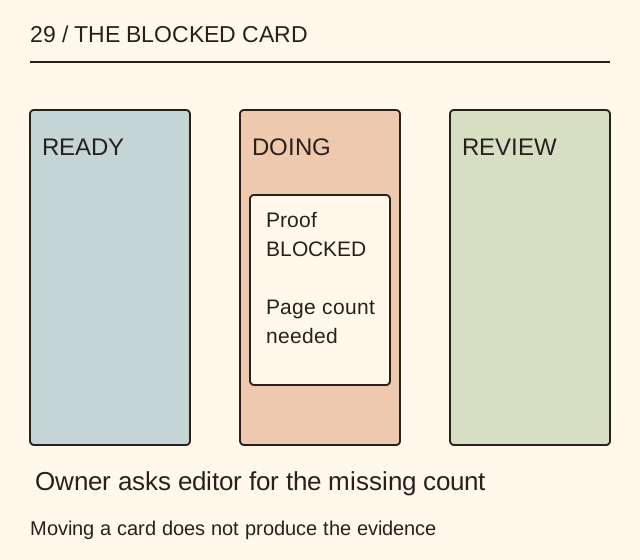
Work / 37
Give each card an owner, a finish condition and an explicit blocker instead of adding another vague status column.
Read the guide ↗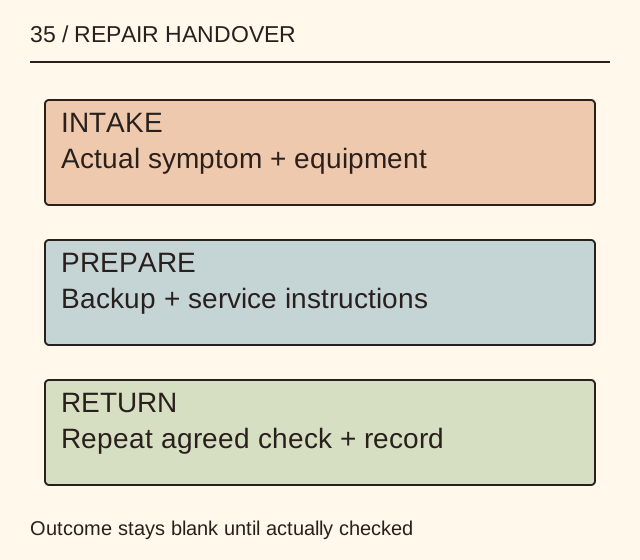
Work / 38
Give the repairer a reproducible problem and agree the data and equipment handover without sharing unnecessary secrets.
Read the guide ↗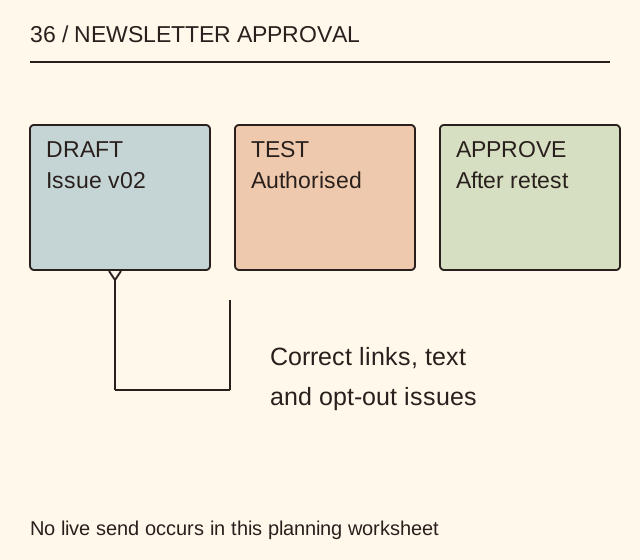
Work / 39
Check the message, permission route and working opt-out before an issue reaches real subscribers.
Read the guide ↗