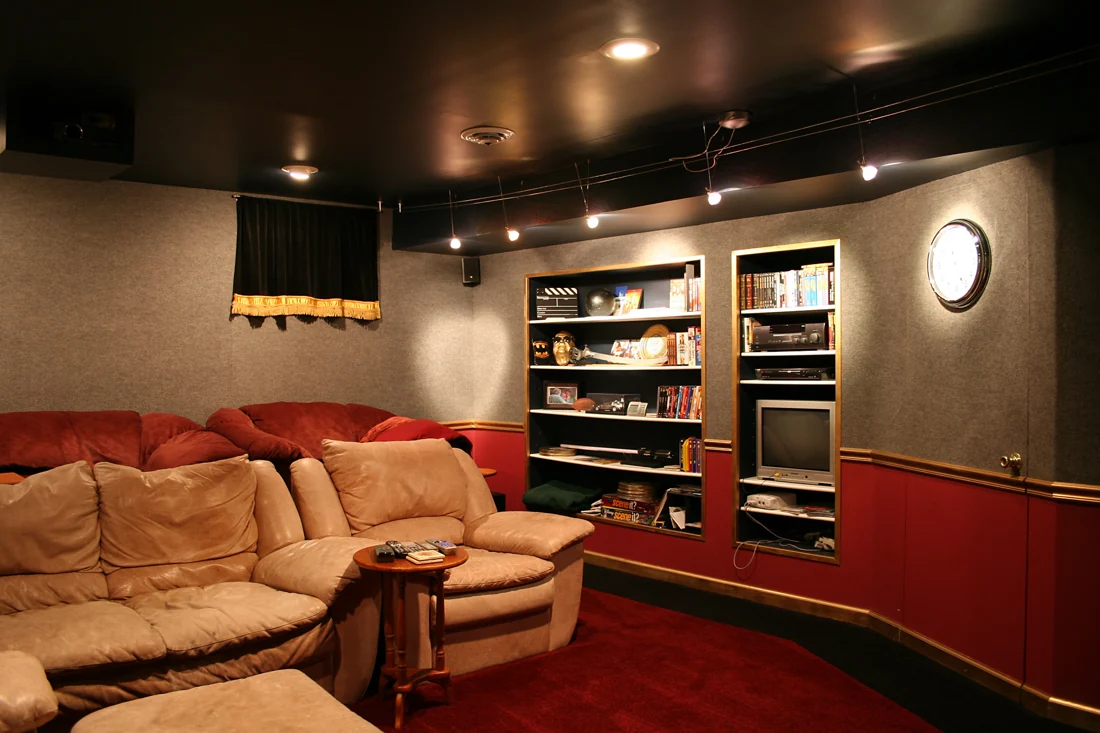
Spaces
Brief a home listening and viewing setup around real connections
Map sources, devices, listening positions and required controls before discussing installation.
Read the guide ↗Practical routes
Measured examples, evidence-aware buying and practical briefs for the objects around you.
Complete examples, a blank record to keep and a drawing that explains the decision.
Check openings, moving parts and routes as well as overall size. A large internal compartment may still have a narrow entrance.
A photograph or familiar design name cannot authenticate a seller’s item. Keep the actual model and source evidence visible.
A paper footprint or placement proof can reveal an unanswered question before buying or installing. Technical approval still belongs to the relevant professional.
Spaces
Map sources, devices, listening positions and required controls before discussing installation.
Read the guide ↗
Everyday
Separate what you can see, what the label establishes and what you think it might mean.
Read the guide ↗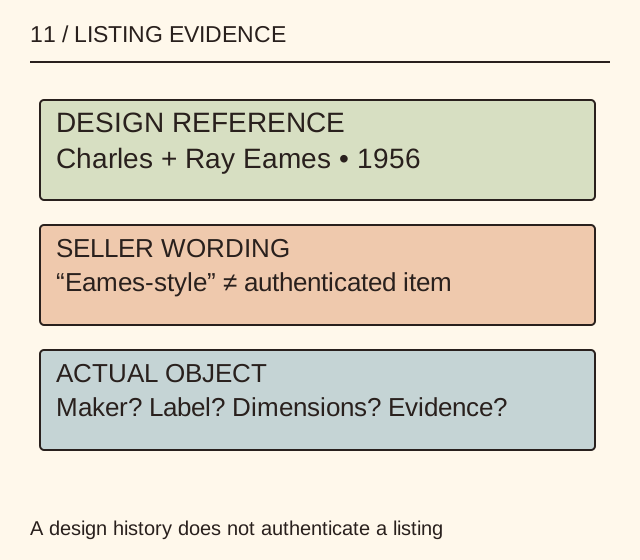
Spaces
Keep the named design, actual manufacturer, dimensions and evidence in separate fields.
Read the guide ↗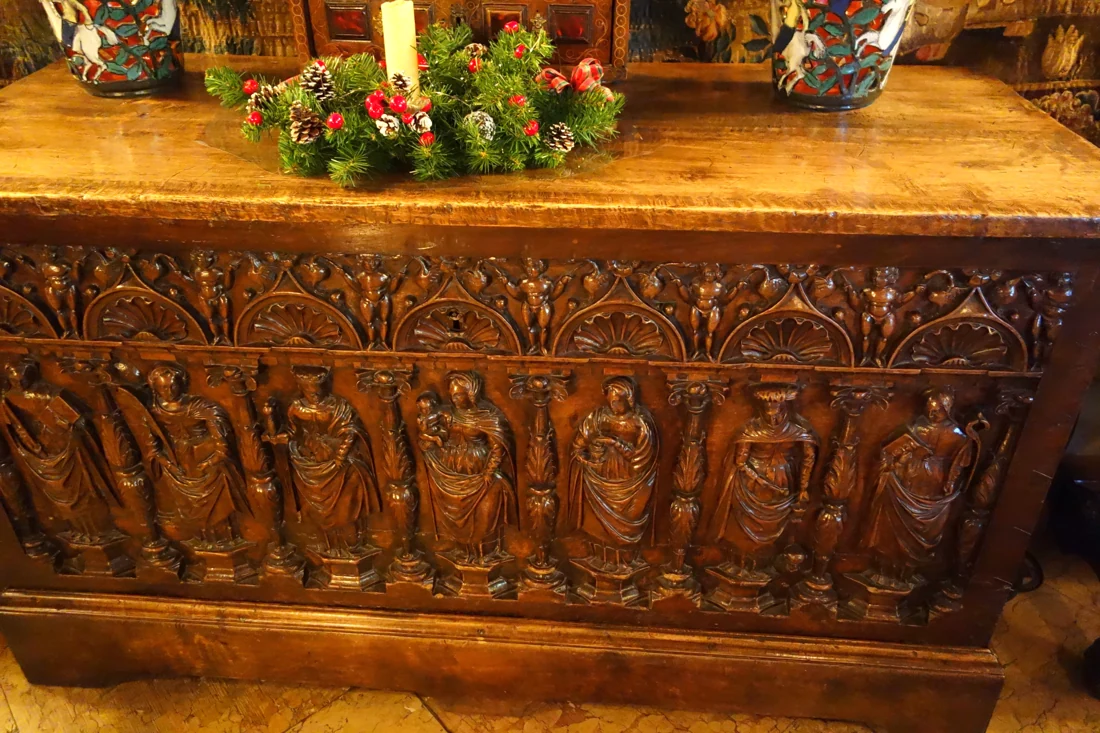
Spaces
Check usable compartments, openings and the space needed to operate the furniture.
Read the guide ↗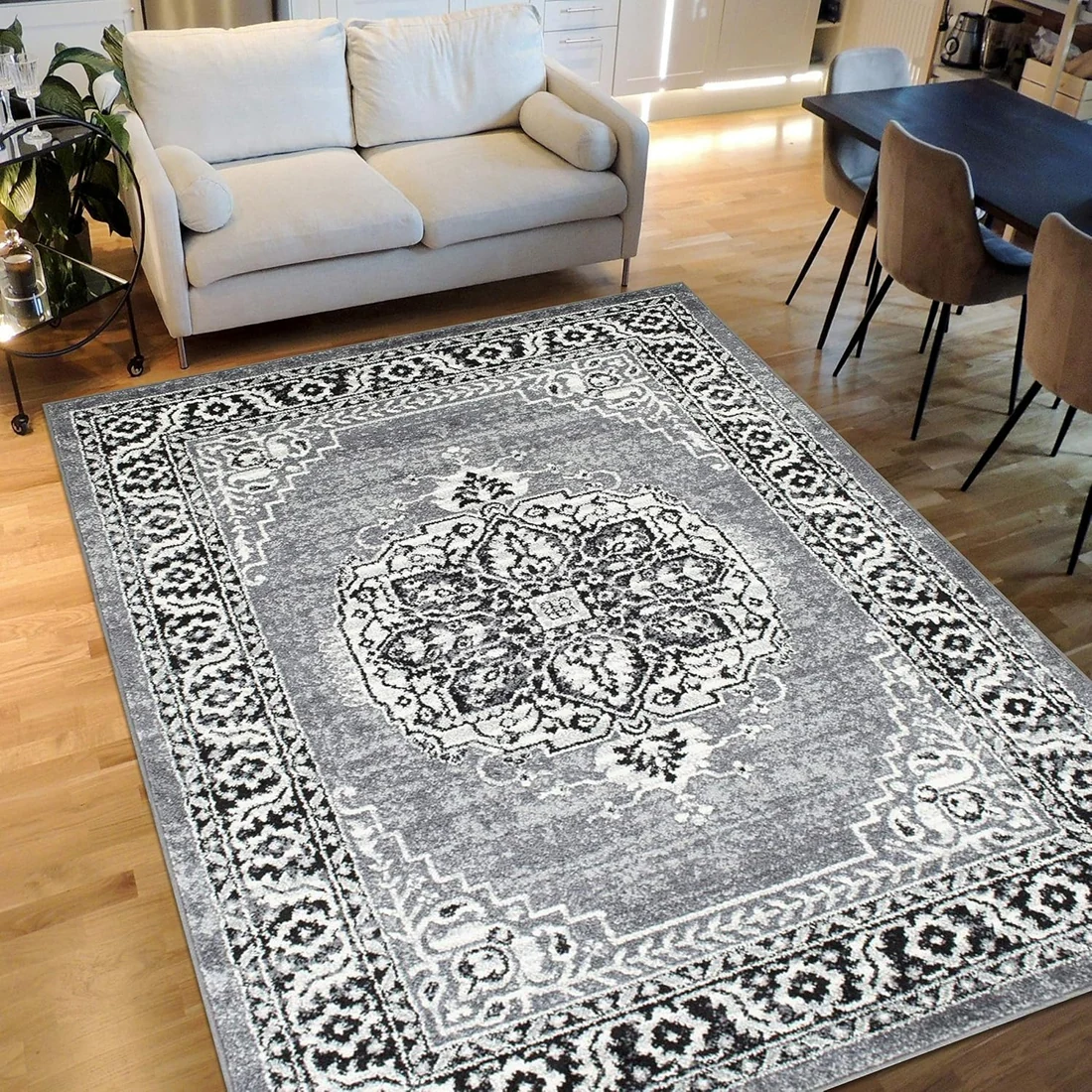
Spaces
Compare the rug footprint with chairs, doors and the routes you actually use.
Read the guide ↗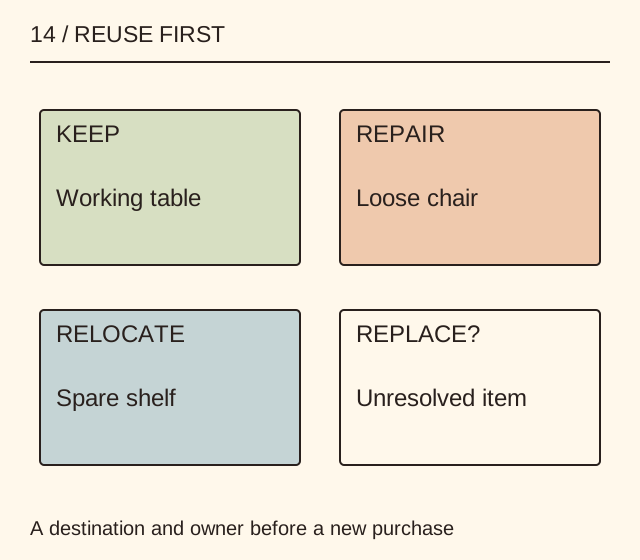
Spaces
Make the keep, repair, relocate and replace decisions visible before ordering more furniture.
Read the guide ↗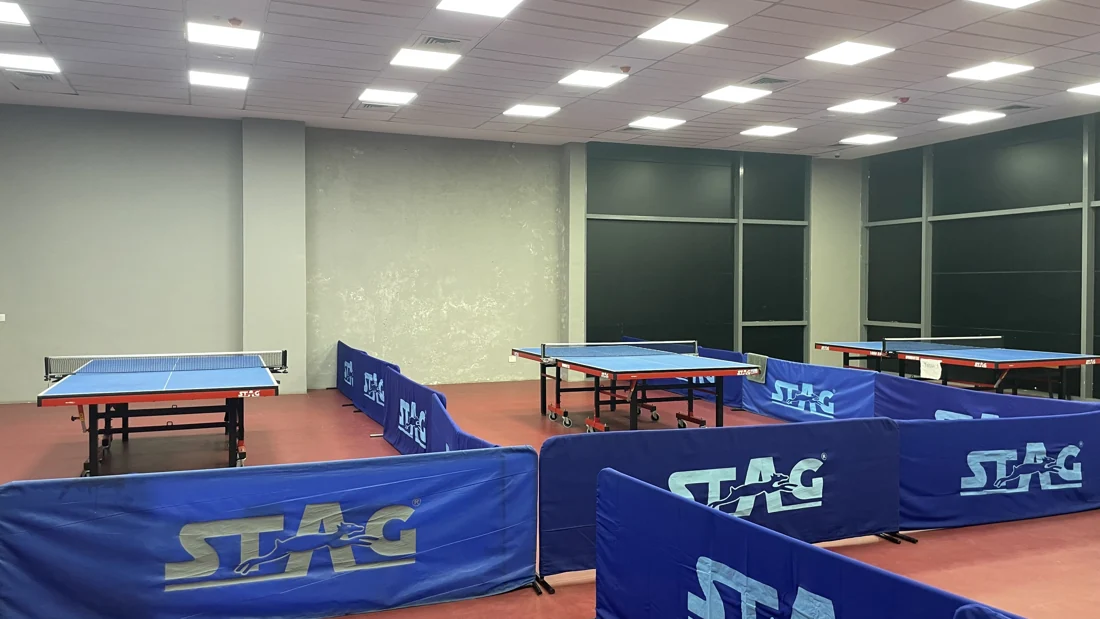
Spaces
A playing-surface measurement is only one part of deciding whether a table fits the space.
Read the guide ↗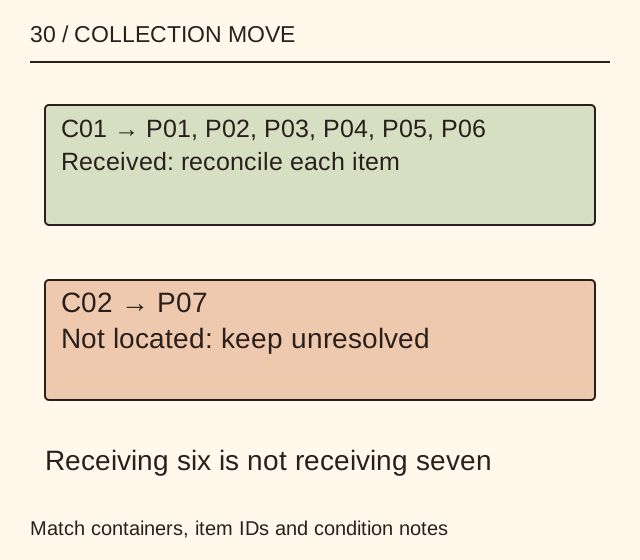
Everyday
Keep identity, packing location and receipt checks connected so missing context does not travel in separate notebooks.
Read the guide ↗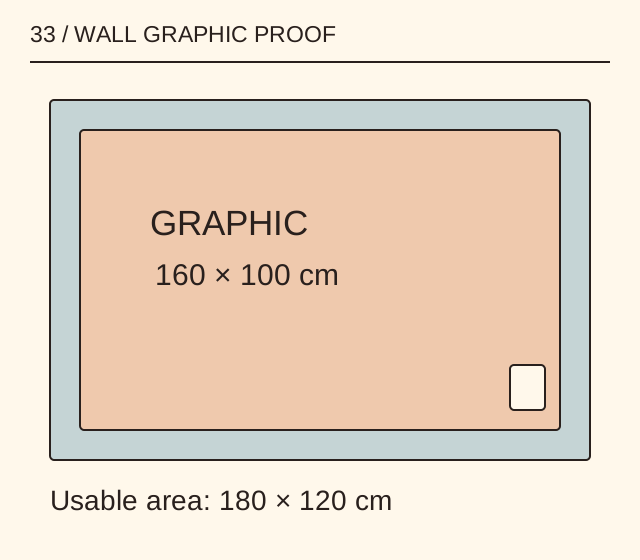
Spaces
Make the wall, sample and final crop part of the brief before approving a large print.
Read the guide ↗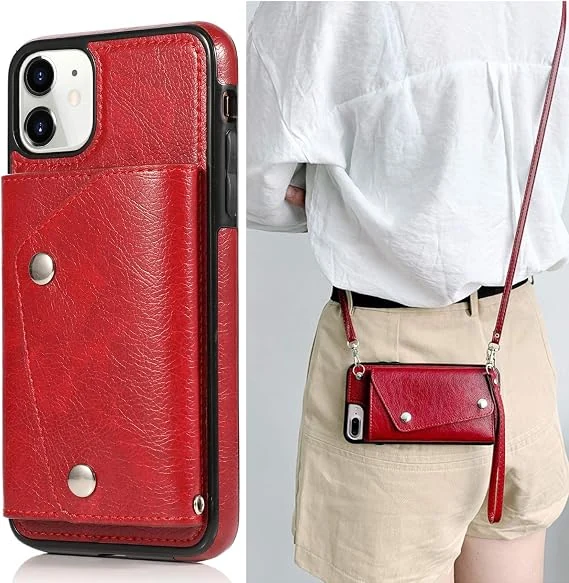
Everyday
Compare the exact phone model, case openings, card load and everyday access.
Read the guide ↗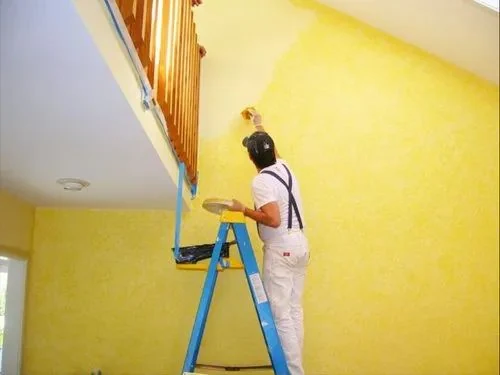
Spaces
Separate surface preparation, finish, protection and handover instead of comparing one unexplained total.
Read the guide ↗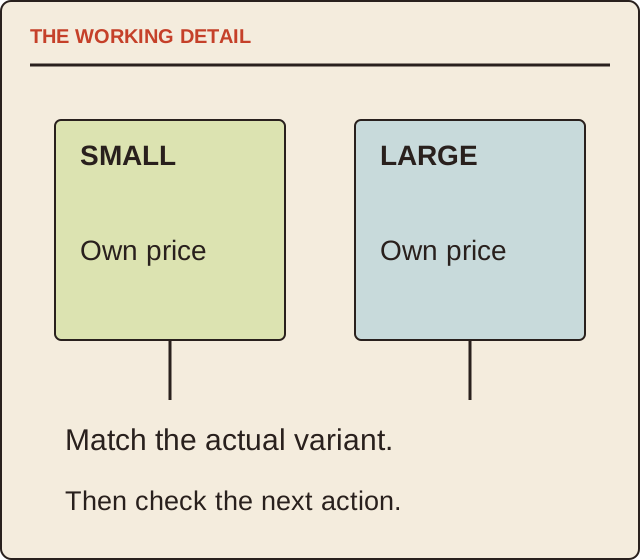
Work
Connect the object, truthful information and route to the next useful action.
Read the guide ↗
Everyday
Compare identifiable samples and your observations instead of relying on a luxury label.
Read the guide ↗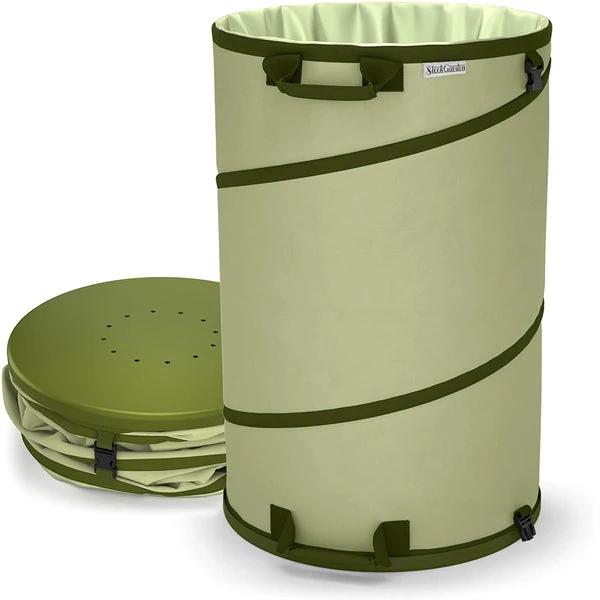
Spaces
Capacity matters only if the container fits the task and can be emptied as intended.
Read the guide ↗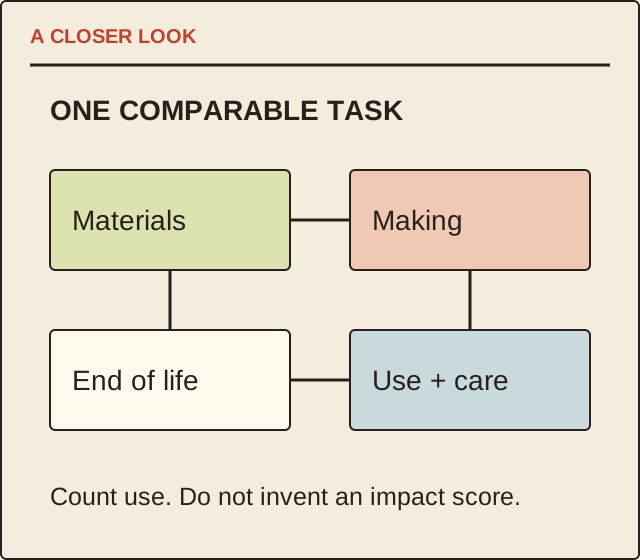
Everyday
Define the job, count actual use and include care before repeating an environmental claim.
Read the guide ↗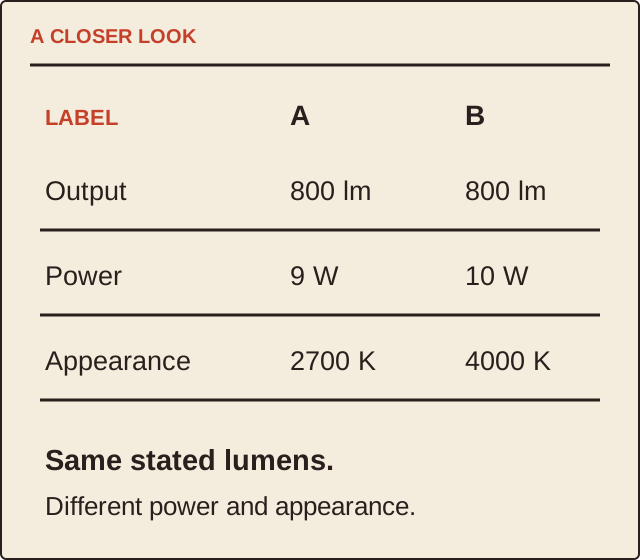
Spaces
Compare separate properties instead of treating a wattage or a colour name as the whole specification.
Read the guide ↗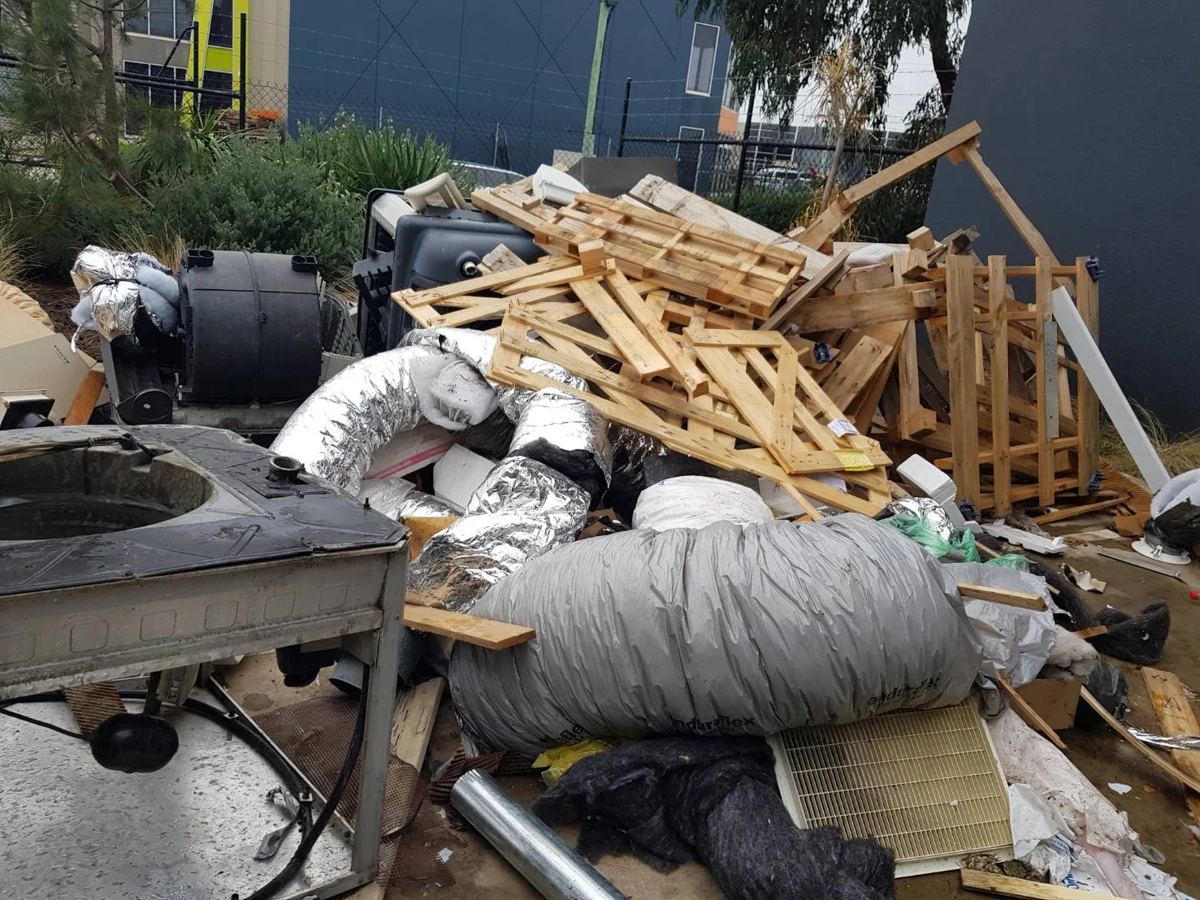
Spaces
Give a collector an item list, access details and unanswered material questions before comparing quotes.
Read the guide ↗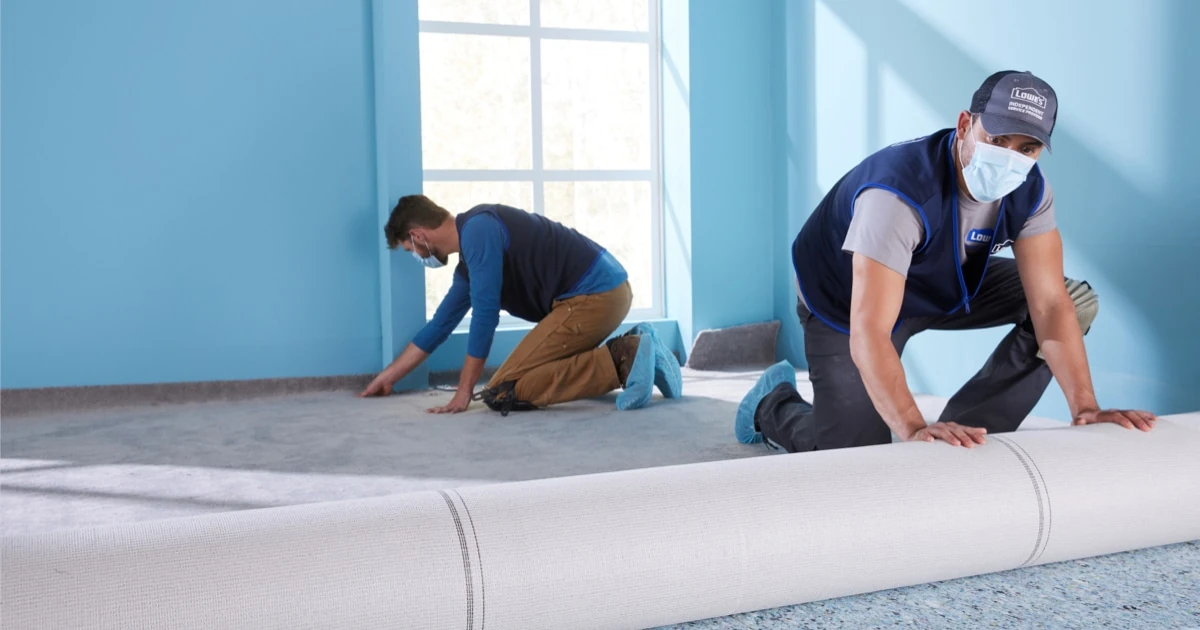
Spaces
Separate room area from the material that must actually be ordered.
Read the guide ↗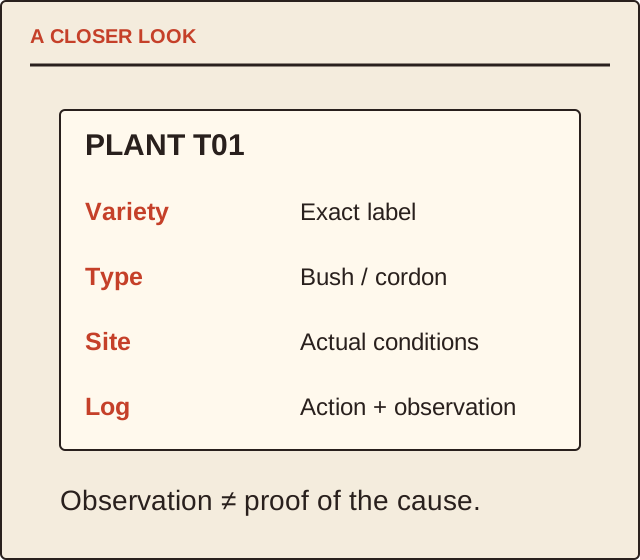
Everyday
Choose the right care questions before changing the soil or copying a calendar.
Read the guide ↗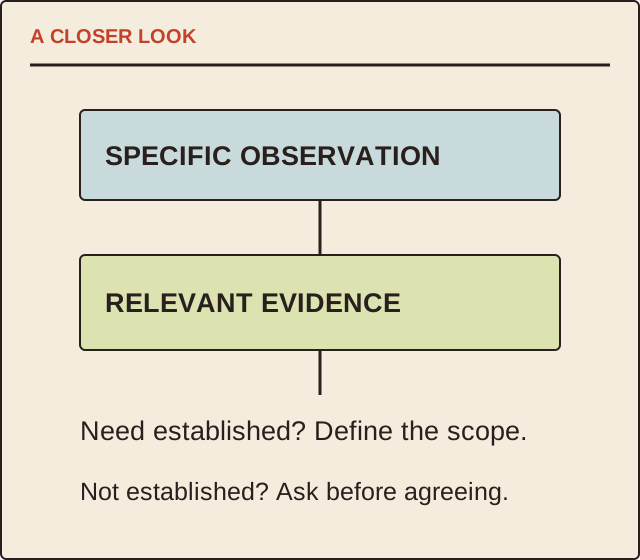
Spaces
Keep routine equipment care, a suspected duct problem and a sales claim separate.
Read the guide ↗Five routes through the latest practical guides. Each one includes worked records and blank worksheets.