
Everyday
Order flowers with a delivery brief that closes the gaps
Confirm the recipient, time window, substitution choices and handover conditions with the actual florist.
Read the guide ↗Practical routes
Useful event records, access questions and small learning exercises with observable next steps.
Complete examples, a blank record to keep and a drawing that explains the decision.
A tea table, adult class and interpreted discussion have different participants and requirements. Confirm the actual audience.
Name the recipient, quantity, time window and responsible role. A good-looking setup is not a reconciled rental return.
Keep planned arrangements separate from a first-session observation or practice result. Do not invent successful outcomes before the event.
Everyday
Confirm the recipient, time window, substitution choices and handover conditions with the actual florist.
Read the guide ↗
Everyday
Count recipients, packs, labels and distribution separately so a small gift does not become a last-minute packing problem.
Read the guide ↗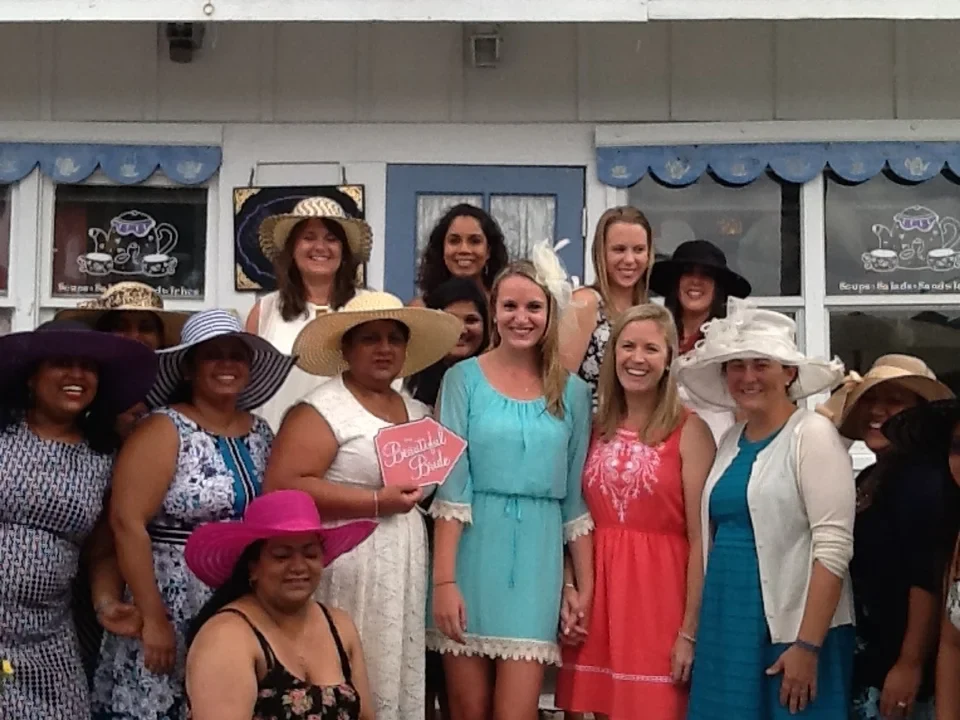
Everyday
Build the invitation, seating, serving sequence and borrowed-item return into one manageable plan.
Read the guide ↗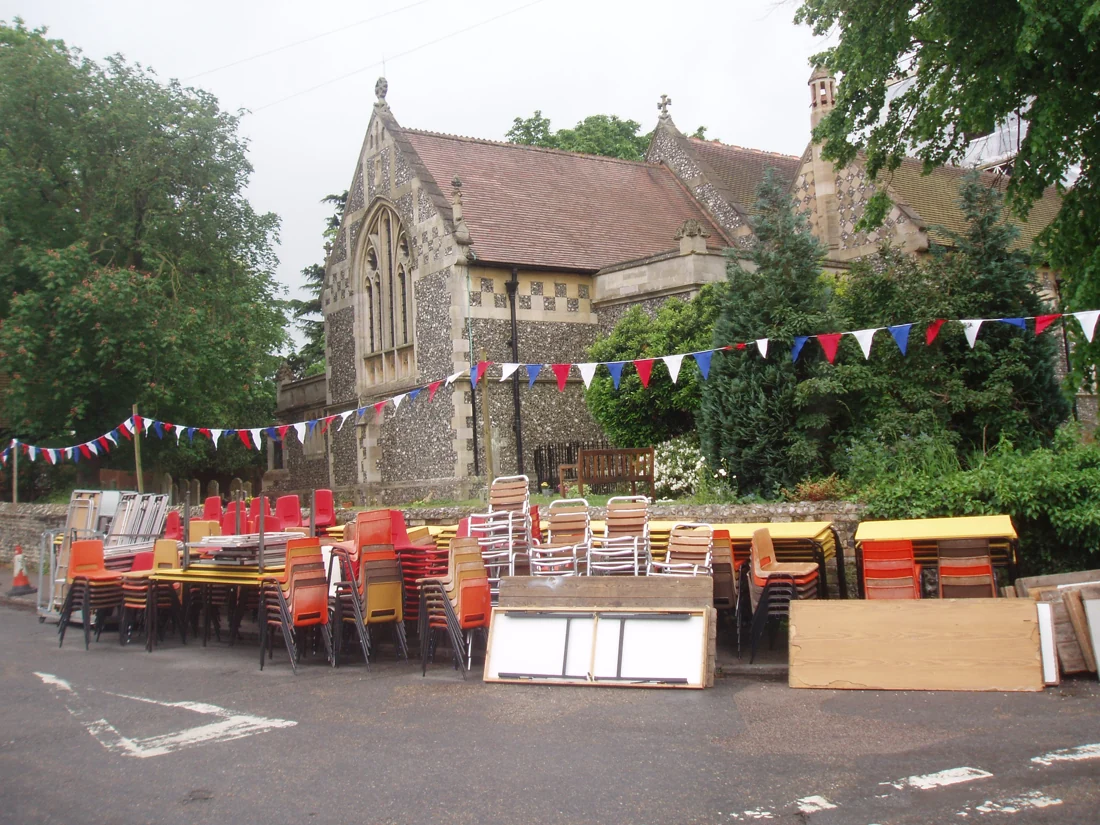
Work
Link the delivery count, setup location, collection window and final return so hired pieces remain traceable.
Read the guide ↗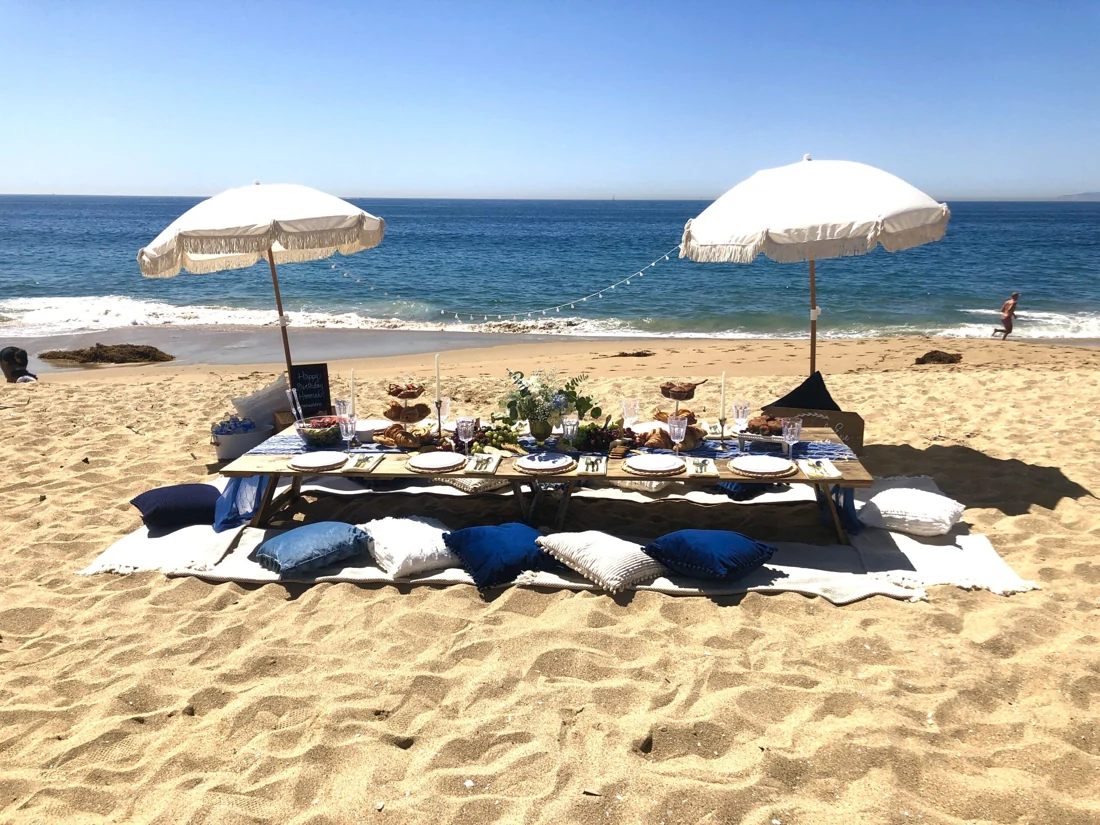
Everyday
Make the carrying plan and safe food arrangements before choosing decorative extras.
Read the guide ↗
Everyday
Ask about level, format, access and expectations, then record a real first-session observation.
Read the guide ↗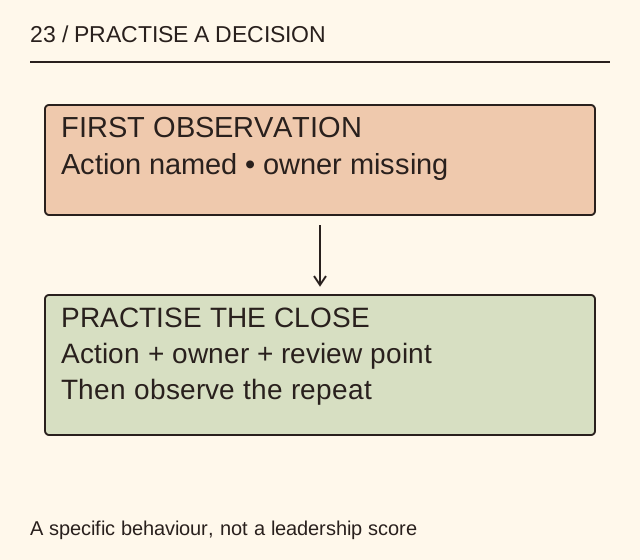
Work
Choose one action, a short scenario and an evidence-based debrief instead of promising a complete leadership transformation.
Read the guide ↗
Work
Ask which language and access arrangements participants need, then plan the interpreter’s information and sightlines.
Read the guide ↗
Everyday
Write the actual amounts and method beside your observation before deciding what to change in the next cup.
Read the guide ↗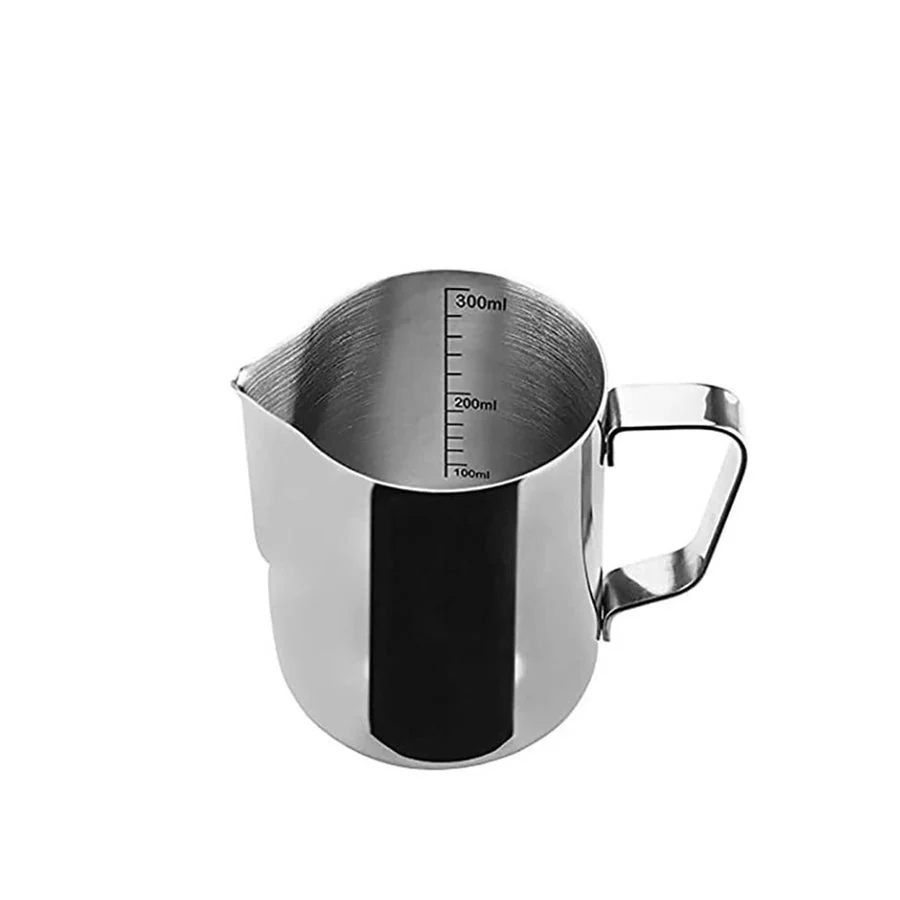
Everyday
Keep nominal capacity, usable fill instructions and physical fit as separate product questions.
Read the guide ↗
Work
Verify the title, author and edition, then turn one chapter into a question you can investigate.
Read the guide ↗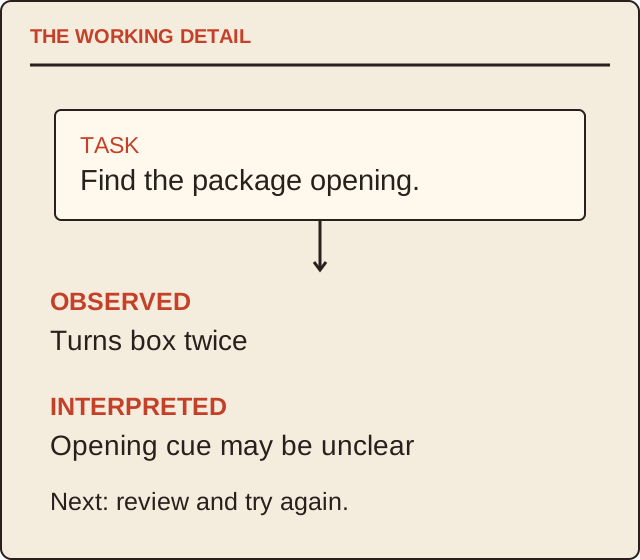
Work
Give visitors a clear task and record observations without turning every interaction into a sales claim.
Read the guide ↗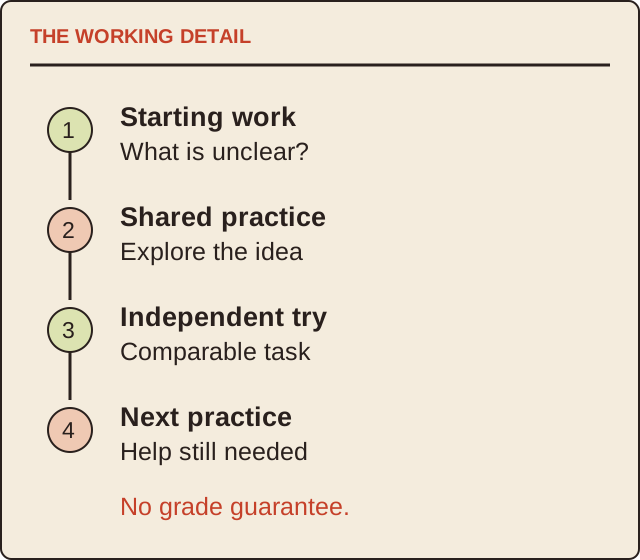
Everyday
Bring a small piece of work, agree a practice task and review the explanation rather than a promised grade.
Read the guide ↗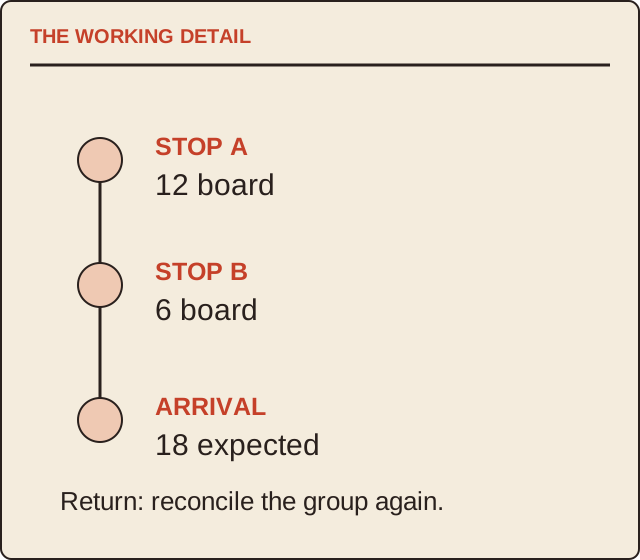
Everyday
Agree the route, passenger needs and handovers before comparing vehicles.
Read the guide ↗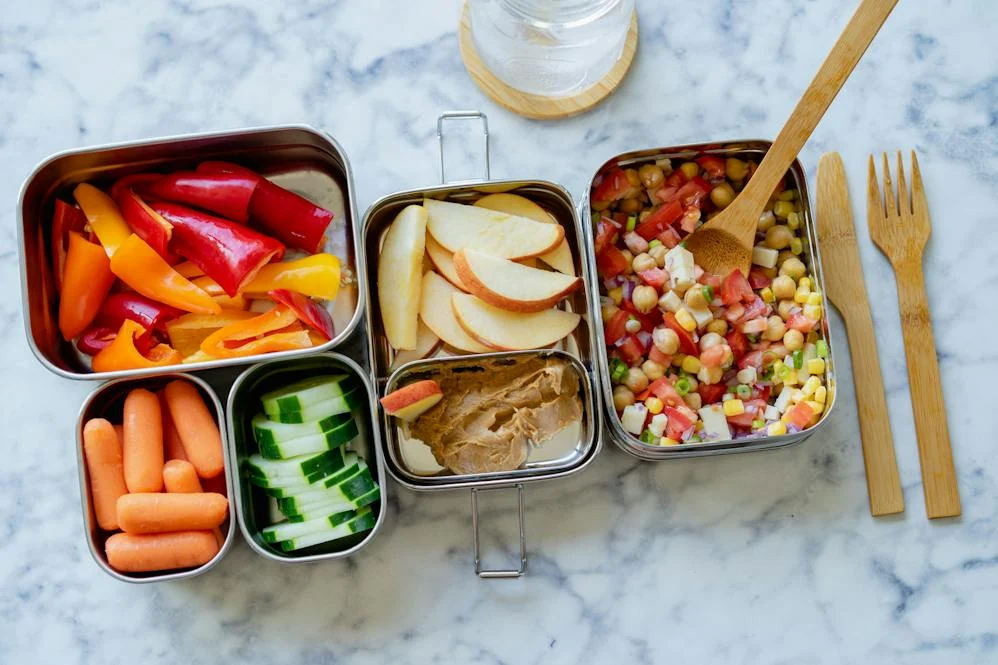
Everyday
Check the actual opening times, ingredients and backup options for each travel leg.
Read the guide ↗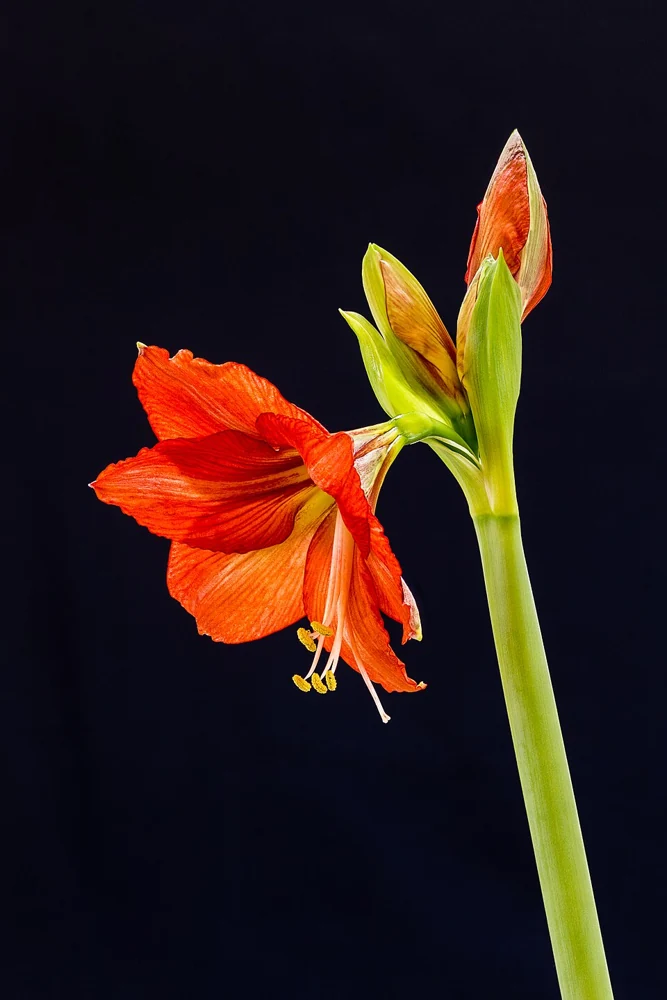
Spaces
Connect the plant list to the room plan, supplier instructions and collection record.
Read the guide ↗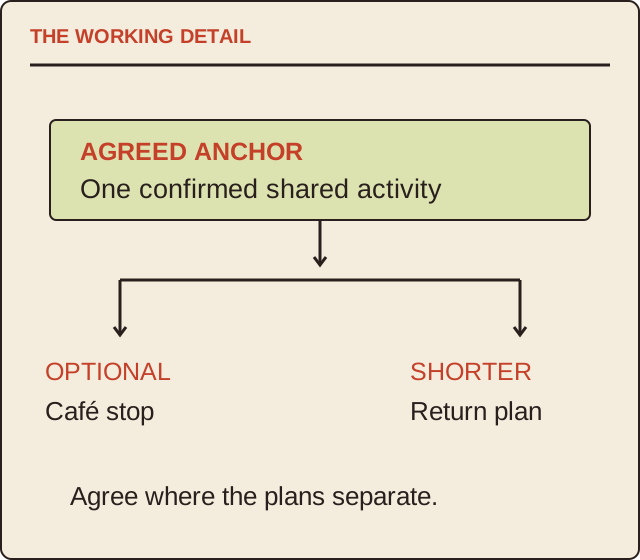
Everyday
Choose a workable shared day instead of a list of attractions nobody has agreed to visit.
Read the guide ↗
Everyday
Verify the whole visit: sleeping area, paths, facilities and the journey there.
Read the guide ↗
Everyday
Choose the actual game and learning route before buying a pile of cards.
Read the guide ↗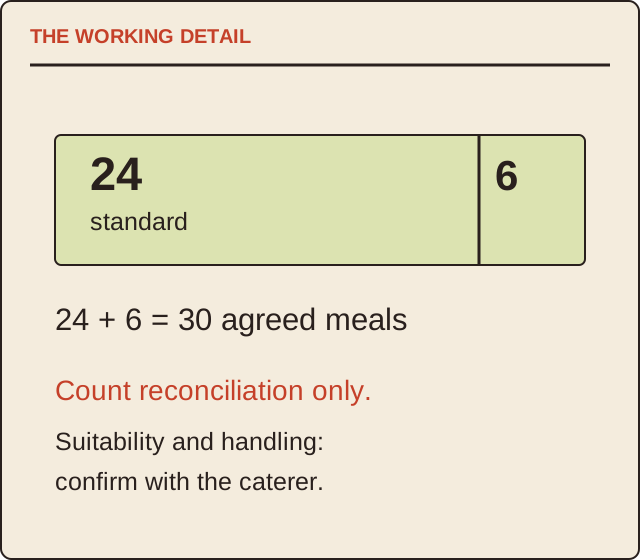
Everyday
Make the menu, guest needs and service handover clear before comparing proposals.
Read the guide ↗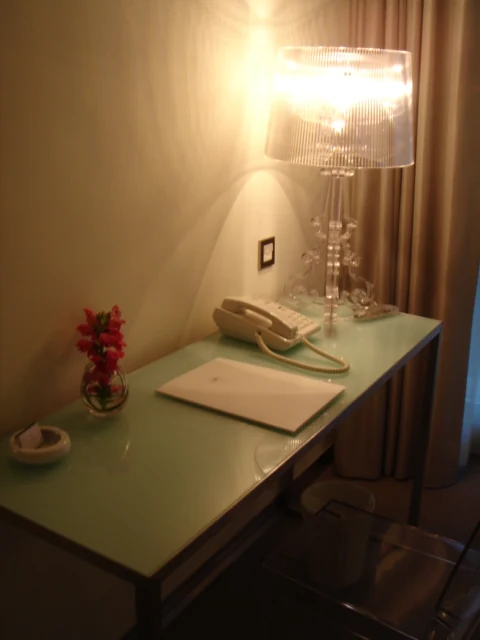
Everyday
Check arrival, sleeping arrangements, work needs and departure with the property.
Read the guide ↗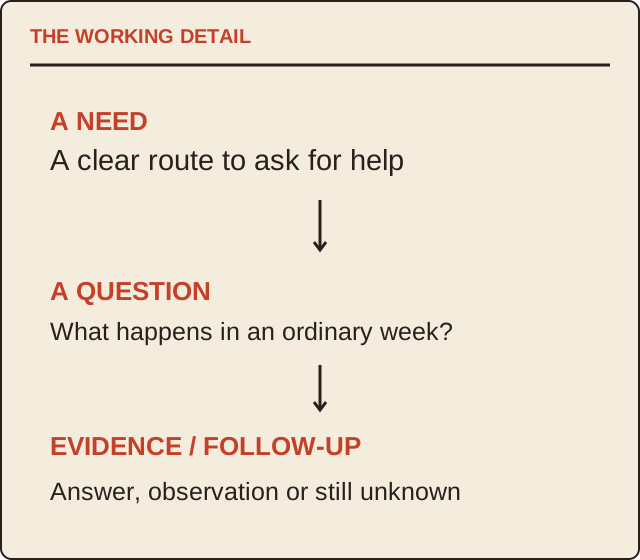
Everyday
Compare the actual needs, school information and visit observations without inventing a ranking.
Read the guide ↗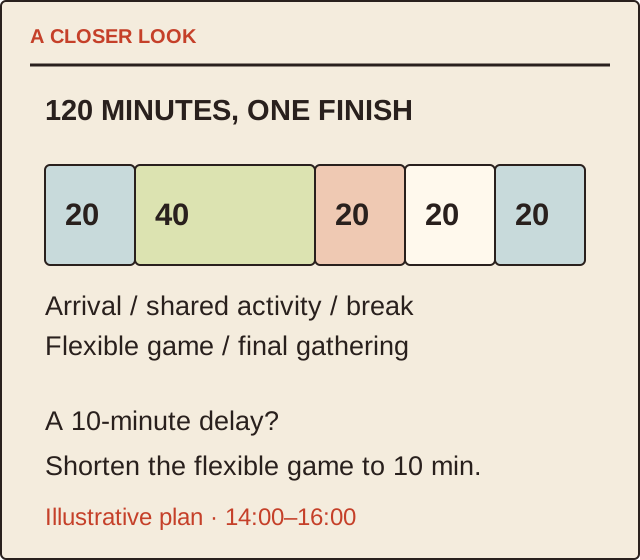
Everyday
Protect the shared highlight, leave time to change activities and give one person the current plan.
Read the guide ↗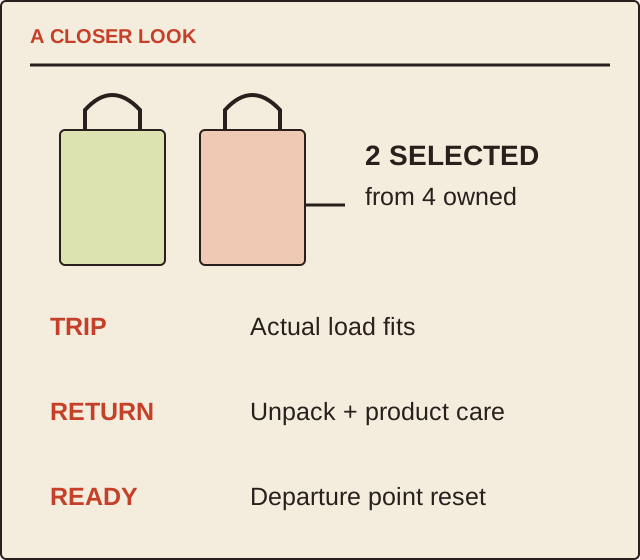
Everyday
Check what you already own, how the load fits and how the bags return to the next trip.
Read the guide ↗
Everyday
Put usable hours, included activities and total commitment beside the monthly headline price.
Read the guide ↗
Everyday
Connect conditions, capabilities, equipment and a shared trip plan before setting out.
Read the guide ↗Five routes through the latest practical guides. Each one includes worked records and blank worksheets.