A useful way through
- Ask each traveller for one priority, a constraint and something they would prefer to skip. Keep health or access details private and share only what the organiser needs. Do not interpret a different preference as a lack of interest in spending time together.
- Choose an anchor activity and check its current opening, booking and access information with the operator. Add the actual journey to and from it. A photograph or an older travel article does not establish that the activity is open or suitable for your group today.
- Build the day backwards from the required return time. Include realistic meal, rest and transfer allowances, keeping uncertain durations marked for confirmation. Choose a lower-effort alternative if conditions or the group’s needs change; do not fill every spare minute.
- Share a short version that names the meeting points, confirmed booking, payment responsibilities and change contact. Ask travellers to check their own essential details. After the trip, record what you would alter next time without inventing a universally perfect family itinerary.
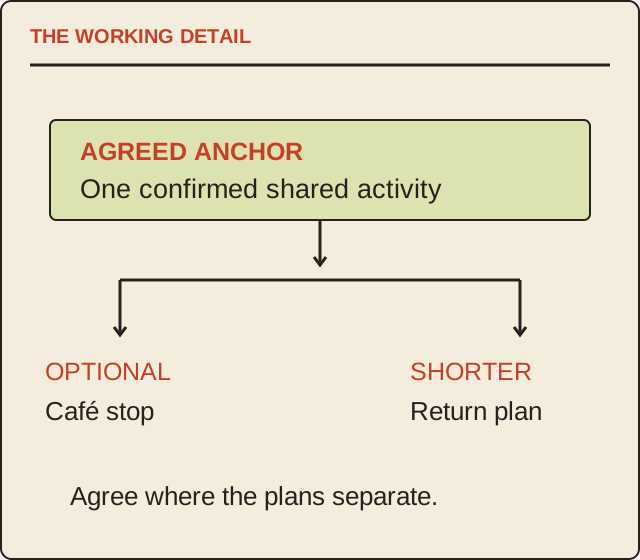
Read the map as text
THE WORKING DETAIL · AGREED ANCHOR · One confirmed shared activity · OPTIONAL · Café stop · SHORTER · Return plan · Agree where the plans separate.
- Priority
- Constraints
- Flex
- Day sheet
Put it into practice
A fictional group agrees on a museum visit as its anchor. One traveller prefers a café afterwards and another wants a shorter day. The plan includes a shared visit and an optional café stop with a clear independent return arrangement. It does not assume that every family member must choose every activity or that an old hotel recommendation is a current offer.
Illustrative example, not a reported client project or test.
Your take-away checklist
Build a family day-trip plan with room for different preferences
- □ Priority: ____________________
- □ Constraints: ____________________
- □ Flex: ____________________
- □ Day sheet: ____________________
Before you act
Check current operators, transport and local conditions. This is a planning example, not a booking, route guarantee or personal travel report.
A worked record
Use the example to see the decisions, then download a blank record for your own task.
- Priority
- One anchor activityCheck actual operator information
- Constraints
- Return time and accessConfirm privately as needed
- Flex
- Optional café / shorter routeAgree the handover
- Day sheet
- Meeting points and bookingShare one current revision
A useful timing calculation
If a confirmed activity ends at 15:00 and the return departure is at 16:00, that leaves 60 minutes for the intervening tasks. List those tasks before calling the hour free time. The example does not predict a real journey duration.
Keep the older story in its place
The source article used a first-person family story. It is not MichaelT editorial’s reported family experience. The new plan takes the practical question—agreeing a trip—and gives you a repeatable method without adopting that biography.
Sources & context
The earlier topic was published 2021-03-04 under the Maria Baldwin byline. The present procedure, examples and diagrams are new work by MichaelT editorial; they do not attribute a new test or professional assessment to the earlier author.