A useful way through
- Choose the question the demonstration should answer. Specify the actual object or prototype, the intended audience and what people may try. Keep safety, access and any venue approval with the responsible organiser; an engaging concept is not permission to run it anywhere.
- Write a short neutral task and identify the materials needed. Decide how a host will explain the activity without giving away every answer. Keep participation optional and make it clear which features are real, simulated or still proposed.
- Prepare an observation sheet that separates what someone did, what they said and your interpretation. Avoid collecting names or contact details unless there is a justified, explained and authorised purpose. A separate enquiry route is clearer than making feedback conditional on marketing consent.
- After the session, group repeated questions and document the changes they suggest. Report the number of observed sessions and limitations if you have real records. Do not relabel a conversation, a smile or a trial as a purchase or a measured increase in loyalty.
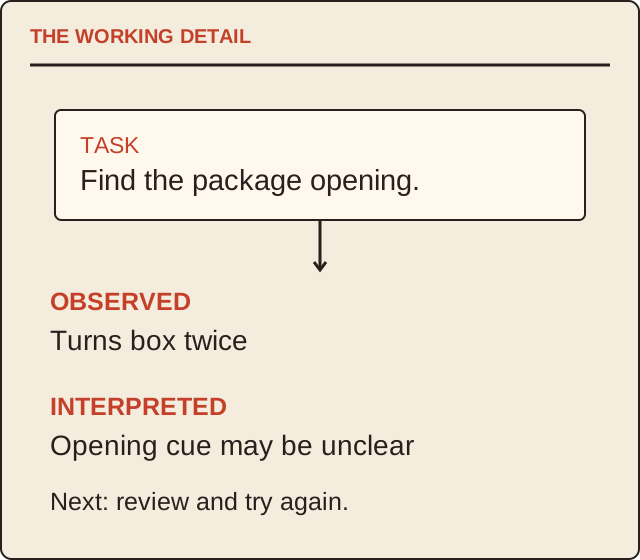
Read the map as text
THE WORKING DETAIL · TASK · Find the package opening. · OBSERVED · Turns box twice · INTERPRETED · Opening cue may be unclear · Next: review and try again.
- Question
- Observation
- Comment
- Next change
Put it into practice
A fictional packaging demonstration asks a visitor to find the opening and the enclosed care card. The observer notes that the visitor turns the box twice before finding the tab. The useful next action is to review the opening cue. It is not evidence that the visitor dislikes the brand or that changing the cue will raise sales.
Illustrative example, not a reported client project or test.
Your take-away checklist
Plan a product demonstration you can learn from
- □ Question: ____________________
- □ Observation: ____________________
- □ Comment: ____________________
- □ Next change: ____________________
Before you act
This is a planning method, not a reported research study, sales forecast or approval for a public demonstration.
A worked record
Use the example to see the decisions, then download a blank record for your own task.
- Question
- Can the opening be found?One task, not a sales pitch
- Observation
- Two turns before openingRecord behaviour separately
- Comment
- Visitor’s own wordsNo invented quotation
- Next change
- Review the opening cueTest the revised sample
A three-column observation record
Write action observed, words heard and interpretation in separate columns. Add the prototype version and circumstances. If the host prompted the participant, record that too; it changes what an apparently easy completion tells you.
What to share afterwards
A short summary can name the question, method, observed issues and next iteration. Keep any identifiable image or quotation within the actual permission granted. Evidence of learning from a demonstration is useful without an unsupported claim about conversion.
Sources & context
The earlier topic was published 2022-03-16 under the Maria Baldwin byline. The present procedure, examples and diagrams are new work by MichaelT editorial; they do not attribute a new test or professional assessment to the earlier author.