A useful way through
- List the devices, applications, locations and working hours the proposed service should cover. Identify the contact who may authorise work. Keep your actual operating needs separate from a provider’s general list of technical certifications.
- Ask how an issue is reported, prioritised and acknowledged. Define what response means and which clock applies. A four-hour response commitment is not automatically a four-hour repair promise; ask what restoration and resolution commitments, if any, are separately offered.
- Confirm the access and escalation process with the responsible technical owner. Ask how remote sessions are approved, changes recorded and sensitive information handled. Do not give out passwords or grant unattended access merely to compare a sales proposal.
- Walk through a hypothetical incident and a normal closure. Who updates the user, who owns an unresolved dependency and what evidence shows that the agreed task is working again? Keep exclusions, extra charges and exit arrangements visible in the comparison.
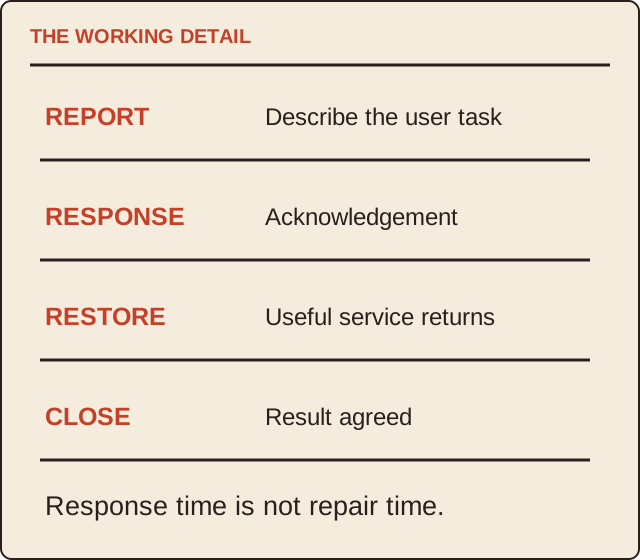
Read the map as text
THE WORKING DETAIL · REPORT · Describe the user task · RESPONSE · Acknowledgement · RESTORE · Useful service returns · CLOSE · Result agreed · Response time is not repair time.
- Report
- Response
- Dependency
- Closure
Put it into practice
A fictional support request concerns a printer unavailable to three colleagues. The provider acknowledges the report within its response window, but a replacement part is needed. The ticket remains open with an owner and next update time. An acknowledgement is recorded as an acknowledgement, not a completed repair or a demonstrated return to service.
Illustrative example, not a reported client project or test.
Your take-away checklist
Compare IT support by the handover from report to resolution
- □ Report: ____________________
- □ Response: ____________________
- □ Dependency: ____________________
- □ Closure: ____________________
Before you act
No support provider is endorsed or given access here. Actual permissions and security decisions remain with the responsible owner.
A worked record
Use the example to see the decisions, then download a blank record for your own task.
- Report
- Named channel and coverageWho can authorise work?
- Response
- Acknowledgement clockNot automatically repair time
- Dependency
- Part or third partyOwner and update time
- Closure
- User task demonstratedRecord actual result
A quote-comparison question
“Please show how this example would move through your service, including business hours, priority, remote access approval, updates and any extra charge.” The answer is easier to compare than “fast support” or an unexplained SLA acronym.
After the provider changes
Retain the device and service inventory, open issues and authorised access record with the appropriate owner. Arrange the exit through your organisation’s procedures. This page does not prescribe an account-security configuration or authorise access changes.
Sources & context
The earlier topic was published 2021-07-05 under the Maria Baldwin byline. The present procedure, examples and diagrams are new work by MichaelT editorial; they do not attribute a new test or professional assessment to the earlier author.